Your Sketchbook Is Your Evidence: Building a Design Portfolio for RPL
By Delight Technical College | School of Tailoring, Fashion & Design- RPL | 2026
If you are a self-taught designer, your sketchbook may be the most valuable document you own. It shows the way your ideas started, how they changed and where they ended up. For Recognition of Prior Learning (RPL) in the unit Fashion Design and Sketching, that story is exactly what assessors want to see. A thoughtful design portfolio is not about perfection. It is about showing a clear, honest line from idea to garment.
📖 The Design Story
For each design you include, try to show the whole journey:
- Inspiration- a mood board, photograph, fabric, tradition or idea that started the design
- Early sketches- rough ideas that show how your thinking developed
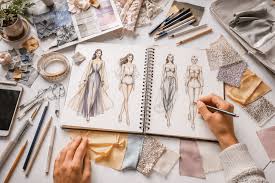
- Final design- a clean sketch showing the garment on a figure, with colour
- Flat drawing- a technical sketch showing seams, darts and details
- Finished garment- a photograph of the garment that was made
- Reflection- two or three sentences about what worked and what you would change
🧱 How Many Designs Do You Need?
Quality matters more than quantity. Five to eight well-presented designs, each with its story, are usually stronger than thirty loose sketches. Choose designs that show range, such as different garment types, occasions or techniques.
📸 Presenting Your Work Well
- Photograph or scan sketches in good light, without shadows or distortion
- Keep pages in order, with each design clearly labelled
- Add a date and a short caption to each page
- Keep the original sketchbook safe in case the assessor asks to see it
✍️ Showing That the Work Is Yours
Assessors need to trust that your portfolio is genuine. You can strengthen it by:
- Including dated sketches or photographs of designs in progress
- Providing a statement from someone who has seen you design, such as a client, trainer or employer
- Being ready to sketch a simple design on the spot if asked
- Explaining your choices confidently when questioned
🎓 Where This Fits in the Delight Learning Guide
Unit 10: Fashion Design and Sketching
- Module III | Level 5 (Craft) | Term Three
⚠️ Common Mistakes
- Submitting images copied from magazines or the internet
- Including drawings with no explanation or dates
- Showing only finished pieces and hiding the thinking behind them
- Leaving out the garments that were actually made
💬 A Final Tip
If you have no sketchbook because you work directly with fabric, say so. Some designers drape or pin fabric on a model or mannequin. Photographs of that process, along with the finished garment and a clear explanation, are valid evidence of design thinking.
✏️ If Your Sketches Are Not Polished
Neat, elaborate drawings are not the aim. Clear communication is. A simple, well-labelled flat sketch that a tailor could follow is worth more than a beautiful but confusing illustration. Practise basic proportions, label colours and fabrics beside each design, and add short notes about key details. If your drawing style is simple, say so, and let the thinking and the finished garments show your ability.
“A sketchbook is more than drawings. It is a record of how you think and thinking is what makes a designer.”
💡 Need help shaping your design portfolio? Call Delight Technical College on +254 722 533 771 or visit Muindi Mbingu Street, Nairobi.
📍 Delight Technical College | Muindi Mbingu Street, Opposite Jevanjee Gardens, Nairobi | +254 722 533 771 | www.delight.ac.ke