
Self-Taught Designers: How RPL Recognises Fashion Design and Sketching Skills
By Delight Technical College | School of Tailoring, Fashion & Design- RPL | 2026
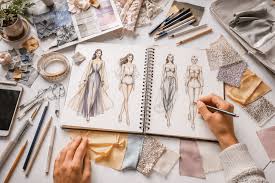
Some of the most original designers never studied design formally. They learned by sketching on the back of exercise books, copying garments from magazines, experimenting with scraps and gradually developing a style of their own. The unit Fashion Design and Sketching recognises the ability to turn ideas into clear designs, and Recognition of Prior Learning (RPL) lets self-taught designers have that ability assessed and certified.
✏️ What the Unit Covers
Fashion Design and Sketching is about developing an idea and communicating it on paper. Competence typically includes:
- Drawing the fashion figure with sensible proportions
- Sketching garments on the figure, showing shape, fit and details
- Drawing flat technical sketches that show construction lines clearly
- Using colour, texture and pattern to bring a design to life
- Developing ideas from inspiration, such as mood boards, culture, nature or trends
- Creating a small collection of related designs
- Explaining a design clearly so that a pattern maker or tailor can make it
🎓 Where This Unit Sits in the Delight Learning Guide
Unit 10: Fashion Design and Sketching
- Module III | Level 5 (Craft) | Term Three
- Links naturally with Unit 11: Pattern Construction and Grading Principles, where designs are turned into patterns
🌟 Who Is a Good Candidate?
- A tailor who designs the garments they make, rather than only copying
- A boutique owner who sketches ideas before production
- A self-taught artist who has moved into fashion
- A designer who has produced small collections for fashion events, school fairs or community shows
🧠 Originality Matters
In design, assessors care about more than neat drawing. They look for:
- Evidence that the ideas are genuinely yours
- A clear thinking process, from inspiration to final design
- Awareness of who the garment is for, including age, occasion and budget
- Realistic designs that could actually be made
It is perfectly acceptable to draw inspiration from other sources, including African prints, traditional dress, architecture or nature. It is not acceptable to submit someone else’s designs as your own.
🗂️ Evidence Worth Gathering
- Sketchbooks and loose drawings, with dates where possible
- Flat sketches or technical drawings that someone else could follow
- Mood boards or inspiration pages
- Photographs of finished garments made from your designs
- Programmes, photographs or statements from fashion shows or events where your designs were shown
🚀 Where to Start
- Gather everything you have drawn in the last two to three years
- Choose pieces that show variety and growth
- Pair each finished garment with the sketch it came from
- Speak to an RPL adviser about how to present your design work
🧩 Linking Design to Making
A good design is one that can actually be made. Assessors like to see that your ideas take account of fabric, construction and cost. For example, you might choose a fabric with enough drape for a gathered skirt, or simplify a detail to keep a garment within a client’s budget. Explaining those decisions shows that you are a designer who understands production, not only someone who draws attractive pictures.
“A designer is someone who sees a garment before it exists. If you have been doing that for years, you deserve credit for it.”
💡 Designing without a certificate? Ask Delight Technical College about RPL for Fashion Design and Sketching. Call +254 722 533 771 or visit Muindi Mbingu Street, Nairobi.
📍 Delight Technical College | Muindi Mbingu Street, Opposite Jevanjee Gardens, Nairobi | +254 722 533 771 | www.delight.ac.ke