Safety, Comfort and Sizing: How RPL Recognises Children’s Wear Makers
By Delight Technical College | School of Tailoring, Fashion & Design- RPL | 2026
Children are the most honest customers a tailor will ever have. They grow quickly, wriggle constantly, dislike scratchy fabric and will pull every button within reach. Making clothes for them requires a different mindset from making adult garments. The unit Children’s Wear recognises this specialised skill, and Recognition of Prior Learning (RPL) allows tailors who have been making children’s clothing for years to have their expertise assessed and certified.
🧒 What Children’s Wear Covers
A competent children’s wear maker understands:
- How children’s bodies differ from adults’, including proportions, posture and growth
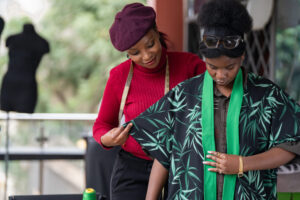
- How to take measurements from children who will not stand still
- How to size garments by age, height and body measurements
- How to choose soft, breathable, durable and washable fabrics
- How to design garments that are easy to put on and take off
- How to allow room for movement and growth
- How to finish seams so that they do not scratch or irritate
🛡️ Safety Comes First
Safety is central in children’s clothing. A careful maker thinks about:
- Small buttons, beads or decorations that could come off and be swallowed
- Cords, ties and drawstrings near the neck, which can be a risk for young children
- Secure stitching on any trim or fastening that a child might pull
- Smooth zips and fastenings that will not trap skin
- Fabrics and trims that are safe against sensitive skin
If you take these things into account, you are already working to the standard that matters.
🎓 Where This Unit Sits in the Delight Learning Guide
Unit 12: Children’s Wear
- Module III | Level 5 (Craft) | Term Three
- The final unit of Term Three, which completes the Level 5 (Craft) pathway
📏 Sizing and Growth
Children’s sizes are usually based on age and height, but children of the same age can be very different shapes. Experienced makers handle this by:
- Taking real measurements rather than relying only on age
- Building in extra length, adjustable hems or elastic waists so garments last longer
- Choosing styles with some give, such as stretch fabrics or flexible fastenings
🗂️ Evidence of Children’s Wear Experience
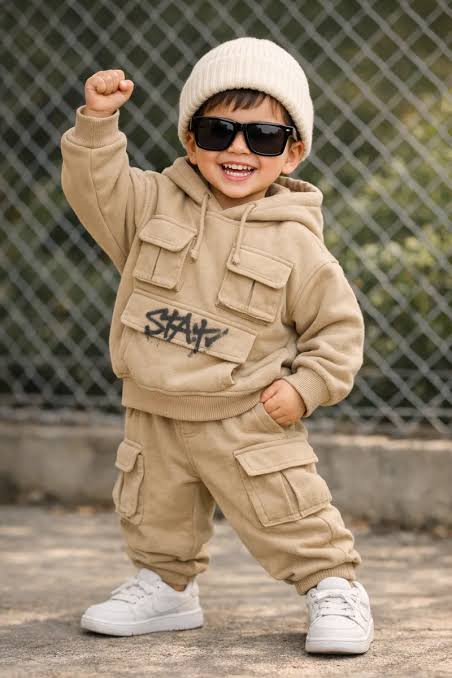
- Photographs of a range of children’s garments, such as dresses, shorts, shirts, baby clothes and special-occasion outfits
- Close-ups of safe finishing, such as secure buttons, soft seams and flat fastenings
- Orders from parents, schools, churches or shops
- Statements from parents or employers who have bought children’s garments from you
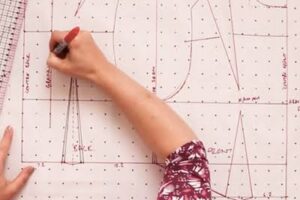
- Measurement charts you use for different ages
🗣️ Questions an Assessor May Ask
- How do you decide which fabrics are suitable for a baby or toddler?
- How do you make sure that decorations will not come off?
- How do you allow for growth without making the garment look too big?
- How do you fit a child who will not stay still?
🧸 Babies, Toddlers and Older Children
Different ages call for different thinking. Babies need very soft fabrics, easy openings for changing and no rough seams or tags. Toddlers need freedom to crawl and climb, with durable knees and secure fastenings. Older children want styles that look good, with details that suit their age and fabrics that survive school and play. Explaining how you adapt your approach for each age group shows depth of understanding.
“A child’s garment must be comfortable, safe and beautiful, and it must survive a playground. Making that happen is real expertise.”
💡 Ask Delight Technical College how your children’s wear experience can be recognised through RPL. Call +254 722 533 771 or visit Muindi Mbingu Street, Nairobi.
📍 Delight Technical College | Muindi Mbingu Street, Opposite Jevanjee Gardens, Nairobi | +254 722 533 771 | www.delight.ac.ke