
Delight Technical College Guide to African Fashion: Heritage, Identity, and Global Influence
African Fashion
Before Africa was photographed, before it was colonized, before it was categorized, it was dressed.
Clothing told stories long before they were written.
Colors spoke before words did.
Beads, fabrics, patterns, and silhouettes carried meaning — status, spirituality, age, community, and power.
African fashion was never accidental.
Today, as African designers walk global runways and African-inspired aesthetics dominate international collections, the world is finally beginning to understand a truth Africans have always known:
African fashion is not a trend. It is a legacy.
This is the story of African fashion — where it comes from, what it represents today, and why education is the bridge between heritage and global success.
The Roots of African Fashion: Clothing as Language
In traditional African societies, clothing was never merely decorative. It was communication.
Every garment answered questions:
- Who are you?
- Where do you come from?
- What stage of life are you in?
- What is your role in the community?
Across the continent, fashion developed organically — shaped by climate, culture, spirituality, and available materials.
Textiles as Identity
Different regions developed distinctive textiles:
- Kente (Ghana) – royalty, leadership, ceremony
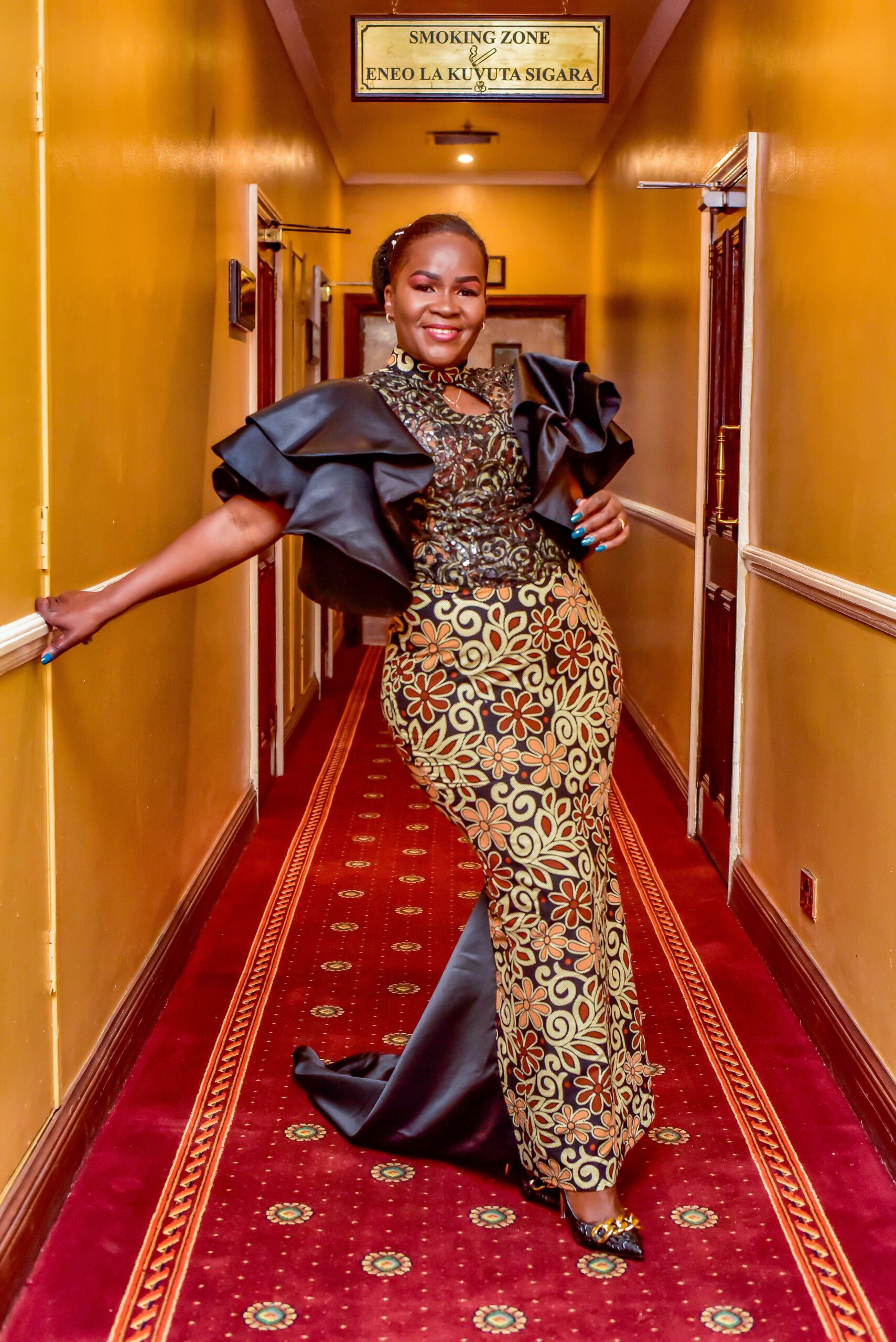
- Ankara / Wax Print – storytelling through pattern
- Kikoy and Kanga (East Africa) – community messages and daily life
- Mudcloth (Mali) – spirituality and symbolism
- Aso Oke (Nigeria) – prestige and celebration
Every fabric carried meaning. Wearing it correctly mattered.
For fashion students today, studying these textiles is not nostalgia — it is foundation. Institutions like Delight School of Fashion & Design emphasize this cultural literacy as essential to authentic African design.
Adornment and Craftsmanship: Beyond Fabric
African fashion extended far beyond garments.
- Beadwork marked rites of passage
- Cowrie shells symbolized wealth and fertility
- Body painting and scarification communicated identity
- Headwraps signified respect and maturity
Fashion was holistic — integrating body, spirit, and society.
This deep relationship between clothing and meaning is what makes African fashion uniquely powerful in the modern global market.
Colonial Disruption and Fashion Adaptation
Colonialism attempted to disrupt African dress systems, imposing Western clothing as “civilized” and labeling African fashion as “primitive.”
But African fashion did not disappear.
It adapted.
Traditional garments blended with:
- Western tailoring
- Missionary silhouettes
- Imported textiles
This period gave rise to hybrid styles — African at the core, modern in form. What emerged was resilience through creativity.
Understanding this evolution is crucial for designers who want to create fashion that respects history while engaging the present — a balance emphasized in professional fashion education.
The Rise of Contemporary African Fashion
Today, African fashion is experiencing a renaissance.
Designers are no longer seeking Western validation — they are defining their own standards.
African fashion now stands for:
- Cultural pride
- Innovation
- Sustainability
- Storytelling
- Luxury with meaning
From Lagos to Nairobi, Accra to Dakar, African designers are building brands rooted in identity and global relevance.
African Fashion in Kenya: A Cultural and Creative Powerhouse
Kenya occupies a unique position in African fashion.
With over 40 ethnic communities, Kenya’s fashion landscape is rich in:
- Textiles
- Beadwork
- Craft traditions
- Contemporary urban style
Nairobi has become a fashion hub where:
- Traditional elements meet streetwear
- Sustainability meets design
- Heritage meets technology
Kenyan designers are increasingly recognized for their ability to merge storytelling with modern silhouettes.
This makes Kenya an ideal environment for fashion education — especially at institutions like Delight School of Fashion & Design, where local relevance meets global standards.
African Fashion on the Global Stage
African fashion is no longer confined to “inspiration.”
It is leading conversations.
African designers now:
- Show at international fashion weeks
- Dress global celebrities
- Collaborate with luxury brands
- Influence color, print, and silhouette trends
Global fashion is learning what Africa has always practiced:
- Sustainability through slow fashion
- Craftsmanship over mass production
- Meaning over excess
African fashion’s rise is not accidental — it is the result of skilled designers, strategic branding, and education.
Sustainability: Africa’s Fashion Advantage
Long before sustainability became a buzzword, African fashion practiced it naturally.
- Handwoven fabrics
- Natural dyes
- Local production
- Minimal waste
- Repair and reuse culture
Today, this positions African designers as leaders in ethical fashion.
Fashion education now integrates sustainability as a core principle — preparing designers for the future of the industry.
African Fashion as a Business Opportunity
African fashion is not just cultural — it is commercial.
The industry offers opportunities in:
- Ready-to-wear brands
- Bespoke tailoring
- Bridal and ceremonial wear
- Accessories and jewelry
- Textile design
- Fashion styling
- Fashion education
Designers who understand both heritage and business build scalable brands.
This is why modern fashion training combines creativity with entrepreneurship — a key focus at Delight School of Fashion & Design.
Technology and the Modern African Designer
Technology has transformed African fashion:
- Social media markets African brands globally
- E-commerce removes geographic limits
- Digital design tools speed production
- Online storytelling builds brand identity
A designer in Nairobi can now sell to customers in New York or Paris.
Fashion education today must reflect this reality — teaching both craft and digital strategy.
The Role of Fashion Education in Preserving and Evolving African Fashion
African fashion deserves more than imitation — it requires understanding.
Professional education ensures:
- Cultural accuracy
- Ethical use of traditional elements
- High-quality craftsmanship
- Global competitiveness
Without education, heritage risks being diluted or misrepresented.
Institutions like Delight School of Fashion & Design play a critical role in protecting African fashion while preparing students for modern careers.
Delight School of Fashion & Design: Where African Fashion Is Studied With Respect
At Delight School of Fashion & Design, African fashion is not treated as a trend — it is taught as a system of knowledge.
Students learn:
- African textile history
- Cultural symbolism in design
- Modern pattern-making
- Garment construction
- Styling and presentation
- Fashion business and branding
The goal is not just to produce designers — but custodians of culture.
Students as the Next Generation of African Fashion Leaders
Graduates of professional fashion programs go on to:
- Launch African-inspired brands
- Redefine bridal and ceremonial wear
- Work in fashion media and styling
- Represent Africa on global platforms
Education turns talent into impact.
Challenges Facing African Fashion — and the Way Forward
African fashion still faces challenges:
- Mass-produced imitations
- Limited manufacturing infrastructure
- Underfunding
- Skill gaps
The solution lies in:
- Education
- Collaboration
- Policy support
- Innovation
Well-trained designers are the backbone of a sustainable fashion industry.
African Fashion Is the Future — If We Prepare for It
The world is watching Africa.
But Africa must be ready.
African fashion will thrive when:
- Designers understand their heritage
- Craftsmanship meets technology
- Creativity meets business strategy
- Education underpins innovation
Conclusion: African Fashion Is Not Emerging — It Is Remembering Itself
African fashion is not trying to become something new.
It is reclaiming what it has always been.
Powerful.
Intentional.
Expressive.
Global.
But to honor that legacy, we must invest in education.
Be Part of Africa’s Fashion Future
If you are passionate about African fashion and want to turn creativity into a meaningful, global career, Delight School of Fashion & Design is where your journey begins.
Enroll today and learn how to design African fashion with authenticity, skill, and purpose — rooted in culture, elevated by education, and ready for the world.
African fashion is not just worn.
It is carried forward.
And the future designers are being trained now.

You may also like
African Typography and the Design of Kenyan-Language Content

