Events, Dress Codes, and Fashion Mastery : Delight Technical College
From Weddings to State Dinners: Understanding Types of Events and the Clothes They Demand
It always starts the same way.
An invitation arrives — sometimes printed on thick card stock, sometimes glowing softly on your phone screen. The venue is listed. The date is set. And then your eyes land on the line that matters most:
Dress Code: Formal.
Dress Code: Cocktail.
Dress Code: Smart Casual.
Dress Code: Traditional.
Suddenly, excitement mixes with uncertainty.
What exactly should you wear?
What does this event require — not just socially, but stylistically?
In fashion, events are not just gatherings. They are contexts. And every context demands a specific visual language. To dress correctly is to show respect — for the occasion, the host, and the culture surrounding it.
For designers, stylists, tailors, and fashion entrepreneurs, understanding types of events and the clothes required for each is foundational knowledge. It is the difference between guessing — and professionalism.
This is the story of events, dress codes, and why fashion education matters more than ever.
Why Events Dictate Fashion Choices
Clothing has always been tied to occasion.
From ancient ceremonies to modern corporate galas, humans have used clothing to signal:
- Status
- Celebration
- Mourning
- Authority
- Joy
- Transition
In Kenya — a country rich in cultural ceremonies, religious gatherings, corporate events, weddings, and global conferences — understanding event dressing is not optional. It is a skill.
Fashion professionals must know:
- What to design
- What to recommend
- What to style
- What not to wear
This knowledge is taught, refined, and mastered through professional training — the kind offered at institutions like Delight School of Fashion & Design.
- Formal Events: Where Structure and Elegance Rule
What Are Formal Events?
Formal events are high-profile occasions that demand polished, intentional dressing. These events prioritize elegance, structure, and refinement.
Examples include:
- Award ceremonies
- State dinners
- Diplomatic events
- Luxury galas
- High-end weddings
- Cultural awards nights
Clothing for Formal Events
For Men:
- Tuxedos or tailored suits
- Crisp dress shirts
- Bow ties or formal ties
- Polished leather shoes
For Women:
- Evening gowns
- Structured long dresses
- Luxe fabrics like satin, silk, velvet
- Statement yet elegant accessories
Formalwear is about precision. Every seam, fabric choice, and silhouette matters.
Why Designers Must Understand Formalwear
Formal events often come with higher budgets and elite clientele. Designers who master formalwear:
- Command premium prices
- Build prestige brands
- Access international opportunities
This level of craftsmanship is emphasized at Delight School of Fashion & Design, where students are trained in garment construction, fit, and finishing suitable for high-end events.
- Semi-Formal Events: Balance Between Elegance and Ease
What Are Semi-Formal Events?
Semi-formal events sit between formal and casual. They allow expression — but within boundaries.
Common semi-formal events include:
- Engagement parties
- Graduation ceremonies
- Corporate dinners
- Church weddings
- Networking events
Clothing for Semi-Formal Events
For Men:
- Tailored suits or blazers
- Dress shirts (tie optional)
- Loafers or dress shoes
For Women:
- Cocktail dresses
- Elegant midi dresses
- Stylish jumpsuits
- Heels or refined flats
Semi-formal dressing tests a designer’s ability to blend comfort with sophistication.
- Cocktail Events: Stylish, Social, and Expressive
What Are Cocktail Events?
Cocktail events are social gatherings with a fashion-forward edge. They are less rigid than formal events and invite creativity.
Examples:
- Brand launches
- Art exhibitions
- Fashion pop-ups
- Birthday celebrations
- Evening receptions
Clothing for Cocktail Events
For Men:
- Blazers with trousers
- Statement shirts
- Slim-fit suits
- Stylish shoes
For Women:
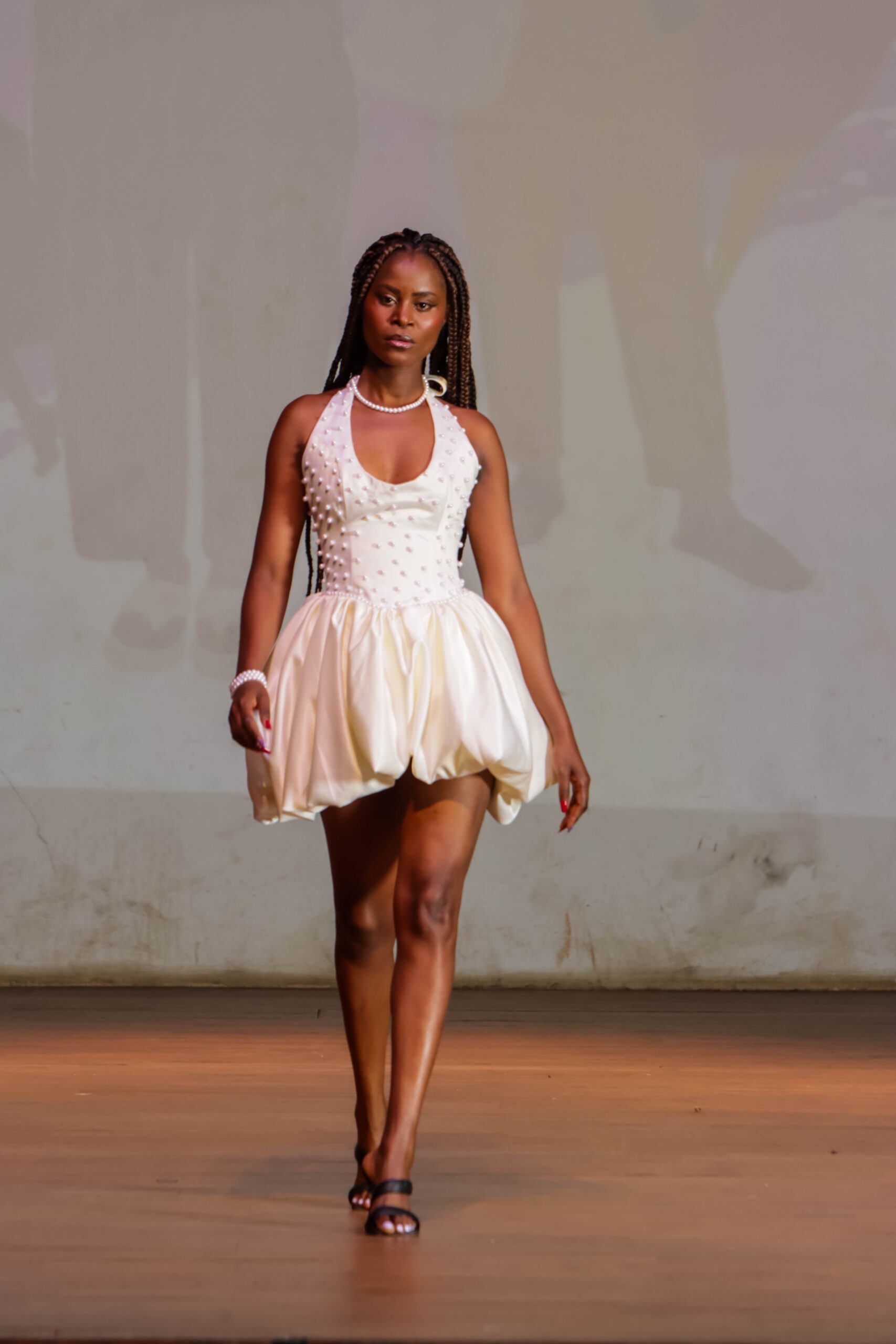
- Cocktail dresses (knee-length or midi)
- Fashion-forward silhouettes
- Bold accessories
Cocktail dressing is where personal style shines, making it a favorite category for stylists and designers.
- Corporate Events: Professionalism as Fashion
What Are Corporate Events?
Corporate events demand clothing that communicates authority, credibility, and confidence.
Examples include:
- Conferences
- Business summits
- Product launches
- Board meetings
- Corporate award nights
Clothing for Corporate Events
For Men:
- Business suits
- Neutral colors
- Conservative accessories
For Women:
- Tailored dresses
- Power suits
- Structured blouses and skirts
Corporate fashion is subtle — but powerful. Poor dressing can undermine professionalism, while well-styled outfits build trust.
This is why fashion education emphasizes contextual styling, a key focus at Delight.
- Weddings: Fashion Meets Emotion
Types of Weddings
Weddings vary widely in tone and culture:
- Traditional weddings
- Church weddings
- Garden weddings
- Destination weddings
- Luxury weddings
Each type demands a different approach to dressing.
Clothing for Weddings
Guests:
- Elegant dresses
- Suits or traditional wear
- Respectful, culturally appropriate attire
Bridal Party:
- Custom gowns
- Coordinated colors
- Formal tailoring
Weddings are a major source of income for fashion designers in Kenya — especially bespoke tailoring.
- Traditional and Cultural Events: Heritage in Fabric Form
What Are Traditional Events?
Traditional events celebrate heritage, rites of passage, and community identity.
Examples:
- Ruracio ceremonies
- Cultural festivals
- Naming ceremonies
- Traditional weddings
Clothing for Traditional Events
- Traditional fabrics
- Beaded accessories
- Symbolic colors
- Handcrafted elements
Designers must understand cultural meaning, not just aesthetics.
At Delight School of Fashion & Design, students are taught to merge tradition with contemporary design — a vital skill in African fashion.
- Religious Events: Modesty and Meaning
Types of Religious Events
- Church services
- Religious weddings
- Funerals
- Baptisms
- Faith-based conferences
Clothing for Religious Events
- Modest silhouettes
- Covered shoulders and hemlines
- Neutral or respectful colors
Religious fashion prioritizes respect and symbolism over trends.
- Casual and Social Events: Everyday Style with Intention
Examples of Casual Events
- Brunches
- Family gatherings
- Picnics
- Informal parties
Clothing for Casual Events
- Relaxed dresses
- Smart casual outfits
- Comfortable yet stylish wear
Even casual dressing requires awareness — especially for stylists and fashion entrepreneurs building lifestyle brands.
- Fashion Events: Where Creativity Takes Center Stage
Types of Fashion Events
- Fashion shows
- Runway presentations
- Industry mixers
- Designer launches
Clothing for Fashion Events
- Statement outfits
- Experimental silhouettes
- Trend-driven designs
Fashion events allow designers to push boundaries — but only after mastering fundamentals.
The Business Opportunity in Event-Based Fashion
Understanding event dressing unlocks multiple income streams:
- Bespoke tailoring
- Styling services
- Rental fashion
- Costume design
- Bridal and formalwear brands
Event-based fashion is scalable, profitable, and in constant demand.
Why Fashion Education Matters
Anyone can sew a dress.
But professionals understand:
- Event context
- Dress codes
- Client expectations
- Cultural sensitivity
- Fabric appropriateness
- Fit and finish
This depth of understanding is developed through structured training.
Delight School of Fashion & Design: Training for Real-World Fashion
At Delight School of Fashion & Design, students learn:
- Event-specific design
- Styling for different occasions
- Tailoring techniques
- Fashion history and etiquette
- Business and branding
Students graduate with:
- Industry-ready portfolios
- Practical experience
- Confidence to serve diverse clients
Conclusion: Events Change — Fashion Knowledge Endures
Events come and go.
But fashion literacy lasts a lifetime.
Understanding types of events and the clothes they require is not about memorizing rules — it is about mastering context. And context is everything in fashion.
If you want to design with intention, style with authority, and build a fashion career that lasts, your journey must begin with education.
Step Into the Industry Prepared
If you are passionate about fashion and want to move beyond guessing what to wear — or what to design — Delight School of Fashion & Design is where your journey begins.
Enroll today and learn how to design, tailor, and style for every event — from casual gatherings to formal ceremonies.
Fashion is not just clothing.
It is knowledge.
It is context.
It is power.
And it starts here.