
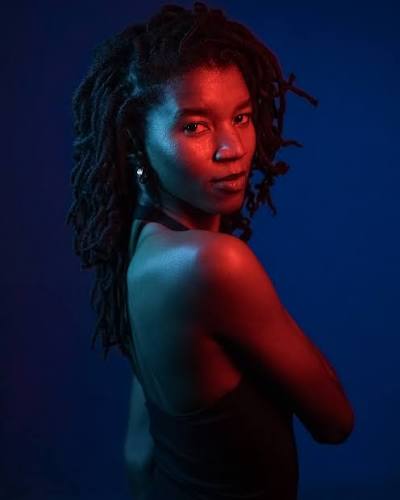
Photography Studio Lighting for Darker Skin Tones: Techniques Every Kenyan Photographer Should Master
By Delight Technical College | School of Media & AI- Photography | 2026
Photography was developed primarily by, and for, lighter skin tones and many standard studio lighting techniques and camera meter calibrations, while effective for lighter complexions, can underperform when applied without adjustment to darker skin tones. For Delight Technical College photography students in Kenya, where the vast majority of portrait subjects will have darker complexions, understanding how to light, expose, and edit for darker skin tones is not a specialist niche concern, it is core professional competency.
⚠️ Why Standard Approaches Sometimes Fall Short
- Many exposure metering systems historically calibrated toward middle grey that corresponds to lighter skin tones sometimes under-exposing darker skin tones when the meter’s automatic suggestion is followed without adjustment
- High-contrast lighting setups (such as Rembrandt or split lighting) designed for fair skin can render darker complexions with excessive shadow depth, losing detail in shadow areas
- Some post-processing tools, particularly AI-powered skin retouching and colour grading presets have been documented to perform inconsistently across different skin tones, often requiring manual adjustment for optimum results on darker skin
💡 Lighting Adjustments for Darker Skin Tones
Prioritise Fill Light:
Ensuring adequate fill light relative to the key light, keeping the lighting ratio lower than might be used for lighter skin tones maintains shadow detail and avoids the loss of depth and texture that can occur when shadow areas on darker skin become too dense.
Reflectors and Bounce:
Placing reflectors to bounce light into shadow areas adds fill without reducing the character of the key light. A practical, low-cost technique that significantly improves shadow detail retention.
Background Light Consideration:
Considering how the background tone and lighting relates to the subject’s skin tone, a darker-skinned subject against a dark background requires careful lighting to separate the subject from the background clearly.
🎛️ Exposure and Post-Processing
- Exposing to the right in camera, slightly brighter than the meter suggests, captures more detail in darker skin without losing highlights
- Checking histograms rather than LCD preview- LCD previews can be misleading for assessing shadow detail on darker skin under challenging lighting conditions
- Post-processing tools- when retouching skin, being careful that AI-powered tools apply adjustments that flatter rather than alter or smooth the natural texture of darker skin
🎓 Why Delight Addresses This Directly
Delight’s Photography programme explicitly includes this technical area recognising that photographing the full range of human complexions with equal skill, technical confidence, and flattering results is a fundamental professional competency for photographers working in Kenya.
“In Kenya, photographing darker skin tones beautifully is not a specialised skill, it is the core skill. At Delight, we train photographers who are expert at creating beautiful imagery of the full range of human complexions, not just those that traditional photography education optimised for.”
📍 Delight Technical College | Muindi Mbingu Street, Opposite Jevanjee Gardens, Nairobi | +254 722 533 771 | www.delight.ac.ke