
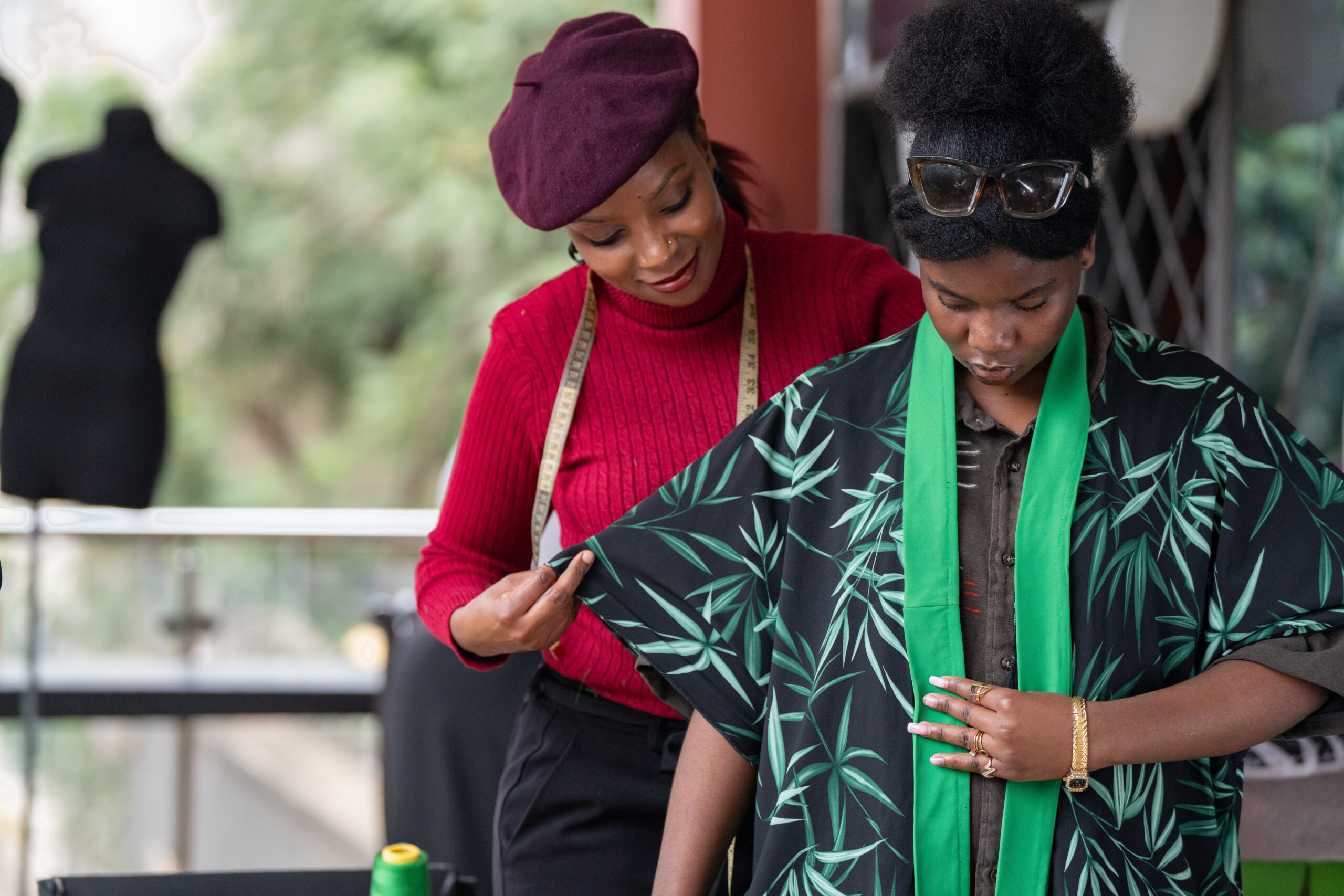
Textile Engineering & Processing Courses in Kenya
Introduction: The Science Behind Every Fabric
Before a garment reaches a runway, a boutique, or a customer’s wardrobe, it begins as fiber — raw, unprocessed, and full of potential. Through spinning, weaving, dyeing, finishing, and quality testing, that fiber transforms into textile. The professionals who make this transformation possible are trained in textile engineering and processing.
In Kenya’s growing fashion, manufacturing, and industrial sectors, textile specialists are becoming increasingly valuable. From garment factories and export processing zones to design studios and research labs, the demand for skilled textile technicians continues to rise. Graduates can work in manufacturing firms, quality labs, and research institutions, earning entry-level salaries ranging roughly from Ksh 25,000 to Ksh 70,000 depending on specialization and experience.
For students who want to master the technical side of fashion production — not just design but the science behind fabrics — textile engineering and processing courses provide the foundation. Among institutions preparing learners for this industry is Delight Technical College, a Nairobi-based technical institution offering career-oriented training with strong practical emphasis.
This comprehensive guide explains textile engineering training in Kenya, what students learn, career paths, entry requirements, and why a hands-on institution like Delight Technical College is an excellent starting point.
What Is Textile Engineering and Processing?
Textile engineering is the technical discipline that focuses on the production, testing, development, and optimization of fabrics and textile materials. Unlike fashion design, which emphasizes aesthetics, textile engineering focuses on how fabrics are made and improved.
Students learn to:
- Understand fiber properties and yarn structures
- Operate textile machinery
- Analyze fabric quality
- Develop manufacturing processes
- Supervise production systems
In practical terms, textile engineering sits at the intersection of:
- Engineering principles
- Material science
- Manufacturing technology
- Quality control
- Industrial management
A diploma-level textile technology program, for example, teaches learners to conduct research, analyze systems, and apply technological knowledge to clothing and textile production environments.
What Is Textile Processing?
Textile processing refers specifically to the industrial treatment of fabrics after they are produced. This stage determines the final appearance, performance, and quality of textiles.
Typical processing stages include:
- Fabric preparation
- Dyeing and printing
- Chemical finishing
- Texture treatment
- Quality testing
Short vocational courses, such as fabric processing operator programs, train students in dyeing, finishing, preparation techniques, and quality control procedures needed in garment and textile industries.
In short:
| Field | Focus |
| Textile Engineering | Technology + machinery + production systems |
| Textile Processing | Fabric treatment + finishing + quality |
Both skill sets are essential for modern fashion and manufacturing.
Why Textile Engineering Skills Are in High Demand in Kenya
Kenya’s textile sector is undergoing steady revival driven by government initiatives promoting local manufacturing and export production. The apparel industry continues to expand due to:
- Growth of local fashion brands
- Expansion of EPZ garment factories
- Increased demand for uniforms and industrial textiles
- Growth of technical textiles used in medicine, sports, and architecture
Because of this expansion, industries are actively seeking professionals who can:
- Operate textile machinery
- Monitor production quality
- Improve manufacturing efficiency
- Develop new fabric products
Skills-based certifications — especially hands-on technical training — are highly valued because textile production is practical and machine-driven.
Where Textile Skills Fit in the Fashion Production Chain
Many students think fashion careers are limited to designers or stylists. In reality, the fashion ecosystem depends heavily on technical professionals.
Here’s how textile engineering roles fit into the supply chain:
- Fiber production
- Yarn spinning
- Fabric weaving/knitting
- Textile processing
- Garment manufacturing
- Quality control
- Distribution
Training centers that teach textile-related skills prepare learners for multiple points within this chain, not just clothing design.
Why Choose Delight Technical College for Textile-Related Training
For students seeking practical textile and fashion-related education in Kenya, Delight Technical College offers a structured environment focused on industry readiness and hands-on training.
Location
Muindi Mbingu Street, Opposite Jevanjee Gardens
Nairobi City County, Kenya
Accreditation
Approved by TVETA (Technical and Vocational Education and Training Authority), ensuring nationally recognized training standards.
Contact
- Phone/WhatsApp: +254 722 533 771 / +254 724 566 088
- Website: www.delight.ac.ke
- Email: info@delight.ac.ke
Training Philosophy: Learn by Doing
Technical skills cannot be mastered through theory alone. Textile production requires real-world practice with machines, materials, and tools. Delight Technical College emphasizes:
- Practical workshop sessions
- Industry-standard equipment
- Project-based learning
- Skills assessments
This approach mirrors professional textile factories, where productivity and accuracy matter more than memorization.
Courses Related to Textile Engineering & Processing at Delight Technical College
While textile engineering as a degree is typically offered at specialized institutions, technical colleges like Delight provide foundational programs that build the same practical competencies needed in textile industries.
Relevant programs include:
Fashion & Textile-Related Courses
- Diploma in Fashion Design — Level 6 (TVET-CDACC)
- Higher Certificate in Fashion Design Technology — Level 5
- Certificate in Fashion Design Technology — Level 4
- Artisan Dressmaking — Level 3
- Artisan Tailoring — Level 3
- Trade Tests in Dressmaking, Tailoring, and Knitting (NITA)
All fashion programs cost approximately Ksh 40,000 per term, making them accessible compared to many technical institutions.
These programs equip learners with:
- Fabric knowledge
- Garment construction
- Machine operation
- Pattern cutting
- Production methods
Those competencies align directly with textile engineering fundamentals.
Entry Requirements
Delight Technical College offers flexible admission pathways to ensure accessibility:
| Level | Requirement | Duration |
| Diploma | KCSE C– or equivalent | 2 years |
| Certificate | KCSE D or equivalent | 2 years |
| Artisan | KCPE or any KCSE grade | 1 year |
This tiered system allows students to start at their academic level and progress upward toward advanced qualifications.
Skills You Gain in Textile-Related Training
Students completing textile or fashion technology programs develop both technical and professional competencies.
Technical Skills
- Fabric analysis
- Sewing machine operation
- Textile finishing methods
- Pattern drafting
- Production planning
- Quality testing
Industry Skills
- Problem-solving
- Production supervision
- Process improvement
- Workflow management
Entrepreneurial Skills
Delight Technical College integrates entrepreneurship training so graduates can launch their own:
- Tailoring businesses
- Fashion brands
- Textile workshops
- Uniform production companies
Hands-On Training: The Core Advantage
Technical education differs from academic study because it focuses on skill performance, not just theoretical understanding.
Practical textile training helps students:
- Build muscle memory for machine handling
- Understand material behavior
- Identify production errors quickly
- Improve efficiency and precision
Programs emphasizing workshops and live demonstrations prepare learners for immediate employment or business creation.
Facilities That Support Technical Learning
A strong textile training program depends on facilities. Delight Technical College provides:
- Equipped workshops
- Modern sewing labs
- ICT labs for digital design
- Creative studios
Students also benefit from free Wi-Fi access, allowing research into global textile trends and technologies.
Flexible Study Options
Not all learners can attend school full-time. Delight offers:
- Day classes
- Evening classes
- Weekend classes
This flexibility allows working professionals or entrepreneurs to gain technical skills without leaving their jobs.
Career Opportunities After Textile Training
Textile and fabric specialists can work in a wide range of industries.
Possible career paths include:
- Textile production technician
- Fabric quality analyst
- Dyeing and finishing operator
- Garment factory supervisor
- Pattern technologist
- Industrial sewing technician
Graduates may work in:
- Textile manufacturing firms
- Export Processing Zones factories
- Quality assurance labs
- Research institutions
Industry Exposure and Internship Opportunities
Real-world experience is essential for technical careers. Delight Technical College supports learners through:
- Industry attachments
- Internship placements
- Practical assessments
Attachment fees are approximately Ksh 10,000 annually, giving students structured workplace exposure.
Pathway Progression: From Beginner to Professional
One of the strongest features of technical training is progression.
Students can follow this pathway:
Artisan → Certificate → Diploma → Advanced specialization
This structure allows learners to upgrade qualifications gradually while gaining work experience.
Entrepreneurship Opportunities in Textile Fields
Textile training does not only prepare students for employment — it equips them to start businesses.
Popular ventures graduates launch include:
- Tailoring shops
- Uniform production companies
- Textile printing businesses
- Clothing brands
- Fabric retail stores
Because textile production has relatively low startup costs compared to heavy engineering industries, graduates can start small and scale gradually.
Student Life and Creative Exposure
Technical training is not only about machines and exams. Delight Technical College promotes a vibrant creative environment through:
- Fashion shows
- Design competitions
- Creative clubs
- Student showcases
These activities help learners:
- Build portfolios
- Network with peers
- Gain confidence
- Develop presentation skills
Financial Transparency and Affordability
Understanding costs is important for students planning their education.
Annual Administrative Fees
- Statutory fees: Ksh 12,000
- Attachment fees: Ksh 10,000
- Exam fees: about Ksh 8,000 per module
Payments are made through the college’s official bank account at KCB Bank (Biashara Street branch).
Flexible payment plans and scholarship opportunities are available for eligible learners.
Registration Requirements
Applicants need:
- Copy of KCPE or KCSE results
- National ID copy
- Birth certificate (if applicable)
- Two passport photos
This simple process ensures quick admission and minimal barriers.
Global Relevance of Textile Skills
Textile engineering and processing skills are not limited to local markets. Textile technology graduates can work in industries ranging from aerospace and medicine to architecture and automotive manufacturing because textile materials are used in multiple sectors.
This means textile skills are transferable internationally.
The Future of Textile Technology
Modern textile industries increasingly integrate technology such as:
- Automated sewing systems
- Computer-controlled weaving machines
- Digital fabric printing
- AI-assisted production monitoring
Research shows innovations like vision-based robotic knitting systems can analyze patterns and generate machine instructions automatically, demonstrating how textile manufacturing is becoming more advanced and technology-driven.
Students entering textile training today are stepping into a future-focused industry.
Why Accreditation Matters
When choosing any technical course, accreditation is essential. Accredited institutions ensure:
- Recognized certifications
- Standardized training quality
- Employer trust
- Eligibility for national exams
Delight Technical College is approved by TVETA, which regulates vocational training standards in Kenya.
Support Systems for Students
Beyond academics, Delight Technical College offers:
- Mentorship programs
- Career guidance
- Accommodation assistance
- Industry networking opportunities
Such support helps students transition smoothly from classroom learning to employment or entrepreneurship.
Who Should Study Textile Engineering or Processing?
This field is ideal for:
- Students interested in fashion technology
- Individuals who enjoy hands-on work
- Creative thinkers who like problem solving
- Entrepreneurs planning clothing businesses
- Technically minded learners
It is especially suitable for those who prefer practical learning over theoretical study.
How to Apply
Applicants can visit the Nairobi CBD campus in person to register.
Location: Muindi Mbingu Street, Opposite Jevanjee Gardens, Nairobi.
Admissions staff guide applicants through:
- Course selection
- Documentation
- Fee payment
- Class scheduling
Final Thoughts: Build the Future of Fabric
Textiles shape the world around us — from clothing and furniture to medical materials and industrial products. Behind every fabric is a trained professional who understands how fibers become finished materials.
Textile engineering and processing courses provide the skills to:
- Create fabrics
- Improve production systems
- Ensure quality
- Innovate materials
For students seeking a practical, career-focused pathway into this industry, Delight Technical College offers accessible, hands-on training designed for real-world success.
Whether your goal is employment in manufacturing, launching a fashion brand, or mastering the science of textiles, technical education is the thread that connects ambition to opportunity.