
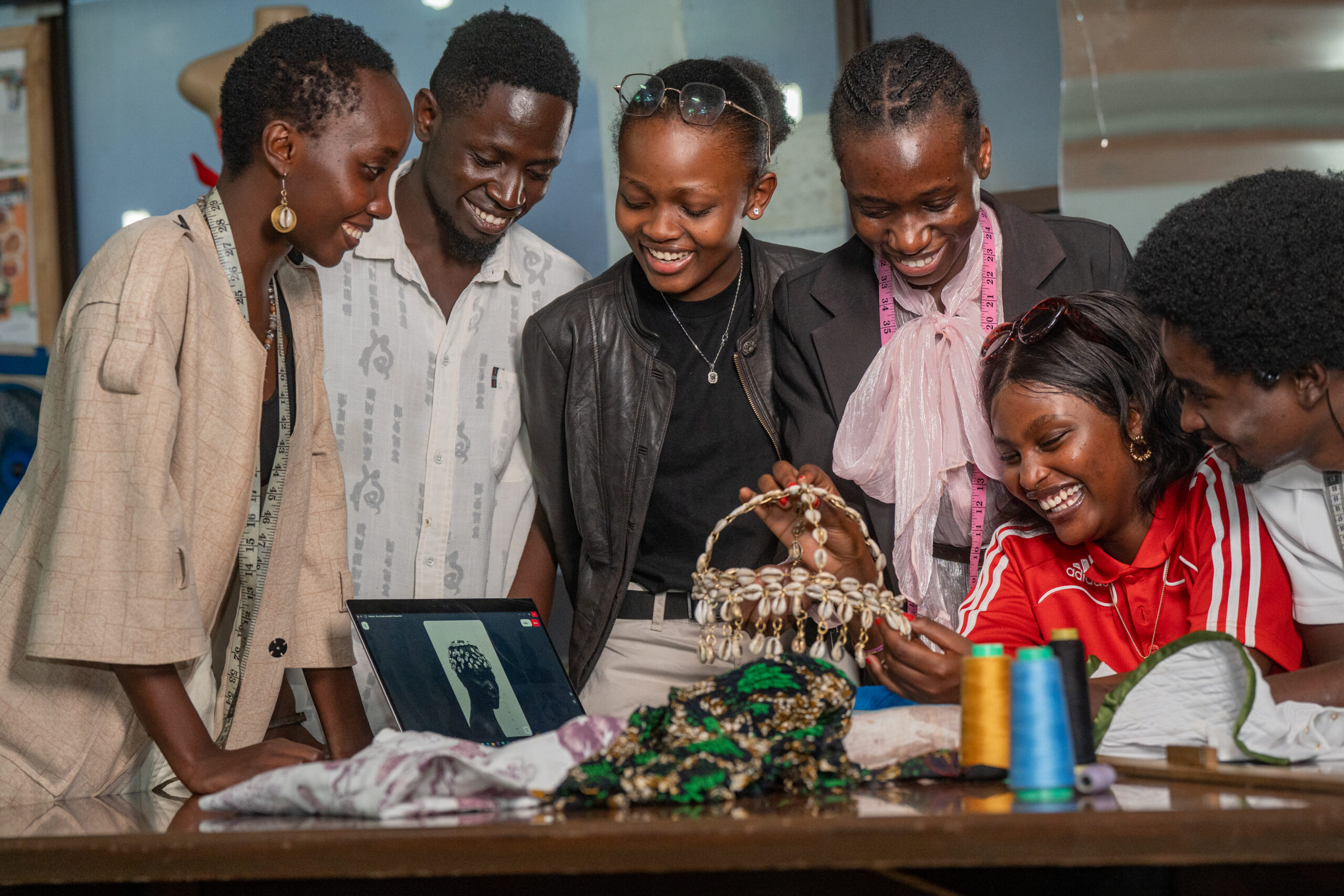
Beadwork & Embroidery Training in Nairobi – Complete Guide
Introduction: The Art That Turns Fabric into Luxury
Before a garment becomes unforgettable, it gains detail.
Before it becomes couture, it gains texture.
Before it becomes art, it gains craftsmanship.
That craftsmanship often comes from two timeless decorative techniques: beadwork and embroidery.
Across cultures and centuries, these textile arts have symbolized identity, prestige, creativity, and storytelling. Today, they are no longer just traditional crafts — they are professional skills used in:
- High fashion
- Bridal wear
- Cultural garments
- Interior décor
- Runway collections
- Costume design
- Textile art
- Fashion accessories
In Nairobi’s rapidly growing creative economy, mastering beadwork and embroidery can open doors to employment, freelancing, and entrepreneurship. One of the most practical places to learn these skills professionally is Delight Technical College, a TVETA-approved institution known for hands-on technical training.
This complete guide explains everything you need to know about studying beadwork and embroidery in Nairobi — including course structure, skills gained, tools used, career paths, and why professional training matters.
What Are Beadwork and Embroidery?
Although often grouped together, beadwork and embroidery are distinct but complementary decorative textile techniques.
Beadwork
Beadwork involves attaching beads to fabric, thread, or accessories to create decorative patterns, textures, and designs. It is widely used in:
- Couture garments
- Bridal dresses
- Cultural outfits
- Jewelry
- Handbags
- Shoes
- Costumes
Embroidery
Embroidery is the art of decorating fabric using needle and thread to create stitched patterns or images. It can be done by hand or machine and is used for:
- Logos and branding
- Garment decoration
- Home textiles
- Fashion collections
- Textile art
When combined, beadwork and embroidery produce high-value garments and products that command premium prices in the market.
Why Learn Beadwork & Embroidery Today?
Many people assume embroidery is an old-fashioned skill. In reality, it is one of the fastest-growing creative crafts globally due to rising demand for:
- Handmade fashion
- Custom clothing
- Personalized accessories
- Sustainable fashion
- Cultural garments
- Luxury detailing
Professional training allows learners to transform these traditional crafts into modern income-generating skills.
Growing Demand in Nairobi’s Fashion Industry
Nairobi has become a regional fashion hub, hosting:
- Fashion shows
- Bridal boutiques
- Designer studios
- Textile suppliers
- Fashion startups
Designers constantly look for skilled artisans who can produce detailed embellishments that machines cannot replicate. Skilled beadworkers and embroiderers are therefore highly valued in:
- Fashion houses
- Costume departments
- Wedding dress studios
- Textile production companies
- Film and theatre productions
Training locally gives students direct access to these opportunities.
Why Professional Training Matters
Many beginners try to learn embroidery or beadwork through online tutorials or self-practice. While this can introduce basic skills, professional training offers advantages that self-learning cannot provide.
Structured training teaches:
- Stitch accuracy
- Pattern alignment
- Material selection
- Design composition
- Fabric compatibility
- Finishing techniques
- Production speed
- Quality standards
Without proper training, learners often struggle with:
- Uneven stitches
- Weak thread tension
- Poor design balance
- Fabric damage
- Low durability
Professional instruction ensures students build strong technical foundations.
What You Learn in Beadwork & Embroidery Classes
A comprehensive training program progresses step by step from beginner to advanced level.
Module 1 — Tools and Materials
Students learn about essential tools such as:
- Needles
- Threads
- Frames
- Hoops
- Beads
- Sequins
- Fabrics
- Stabilizers
They also learn how to choose materials appropriate for different projects.
Module 2 — Basic Stitch Techniques
Students practice foundational stitches including:
- Running stitch
- Chain stitch
- Back stitch
- Satin stitch
- Cross stitch
- Stem stitch
These stitches form the building blocks for more advanced decorative techniques.
Module 3 — Pattern Design
Learners study how to create and transfer designs onto fabric using methods such as:
- Freehand drawing
- Carbon transfer
- Tracing
- Stencil methods
They also learn principles of pattern composition and symmetry.
Module 4 — Bead Attachment Techniques
Students learn how to securely attach different types of beads using:
- Single bead stitching
- Continuous bead stitching
- Cluster bead techniques
- Layered bead embroidery
- Raised bead designs
This module focuses on durability and neat finishing.
Module 5 — Fabric Knowledge
Different fabrics behave differently when embroidered. Students learn how to work with:
- Cotton
- Silk
- Satin
- Denim
- Chiffon
- Lace
- Organza
Understanding fabric structure prevents distortion and improves quality.
Module 6 — Decorative Embellishment Techniques
Students explore advanced decorative methods such as:
- Sequin embroidery
- Metallic thread embroidery
- Appliqué
- Cutwork
- Layered embellishment
- Mixed media decoration
Module 7 — Machine Embroidery Basics
Modern courses introduce learners to machine embroidery to increase productivity and industry readiness.
Skills include:
- Machine setup
- Thread tension control
- Hoop alignment
- Design programming
- Maintenance basics
Module 8 — Product Development
Students apply their skills to real products such as:
- Decorative garments
- Bridal accessories
- Beaded handbags
- Embroidered patches
- Custom apparel
This stage helps them understand production workflow.
Module 9 — Portfolio Creation
Students compile a professional portfolio showcasing their work, which is essential for:
- Employment applications
- Client presentations
- Freelance work
- Business marketing
Training Approach at Delight Technical College
Delight Technical College uses a competency-based training model designed to prepare students for real industry work rather than just exams.
Key features of their teaching approach include:
- Practical-first learning
- Demonstrations
- Guided projects
- Instructor feedback
- Industry-standard tools
- Hands-on workshops
Students spend most of their time practicing rather than listening to lectures, which accelerates skill development.
Entry Requirements
Beadwork and embroidery training is accessible to beginners and does not require advanced academic qualifications.
Typical requirements include:
- KCPE or KCSE certificate (any grade)
- Copy of academic certificate or result slip
- National ID copy
- Passport photos
This inclusive approach makes creative education available to a wide range of learners.
Duration of Training
Training duration varies depending on program level.
Typical timelines:
| Level | Duration |
| Artisan Level | About 1 year |
| Short Courses | Several weeks to months |
Short programs focus on specific techniques, while full programs cover both theory and practical mastery.
Tuition and Affordability
At Delight Technical College, diploma, certificate, and artisan courses in the fashion school cost approximately Ksh 40,000 per term, making professional training accessible compared to many private creative institutions.
Additional costs may include:
- Statutory fees
- Exam fees
- Attachment fees
Flexible payment options help students manage tuition more comfortably.
Skills You Gain from Training
Professional beadwork and embroidery training develops multiple skill categories.
Technical Skills
- Stitch precision
- Pattern accuracy
- Fabric handling
- Tool mastery
- Thread control
Creative Skills
- Design composition
- Color coordination
- Pattern creation
- Style development
Professional Skills
- Project planning
- Time management
- Quality control
- Client communication
These combined competencies prepare students for employment or business ownership.
Career Opportunities
Graduates with beadwork and embroidery skills can work in many industries.
Possible careers include:
- Fashion designer assistant
- Textile decorator
- Costume designer
- Bridal wear specialist
- Accessories designer
- Production artisan
- Fashion stylist assistant
- Creative entrepreneur
These skills are highly transferable across industries.
Freelancing Opportunities
Many graduates choose self-employment because beadwork and embroidery services are in constant demand.
Freelance services can include:
- Custom embroidery
- Bridal embellishments
- Brand logo stitching
- Personalized gifts
- Cultural garment decoration
- Fashion repair and alteration detailing
Freelancers can work from home with minimal startup equipment.
Entrepreneurship Opportunities
Students trained in both craft and business skills can launch ventures such as:
- Embroidery studios
- Custom fashion brands
- Beaded accessory businesses
- Textile art shops
- Online craft stores
Delight Technical College integrates entrepreneurship training into its programs so students understand pricing, marketing, and business management.
ools Students Learn to Use
Training introduces learners to professional tools used in the industry.
Hand Tools
- Needles
- Frames
- Hoops
- Scissors
- Beading needles
- Thread wax
Materials
- Cotton thread
- Silk thread
- Metallic thread
- Beads
- Sequins
- Crystals
- Decorative trims
Machine Equipment
- Embroidery machines
- Thread stands
- Stabilizers
- Pattern software (introductory level)
mportance of Beadwork & Embroidery in Fashion Design
Decorative textile skills give designers a competitive advantage. They allow them to:
- Customize garments
- Increase product value
- Create signature styles
- Offer luxury finishes
- Stand out in the market
Designers who understand embellishment techniques can design more creatively and produce more distinctive collections.
Student Experience
Students learning at a hands-on institution benefit from a dynamic creative environment that includes:
- Practice sessions
- Fashion shows
- Creative exhibitions
- Collaborative projects
- Peer critique sessions
Such experiences help students gain confidence and real-world readiness.
Why Employers Value Embroidery Skills
Fashion businesses prefer artisans who can:
- Work precisely
- Meet deadlines
- Maintain quality standards
- Follow design instructions
- Produce consistent results
Professional training ensures graduates meet these expectations.
Benefits of Studying in Nairobi
Learning in Nairobi offers advantages such as:
- Access to textile markets
- Exposure to fashion trends
- Networking opportunities
- Industry internships
- Access to suppliers
Students can observe real market demands while studying.
Who Should Take This Course?
Beadwork and embroidery training is ideal for:
- Fashion students
- Tailors
- Designers
- Artists
- Craft lovers
- Entrepreneurs
- Beginners
- Stylists
- Costume designers
No prior experience is required to begin.
The Future of Decorative Textile Skills
Despite advances in technology, handcrafted embellishment remains highly valued because it cannot be fully replicated by machines. In fact, luxury fashion brands increasingly highlight hand-crafted elements because they signal:
- Authenticity
- Quality
- Artistry
- Exclusivity
This ensures long-term demand for skilled artisans.
How to Apply
Applicants can apply by visiting the campus or contacting admissions.
Location:
Muindi Mbingu Street, Opposite Jevanjee Gardens
Nairobi City County, Kenya
Phone/WhatsApp:
+254 722 533 771
+254 724 566 088
Email: [email protected]
Website: www.delight.ac.ke
Required documents:
- Academic certificate copy
- ID copy
- Passport photos
Why Choose Delight Technical College?
Students choose this institution because it offers:
- Accredited programs
- Industry-aligned curriculum
- Practical training
- Experienced instructors
- Flexible schedules
- Modern facilities
- Career support
- Entrepreneurship training
- Supportive environment
These factors ensure learners graduate with real skills, not just certificates.
Final Thoughts
Beadwork and embroidery are not just decorative crafts — they are professional skills that can transform creativity into a career. Whether you want to work in fashion, start a business, or develop artistic expertise, mastering these techniques gives you a powerful advantage in today’s creative economy.
With proper training, structured practice, and expert guidance, anyone can learn to create professional-quality embellished designs. Studying in a practical training environment ensures you gain real experience, industry readiness, and confidence.
For aspiring creatives in Nairobi, learning beadwork and embroidery is more than education — it is a gateway to opportunity, entrepreneurship, and artistic expression.

You may also like
African Typography and the Design of Kenyan-Language Content

