
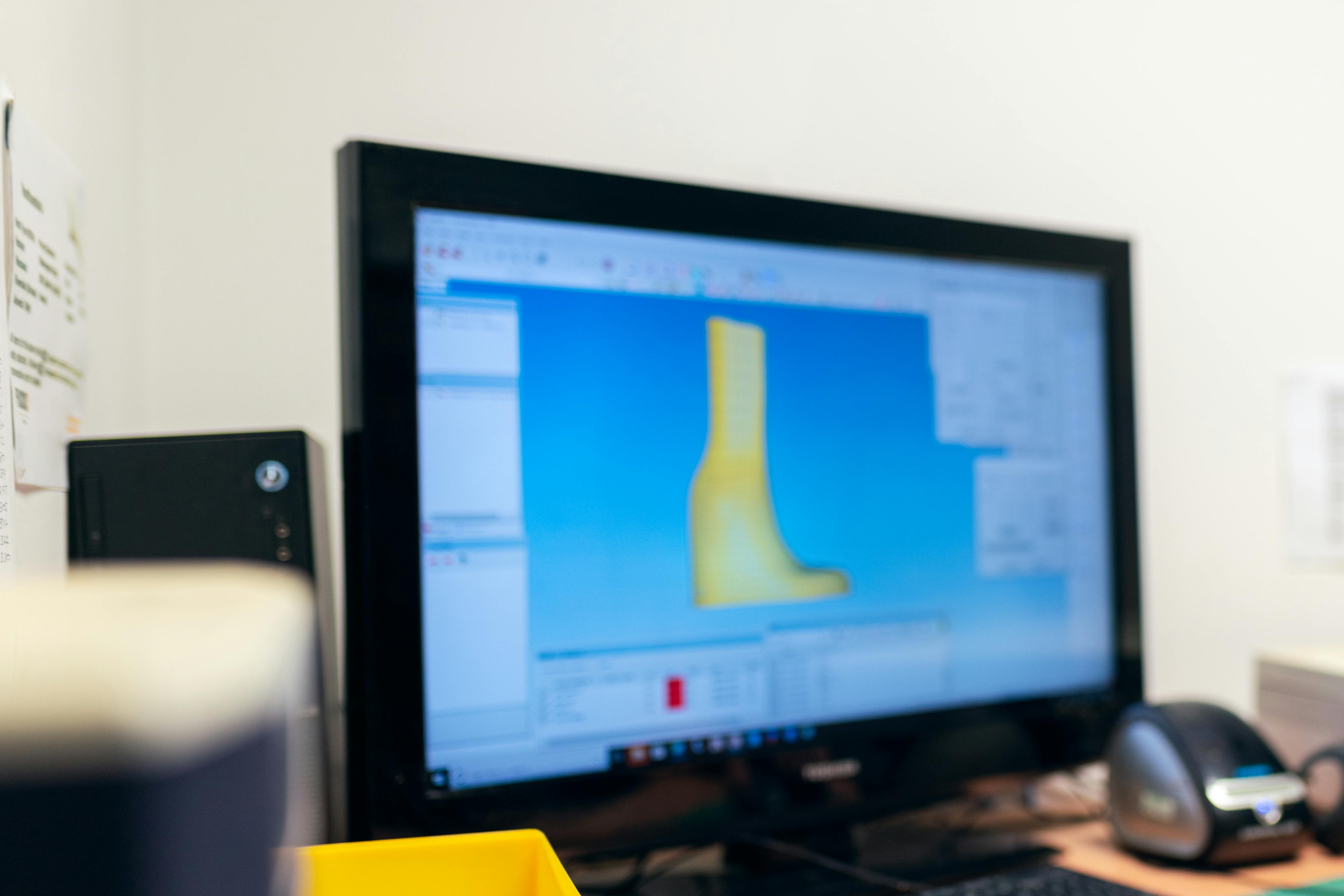
CAD for Fashion in Kenya – Complete Guide
Introduction: Fashion Has Gone Digital — Have You?
The global fashion industry is rapidly evolving, and today’s designers no longer rely only on paper sketches and manual pattern drafting. Technology now plays a central role in modern fashion creation. From digital sketches and virtual garment fitting to automated pattern grading and textile simulations, Computer-Aided Design (CAD) has become an essential skill for fashion professionals.
In Kenya, this shift is already happening — fashion houses, tailoring studios, textile manufacturers, and independent designers are increasingly adopting digital design tools. That means students who master CAD skills early gain a major advantage in employability, productivity, and creative expression.
One institution leading this transformation is Delight Technical College, which offers practical training designed to equip learners with real-world digital fashion skills.
This comprehensive guide explains everything you need to know about studying CAD for fashion in Kenya — from course content and software tools to career opportunities and why digital design skills are shaping the future of fashion.
What Is CAD in Fashion Design?
Computer-Aided Design (CAD) refers to the use of specialized software to create fashion designs digitally instead of drawing or drafting manually. It allows designers to visualize garments, patterns, and textiles on screen before producing them physically.
CAD tools are widely used for:
- Digital sketching
- Pattern drafting
- Textile print creation
- Garment simulation
- Pattern grading
- Technical fashion illustration
Training in CAD helps designers communicate ideas more effectively and speed up production workflows. In fact, CAD programs enable students to create designs, develop digital portfolios, and assess garment fit virtually before manufacturing.
Why CAD Skills Matter in Kenya’s Fashion Industry
Kenya’s fashion and textile sector is growing, with increased demand for skilled designers who understand both creativity and technology. Traditional sewing skills alone are no longer enough for many modern roles.
Digital fashion skills matter because:
- The Industry Is Becoming Technology-Driven
Manufacturers and brands now rely on digital tools for precision, consistency, and speed.
- Clients Expect Visual Prototypes
Digital mockups allow clients to preview garments before production.
- Production Efficiency Is Crucial
CAD reduces errors and material waste by testing designs virtually.
- Designers Need Competitive Advantage
Employers prefer graduates who can work with industry software and digital workflows.
- Remote Work Opportunities
Digital design allows freelancers to collaborate internationally.
CAD Training at Delight Technical College
Delight Technical College offers a specialized CAD course tailored for fashion designers who want to learn digital design skills alongside practical garment production.
According to official course information, students are trained in:
- Pattern drafting using CAD software
- Digital fashion sketching
- Garment construction planning
- Textile applications in digital design
- Stitching and fitting simulation
- Digital embroidery integration
This curriculum blends technical skills with creative design principles, ensuring learners understand both fashion theory and modern digital workflows.
Course Structure: What You’ll Learn
A strong CAD fashion course typically includes modules that build skills progressively from beginner to professional level.
Foundation Level
Students learn basic software navigation and digital drawing fundamentals.
Topics include:
- Interface basics
- Digital drawing tools
- Shape construction
- Color systems
Intermediate Level
Students begin applying CAD to fashion design concepts.
Skills covered:
- Pattern drafting
- Digital textile design
- Garment visualization
- Layout planning
Advanced Level
Students work on real-world projects using industry workflows.
Topics include:
- Virtual garment simulation
- Marker making and cutting layouts
- Technical specification sheets
- Digital portfolio creation
Software Used in Fashion CAD Training
Most modern fashion CAD courses teach professional design software widely used in the global industry.
Common tools include:
Adobe Photoshop
Used for textures, color variations, and fabric pattern creation.
Adobe Illustrator
Ideal for precise vector-based patterns and technical fashion drawings.
CLO 3D
Allows designers to simulate garments digitally and test how fabric behaves.
CorelDRAW
Used for technical illustrations and layout planning.
Learning these tools ensures graduates can operate in professional design environments immediately after training.
Entry Requirements for CAD Fashion Courses
One advantage of CAD training is accessibility. Many programs accept beginners without prior experience.
Some institutions state that no prior experience is required, making CAD suitable for students, freelancers, and working professionals.
At Delight Technical College, admissions are designed to be inclusive, allowing learners from diverse academic backgrounds to enroll in creative and technical programs.
Duration of CAD Fashion Training
Course length varies depending on depth and level.
Typical durations include:
- Short courses — 1 month intensive training
- Intermediate programs — 3 months
- Advanced certification — 6–12 months
For example, some CAD programs internationally last about three months and include hands-on projects and industry visits.
Short intensive programs can also run about 30 hours of training focused on pattern drafting software.
At Delight Technical College, students can take short courses in Computer Aided Designing lasting approximately one month, making it ideal for quick skill acquisition.
Teaching Approach: Why Practical Training Matters
Fashion is a hands-on profession. Learning CAD only through theory is ineffective because the real skill lies in software application.
Effective training focuses on:
- Practical assignments
- Real design briefs
- Live projects
- Industry simulations
- Portfolio development
Courses that include hands-on learning prepare students for real industry environments and professional standards.
Delight Technical College emphasizes competency-based TVET programs that align with industry demands and prepare students for employment or entrepreneurship.
Benefits of Studying CAD for Fashion
- Faster Design Process
Digital tools significantly reduce time spent drafting patterns and modifying designs.
- Greater Accuracy
CAD allows precise measurements and consistent grading across sizes.
- Cost Efficiency
Designers can test prototypes virtually before cutting fabric.
- Professional Presentation
Digital sketches look polished and client-ready.
- Creative Freedom
Software enables experimentation with colors, prints, and textures.
- Sustainability
Virtual prototyping reduces fabric waste and supports eco-friendly production methods.
Career Opportunities After CAD Training
Graduates with CAD fashion skills can pursue diverse roles across the fashion and textile industry.
Possible careers include:
- Fashion designer
- Garment technologist
- Fashion illustrator
- Merchandiser
- Retail buyer
- Design manager
- Fashion consultant
- Planner and visualizer
Digital design skills also open opportunities in:
- Textile manufacturing
- Export houses
- Fashion tech startups
- Freelance design services
- Online fashion businesses
Why Employers Prefer CAD-Trained Designers
Fashion companies value CAD-trained designers because they bring both technical and creative advantages.
Employers benefit from designers who can:
- Create production-ready patterns
- Modify designs quickly
- Share digital files instantly
- Communicate with manufacturers clearly
- Work remotely with global teams
In many studios, CAD proficiency is now considered a core professional requirement rather than an optional skill.
Digital Portfolio Advantage
One major benefit of CAD training is the ability to build a professional digital portfolio.
Students learn to:
- Export high-quality design files
- Create digital lookbooks
- Prepare client presentations
- Share designs online
- Showcase work professionally
A strong portfolio is often more important than academic grades when applying for fashion jobs or freelance projects.
Who Should Study CAD for Fashion?
CAD fashion courses are suitable for a wide range of learners:
Beginners
Students exploring fashion design for the first time.
Tailors and Dressmakers
Professionals who want to upgrade to digital production methods.
Fashion Students
Learners who want to add technical skills to their qualifications.
Entrepreneurs
Individuals planning to start fashion brands.
Designers
Professionals seeking advanced tools for efficiency.
Entrepreneurship Opportunities
Kenya’s fashion sector supports thousands of small businesses, from tailoring shops to clothing brands. CAD skills make entrepreneurship easier because they allow designers to:
- Create professional brand collections
- Produce digital catalogs
- Communicate with manufacturers
- Scale production efficiently
- Design without large startup costs
Delight Technical College integrates entrepreneurship training into its programs so students can start and manage their own businesses after graduation.
Certification and Accreditation Importance
When choosing a CAD fashion course, accreditation matters. Recognized certification ensures your qualification is valid for employment and further education.
Delight Technical College is accredited by the Technical and Vocational Education and Training Authority (TVETA) and certified by NITA and CDACC, which guarantees national recognition of its programs.
This accreditation is crucial for:
- Job applications
- Government opportunities
- International recognition
- Academic progression
Facilities and Learning Environment
A strong learning environment improves skill development. Effective CAD training requires:
- Computer labs
- Updated software
- High-performance systems
- Digital drawing tools
- Pattern digitizers
Institutions that invest in modern facilities give students a professional-level learning experience.
Delight Technical College offers programs through specialized schools including Fashion & Design and Media & AI, ensuring students learn using current tools and technologies.
Short Courses vs Full Programs
Students often wonder whether to take a short CAD course or a full fashion design program.
Short CAD Courses
Best for:
- Professionals upgrading skills
- Tailors transitioning to digital design
- Entrepreneurs
Full Fashion Programs
Best for:
- Beginners
- Students pursuing long-term careers
- Those seeking comprehensive training
The advantage of studying at Delight Technical College is that learners can start with short courses and later progress to certificate or diploma levels within the same institution.
How CAD Supports Sustainable Fashion
Sustainability is one of the biggest global trends in fashion. CAD contributes to eco-friendly production by:
- Reducing fabric waste
- Minimizing sampling
- Allowing virtual testing
- Improving production planning
Designers who understand digital workflows are better prepared for environmentally responsible fashion careers.
The Future of Fashion Is Digital
Fashion technology is advancing rapidly, with innovations like:
- 3D garment simulation
- AI-generated fashion concepts
- Digital fitting rooms
- Virtual fashion shows
- NFT fashion collections
Students who learn CAD today are positioning themselves for the future of fashion tomorrow.
How to Apply for CAD Training
Applying for a CAD fashion course is usually straightforward.
Typical steps include:
- Submit application form
- Provide academic documents
- Pay registration fees
- Attend orientation
At Delight Technical College, students can apply by visiting the campus, contacting admissions, or applying online.
Why Study CAD at Delight Technical College?
Here’s what makes the college stand out for digital fashion training:
- Nationally accredited programs
- Industry-aligned curriculum
- Hands-on practical training
- Qualified instructors
- Flexible study options
- Career-focused learning
- Entrepreneurship support
Graduates from the college have gone on to succeed in fashion careers and even lead fashion brands, demonstrating the effectiveness of its training approach.
Conclusion: Is CAD Fashion Training Worth It?
Absolutely.
Fashion is no longer just about creativity — it’s about creativity powered by technology. Designers who understand digital tools work faster, design smarter, and compete globally.
If you want a career that blends art, technology, and entrepreneurship, learning CAD for fashion is one of the smartest decisions you can make.
By studying at a recognized institution like Delight Technical College, you gain both technical expertise and practical experience — the exact combination employers and clients look for in today’s fashion industry.