Tailoring vs Dressmaking: Master Fashion Crafts at Delight Technical College Nairobi
Two Threads, One Fabric of Culture
Close your eyes and picture an artisan’s workshop filled with the hum of sewing machines, the sharp shear of scissors cutting through cloth, and the excitement in the air as raw fabric becomes something beautiful. Now imagine two creatives standing side by side — one plotting every precise cut for a perfectly structured suit; the other imagining the sweeping silhouette of a gown that honors a bride’s dream.
This is the world of tailoring and the world of dressmaking — two crafts that share stitches but tell very different stories. Together, they form the beating heart of fashion, yet each has its own rhythm, its own language, and its own place in history. And as fashion evolves, the distinction between them becomes not a divider but a bridge — guiding learners, creatives, and entrepreneurs toward mastery.
Today, we explore that bridge — not just to understand the difference, but to see how Delight Technical College in Nairobi, Kenya nurtures students in both disciplines so they can carry forward a legacy of craftsmanship, culture, and innovation.
- Before Threads Were Trends: Ancient Garment Crafting
Long before fashion designers walked runways, humans used cloth to live — for warmth, for protection, for identity. Over centuries, these practical garments evolved into expressive attire. Craftspeople across cultures learned to cut, fit, and shape fabric to the human form. In many societies, this knowledge became specialized — some artisans became experts at structured garments, others excelled at flowing silhouettes.
Even then, in villages and early urban centers, you might find people whose expertise leaned toward what we now call tailoring, and others whose hands were more adept at dressmaking — though nobody had invented the labels yet.
In Africa, traditional tailors and dressmakers were both central to community life: one making ceremonial robes and finely woven garments, the other crafting everyday and festive wear from textiles rich with cultural meaning. These practices were embedded in culture, telling stories without ever uttering a word.
- Tailoring vs Dressmaking: What Really Makes Them Different
At a glance, tailoring and dressmaking sound similar. Both involve fabric, both involve sewing. But dig a little deeper and something rich and nuanced emerges — like finding a perfect pattern buried within a bolt of cloth.
Here’s how the two really differ and why both matter:
- The Essence of Tailoring: Structure, Precision, and Fit
Tailoring focuses on garments built around structure and fit. It’s about understanding the human body, taking exact measurements, and translating them into clothes that sculpt or shape the wearer with intention. The craft finds its deepest roots in garments like suits, blazers, trousers, coats, and shirts — clothing that demands precision.
A tailor doesn’t just cut and sew fabric — they engineer garments. Tailoring techniques often involve:
- Accurate Measurement and Fitting: A tailored garment must follow the body’s lines to look and feel right.
- Pattern Drafting and Modification: Tailors create or alter patterns based on precise measurements, not just general sizes.
- Handling Structured Fabrics: Heavier fabrics like suiting wool or thick cotton require technical know‑how.
- Construction Techniques: Using elements like linings, interfacings, and specific stitches that shape the garment.
Think of a finely tailored suit: it doesn’t just hang on your body — it meets it in all the right places. That’s the art and science of tailoring.
Historically, tailors were known as experts who built garments grounded in geometric precision — even before industrial sewing machines. The word tailor has roots in cutting (“tailler” in French), highlighting how central cutting and shaping were to the craft.
- The Heart of Dressmaking: Creativity, Flow, and Expression
While tailoring emphasizes structure, dressmaking leans into creative expression and garment design.
Dressmakers work especially with garments like:
- Dresses
- Skirts
- Blouses
- Evening and occasion wear
These garments often allow for softer silhouettes and expressive details.
Unlike tailoring’s engineering mindset, dressmaking often involves:
- Fabric Selection and Draping: Choosing materials that flow and flatter, often emphasizing drape rather than rigidity.
- Creative Pattern Making: Creating patterns that accommodate curves, decorative features, and design details.
- Design Expression: Dressmakers have wide creative latitude, from color and silhouette to decorative elements.
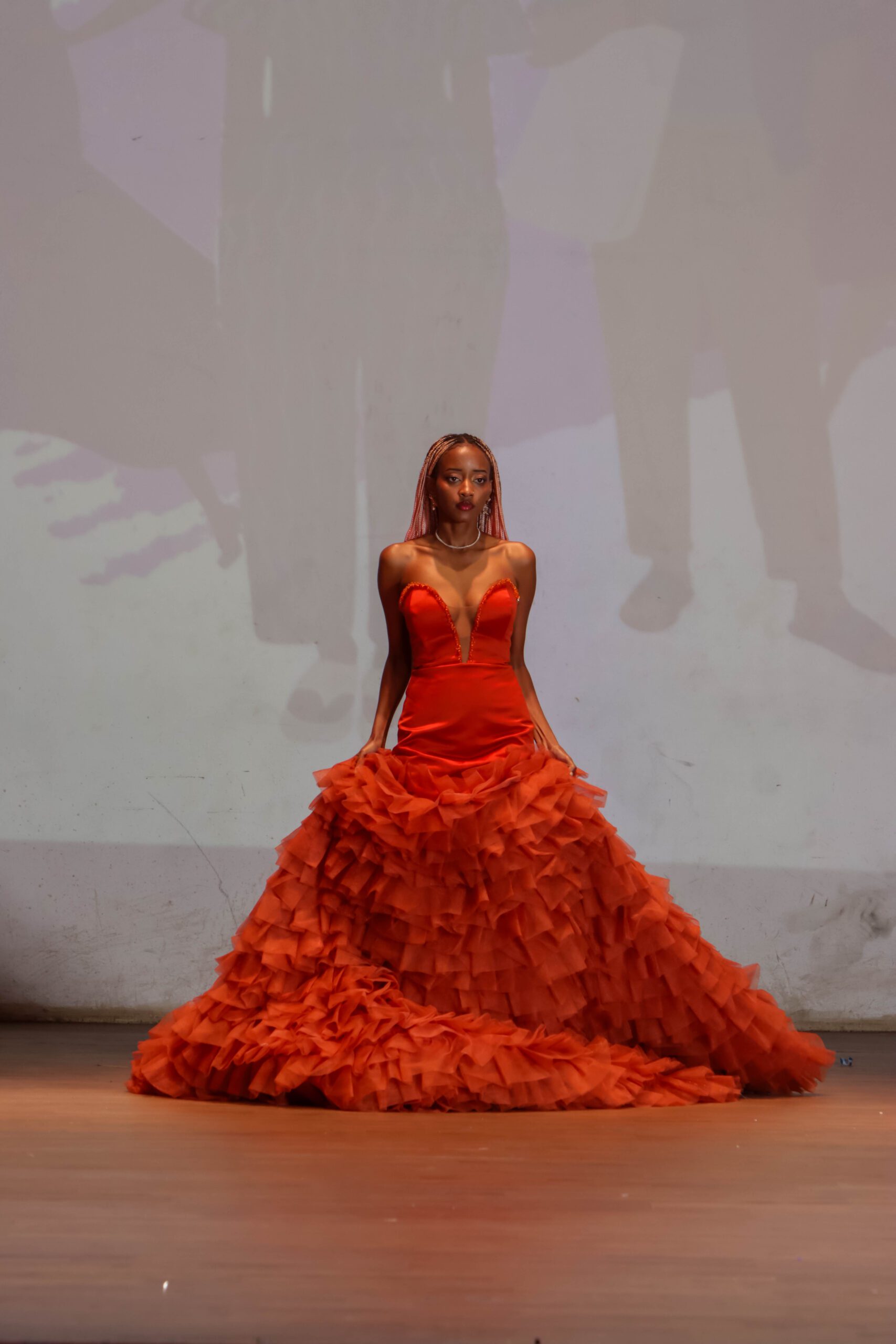
Dressmaking is about imagination made real — from the swish of a skirt to the elegance of a bodice that captures a client’s personality.
- Different Garments, Different Challenges
A good rule of thumb:
- Tailors excel at structured garments often associated with formal attire — think suits, blazers, and custom jackets.
- Dressmakers specialize in garments that emphasize design, movement, and expressive form — such as dresses and skirts.
That doesn’t mean one craft is better — just different. And in the real world, many professionals blend both skills, creating hybrids that can do everything from mending to full‑scale couture.
- Similarities — A Shared Foundation
Despite the differences, tailoring and dressmaking also share a common heart:
- Both begin with measurement and understanding the body.
- Both rely on pattern making and garment construction.
- Both require expert handling of fabrics and techniques.
So even as they diverge in focus, tailoring and dressmaking are siblings in craft, bound by shared skills and the same love for fabric.
III. Why Both Matter in Today’s Fashion Landscape
In our modern world, the fashion industry is a vast ecosystem. It includes luxury houses, ready‑to‑wear brands, handmade couture, and everything in between. In Africa and globally, the demand for both tailored and dressmade garments continues to grow, for reasons that go beyond style:
- Personal Identity and Cultural Expression
In many African cultures, clothing communicates:
- Heritage
- Status
- Belonging
And whether it’s a sharply tailored suit or a beautifully draped gown, dressmakers and tailors carry these stories forward — stitching identity into every seam.
- Economic Opportunities
Tailors and dressmakers form the backbone of local fashion economies. Their skills are essential:
- Microbusiness owners thrive selling tailored or custom dresses.
- Fashion houses depend on both crafts for quality garments.
- Designers rely on trained hands to bring sketches to life.
This is especially meaningful in places like Kenya, where fashion and textile industries offer not just jobs, but avenues for entrepreneurship and self‑expression.
- Enter Delight Technical College: Where Craft Meets Future
Now let’s bring this story home — to a place where Tailoring and Dressmaking are not abstract concepts but living, breathing disciplines that shape futures.
Delight Technical College in Nairobi is one of those institutions that understands this well — blending technical rigor with creative inspiration so students can thrive in both crafts.
- A Holistic Curriculum — Beyond Just Stitching
At Delight, the focus is not just on how to sew, but why each technique matters. Students learn:
- Fashion design principles
- Garment making and tailoring techniques
- Pattern drafting
- Fitting and alterations
- Fabric selection and textile science
This curriculum nurtures versatility — so a learner can tailor a suit one day and create a bespoke dress the next.
- Rooted in Craft, Tuned to Industry
Delight trains students not only in traditional skills but also in:
- Entrepreneurship
- Brand building
- Client relations
- Market understanding
This means learners don’t just leave with stitches in their hands — they leave with a vision for their craft and a business mindset to match.
- Bridging Theory and Practice
Learning here isn’t confined to books or classroom lectures. Students are immersed in real projects — from tailoring samples to making fashion pieces that could be showcased or sold.
This blend of practice, critique, and real‑world application is what prepares students to walk into a fashion world that’s competitive, dynamic, and deeply creative.
- The Stories Behind the Seams
What makes tailoring and dressmaking powerful isn’t just stitchwork — it’s the stories they carry.
Imagine:
- A young entrepreneur stitching bespoke suits for professionals in Nairobi.
- A dressmaker creating bridal wear that becomes part of someone’s most cherished memory.
- A student turning a passion into a thriving boutique brand.
These are the narratives that Delight Technical College helps students write — stories of craft, confidence, and transformation.
Conclusion: Which Path Will You Take?
Whether your heart beats for the precision of tailored seams or the flowing lines of dressmaking, one thing is clear:
Both crafts matter.
Both are bridges between imagination and reality.
Both are paths to creative fulfillment and economic empowerment.
And both can change your life — especially when learned in a place that cares as much about your heart as your hands.
Call to Action: Begin Your Craft, Shape Your Future
Are you inspired by the precision of tailoring, the creativity of dressmaking, or both?
Do you dream of creating garments that tell stories, shape identities, and make people feel confident?
Then your journey begins here — at Delight Technical College.
Explore our Fashion, Tailoring & Dressmaking programs
Learn the craft and business of clothing creation
Build a future where your skills shape the fashion industry
Enroll today — and stitch your story into the legacy of fashion.