
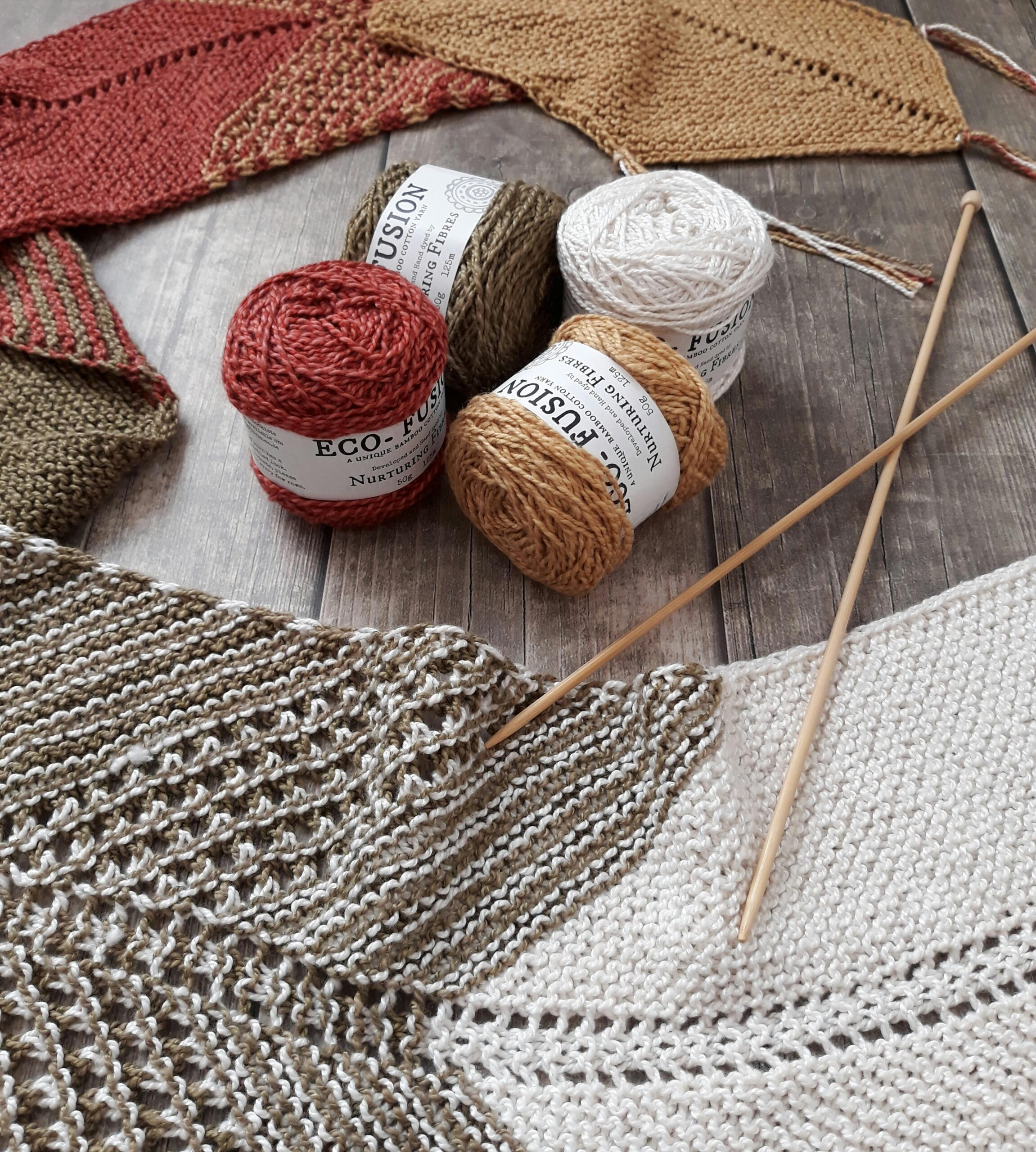
Knitting & Textile Production Courses in Kenya – Complete Guide
Introduction: From Yarn to Industry — Why Textile Skills Matter Today
Every garment you wear began as an idea — but before it became fashion, it was fabric. Before it became fabric, it was textile. And before textile, it was thread transformed through technique.
That transformation is the science and art of knitting and textile production.
Across Kenya and the global fashion economy, textile skills are becoming increasingly valuable as industries shift toward local manufacturing, sustainable production, and skilled craftsmanship. Designers, entrepreneurs, and manufacturers now recognize that controlling fabric production gives them creative freedom, cost efficiency, and competitive advantage.
For aspiring creatives, learning knitting and textile production is more than acquiring a craft — it is entering the foundation of the entire fashion and apparel industry.
One of the institutions equipping students with these practical industry skills is Delight Technical College, known for competency-based technical training designed to prepare learners for real-world employment and entrepreneurship.
This complete guide explains everything you need to know about studying knitting and textile production in Kenya — including course content, equipment training, career opportunities, business potential, and why textile knowledge is one of the smartest skills to learn today.
hat Is Knitting and Textile Production?
Textile production is the process of creating fabric from fibers or yarn through mechanical or manual techniques. Knitting is one of the primary methods of fabric construction.
Knitting Defined
Knitting is a technique that forms fabric by interlocking loops of yarn using needles or machines. Unlike woven fabric, knitted textiles are:
- Stretchable
- Flexible
- Comfortable
- Breathable
This makes them ideal for garments such as:
- Sweaters
- Socks
- Sportswear
- Baby clothing
- Scarves
- Hats
Textile Production Defined
Textile production is the broader process that includes:
- Fiber preparation
- Yarn spinning
- Fabric formation
- Dyeing
- Finishing
- Quality control
Learning both knitting and textile production gives students full control over fabric creation — from raw material to finished cloth.
Why Study Textile Production in Kenya?
Kenya’s textile and apparel industry is expanding, driven by local manufacturing initiatives, export opportunities, and increased demand for locally produced garments.
Learning textile production locally offers several advantages:
- Growing Manufacturing Sector
Kenya continues to invest in domestic textile manufacturing, creating demand for skilled technicians.
- Rising Demand for Local Fabrics
Consumers increasingly prefer locally made fabrics and garments.
- Fashion Industry Growth
Kenya’s fashion scene is expanding rapidly, requiring textile specialists.
- Entrepreneurship Opportunities
Skilled textile producers can start small-scale production businesses.
- Export Potential
Textile products are globally tradable goods.
Why Professional Training Matters
Many people try to learn knitting through online tutorials or informal training. While this can teach basics, professional training provides structured technical knowledge essential for industry work.
Formal training teaches:
- Yarn selection science
- Fabric structure analysis
- Machine operation
- Production planning
- Textile finishing
- Quality standards
- Industrial safety
- Production efficiency
Without proper training, learners often struggle with:
- Uneven stitches
- Fabric distortion
- Incorrect tension
- Weak structures
- Low durability
- Production errors
Professional courses ensure learners gain both technical mastery and industry-level precision.
What You Learn in Knitting & Textile Production Courses
A well-structured course progresses from beginner concepts to advanced textile engineering fundamentals.
Module 1 — Fiber Knowledge
Students begin by understanding raw materials used in textile production:
- Cotton
- Wool
- Polyester
- Silk
- Nylon
- Acrylic
- Blended fibers
They learn fiber characteristics such as strength, elasticity, moisture absorption, and durability.
Module 2 — Yarn Formation
This stage teaches how fibers become yarn through spinning processes.
Topics include:
- Yarn types
- Twist direction
- Yarn count
- Strength testing
- Texture properties
Understanding yarn science is essential for predicting fabric behavior.
Module 3 — Knitting Techniques
Students learn both manual and mechanical knitting methods.
Skills include:
- Hand knitting basics
- Stitch formation
- Pattern reading
- Loop control
- Gauge measurement
- Tension balancing
They also learn how different stitches affect fabric structure and appearance.
Module 4 — Machine Knitting
Modern textile production requires machine operation skills.
Students learn:
- Machine setup
- Needle positioning
- Yarn feeding
- Pattern programming
- Machine maintenance
- Troubleshooting
Machine knitting increases productivity and prepares students for industrial environments.
Module 5 — Fabric Construction Science
Students explore how fabric structure influences:
- Stretch
- Thickness
- Texture
- Durability
- Comfort
They analyze different knit structures such as:
- Plain knit
- Rib knit
- Interlock knit
- Purl knit
Module 6 — Textile Design Principles
Textile production is both technical and creative. Students learn:
- Pattern design
- Color theory
- Fabric aesthetics
- Surface texture design
- Fabric composition
This module helps students create visually appealing fabrics.
Module 7 — Dyeing and Finishing
Fabric finishing determines final appearance and quality.
Students study:
- Dyeing techniques
- Color fixation
- Fabric softening
- Shrink control
- Wrinkle resistance
- Waterproofing
Module 8 — Quality Control
Industrial textile production requires strict quality standards.
Students learn:
- Defect detection
- Fabric testing
- Strength analysis
- Measurement accuracy
- Industry quality standards
Module 9 — Product Development
Learners apply their knowledge to create finished textile products such as:
- Knit garments
- Accessories
- Fabric samples
- Textile prototypes
Module 10 — Portfolio Development
Students build professional portfolios showcasing:
- Fabric samples
- Design swatches
- Knitting samples
- Textile experiments
A strong portfolio helps secure jobs or clients.
Teaching Approach Used in Practical Training Institutions
Effective textile education emphasizes hands-on experience.
Strong programs use:
- Workshop learning
- Practical demonstrations
- Guided production sessions
- Instructor feedback
- Project-based assessments
Students spend more time producing textiles than reading about them.
This practical approach builds real competence rather than theoretical knowledge alone.
Entry Requirements
Knitting and textile production courses are accessible to many learners.
Typical admission requirements include:
- KCPE or KCSE certificate (any grade)
- Identification document
- Passport photos
- Application form
Because textile skills are practical, institutions often accept students from diverse academic backgrounds.
Course Duration Options
Different learners choose different training lengths depending on their goals.
Typical study options include:
| Program Type | Duration |
| Short course | Weeks to months |
| Artisan level | About 1 year |
| Certificate level | Up to 2 years |
| Diploma level | Around 2 years |
Short courses focus on specific techniques, while long programs provide full industry preparation.
Tuition Costs
Affordable training is important for accessibility.
At institutions offering structured technical programs, tuition for fashion and textile courses may average around Ksh 40,000 per term, making professional skill development achievable for many students.
Additional fees may include:
- Examination fees
- Attachment fees
- Registration fees
Flexible payment plans help students complete training comfortably.
Equipment Students Learn to Use
Textile production courses train students to operate professional tools.
Hand Tools
- Knitting needles
- Crochet hooks
- Yarn winders
- Stitch markers
- Measuring tapes
Machine Equipment
- Knitting machines
- Yarn feeders
- Tension regulators
- Industrial textile machines
Laboratory Tools
- Fabric testers
- Dye vats
- Steam presses
- Drying systems
Learning to operate this equipment prepares students for industrial workplaces.
Skills You Gain from Textile Training
Professional textile education develops multiple competencies.
Technical Skills
- Stitch accuracy
- Machine operation
- Fabric analysis
- Production planning
- Quality control
Creative Skills
- Pattern design
- Texture experimentation
- Color blending
- Textile styling
Professional Skills
- Time management
- Production efficiency
- Project planning
- Cost estimation
Career Opportunities After Training
Graduates with knitting and textile production skills can work in many industries.
Possible career paths include:
- Textile technician
- Knitwear designer
- Garment production assistant
- Fabric quality inspector
- Textile machine operator
- Fashion production specialist
- Product developer
- Textile consultant
These roles exist in factories, fashion houses, export companies, and design studios.
Freelancing Opportunities
Many textile graduates choose self-employment.
Freelance services may include:
- Custom knitwear production
- Textile sampling
- Fabric design
- Pattern development
- Small-batch manufacturing
Freelancing allows flexible work schedules and scalable income.
Entrepreneurship Potential
Textile production is one of the best creative skills for business startup because it allows entrepreneurs to produce their own materials instead of buying expensive fabrics.
Business ideas include:
- Knitwear brands
- Fabric supply businesses
- Textile printing ventures
- Yarn production
- Textile accessories
- Handmade clothing lines
With the right training, students can launch profitable textile enterprises.
Why Textile Knowledge Gives Designers an Advantage
Fashion designers who understand textile production gain creative independence. Instead of relying on available fabrics, they can design their own.
Benefits include:
- Unique materials
- Custom textures
- Brand identity fabrics
- Lower production costs
- Creative control
Designers with textile knowledge often stand out in the fashion industry because they control both design and material.
Student Learning Experience
Students trained in practical environments benefit from:
- Interactive workshops
- Collaborative projects
- Production simulations
- Instructor mentoring
- Creative experimentation
These experiences help build confidence and real-world readiness.
Why Employers Value Textile Skills
Employers prefer graduates who can:
- Operate machines efficiently
- Identify fabric defects
- Meet production deadlines
- Maintain quality standards
- Work safely in production environments
Professional training ensures graduates meet industry expectations.
Studying Textile Production in Nairobi
Nairobi is an ideal location for textile training because students gain access to:
- Fabric markets
- Suppliers
- Fashion designers
- Manufacturing workshops
- Industry events
This exposure allows students to understand real market demands while studying.
Who Should Take This Course?
Knitting and textile production training is ideal for:
- Fashion students
- Designers
- Tailors
- Entrepreneurs
- Artists
- Beginners
- Textile enthusiasts
- Production workers
No prior textile experience is required to start learning.
The Future of Textile Careers
The global fashion industry is moving toward:
- Sustainable textiles
- Smart fabrics
- Local manufacturing
- Ethical production
- Custom fabric development
Skilled textile professionals will be essential in shaping this future.
How to Apply
Application typically involves:
- Completing registration form
- Submitting academic documents
- Providing identification
- Paying registration fees
Required documents usually include:
- Academic certificate copy
- ID copy
- Passport photos
Applicants can apply by visiting campus or contacting admissions.
Why Choose Delight Technical College for Textile Training?
Students choose this institution because it offers:
- Accredited programs
- Hands-on training
- Industry-aligned curriculum
- Experienced instructors
- Flexible schedules
- Modern facilities
- Career guidance
- Entrepreneurship training
- Supportive learning environment
These features ensure graduates leave with practical skills and real career readiness.
Final Thoughts
Knitting and textile production are more than creative hobbies — they are professional skills that power entire industries. From fashion design to manufacturing, textile knowledge sits at the core of garment production.
Learning these skills provides:
- Career opportunities
- Business potential
- Creative independence
- Industry relevance
- Financial sustainability
For students who want a practical, future-ready skill set, textile training is one of the smartest educational investments available today.
Whether your goal is employment, freelancing, or entrepreneurship, mastering textile production gives you the ability to create, innovate, and build a sustainable career in the fashion and manufacturing industries.