
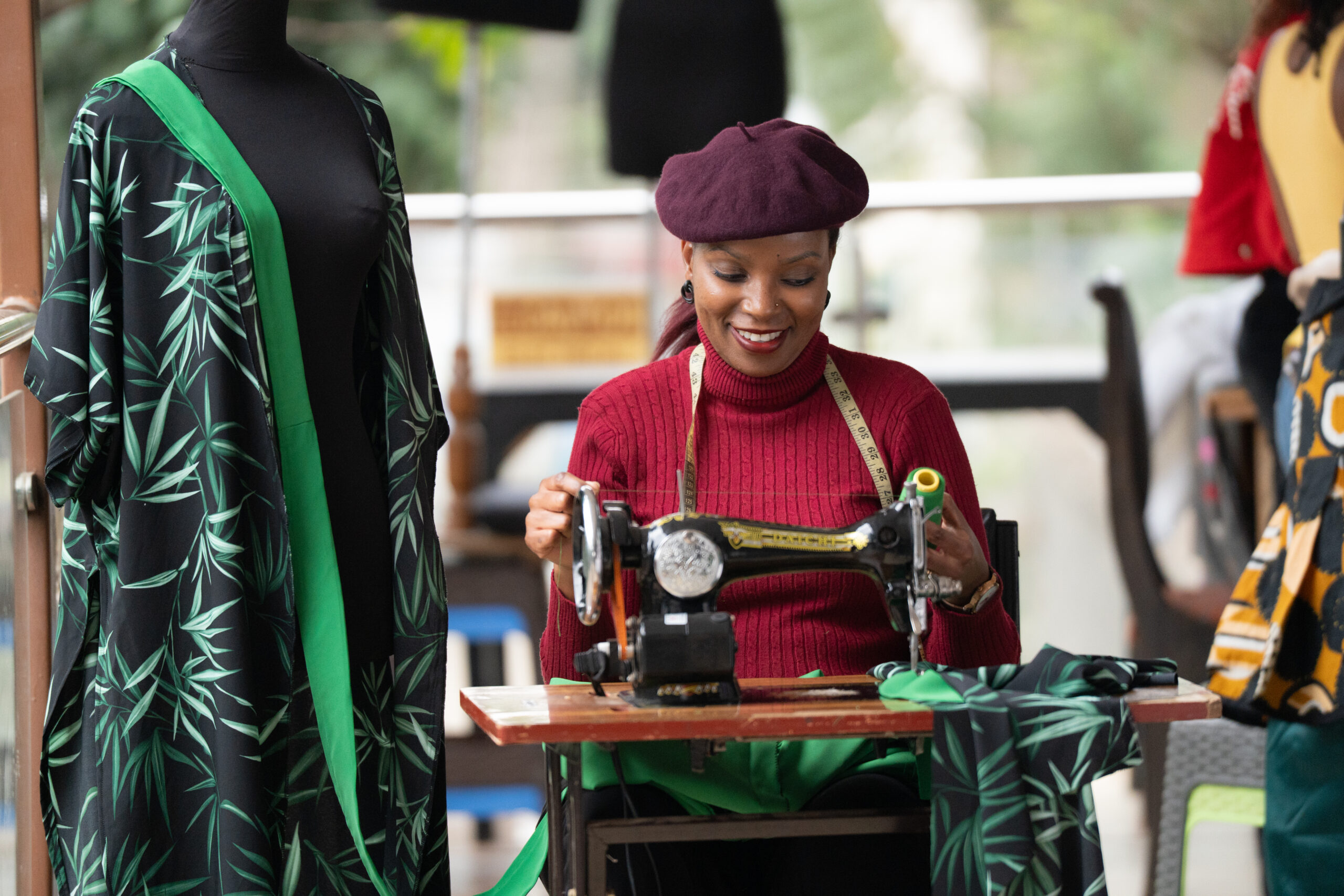
Fashion Design as a Cultural Practice: How Delight Celebrates African Identity Through Clothing
By Delight Technical College | School of Tailoring, Fashion & Design | 2026
Fashion is never just about clothes. Every garment that has ever been made carries with it the culture, history, values, and identity of the people who made it and the people who wear it. This is particularly true in Africa where textile traditions, clothing practices, and personal adornment are deeply woven into cultural identity, social structure, and spiritual life. At Delight Technical College, fashion is taught not only as a technical skill and a commercial practice but as a cultural act (one that carries meaning far beyond its material form).
🌍 The Cultural Richness of East African Textiles
Kanga:
The kanga is one of East Africa’s most iconic textiles, a brightly printed rectangular cloth worn across Kenya, Tanzania, Uganda, and beyond. Distinguished by its bold border design and central motif, the kanga is most recognisably associated with the Swahili proverb printed along its edge making it one of the world’s few garments that literally speaks. Kangas are worn as wraparound garments, head coverings, baby carriers, and household textiles each use carrying cultural significance.
Kikoy:
A striped, woven cotton cloth with roots in the Kenyan coast, traditionally worn by men as a wraparound but increasingly adopted across gender boundaries and into contemporary fashion. The kikoy’s distinctive striped pattern and lightweight texture make it both culturally specific and aesthetically versatile.
Ankara and Kitenge:
Wax-printed cotton fabrics that have become symbols of pan-African identity and aesthetic pride. Ankara prints, with their bold, graphic patterns are worn across the continent and internationally. In Kenya, kitenge is a staple of formal and celebration wear, particularly for women, and features prominently in political, religious, and cultural events.
Maasai Textiles and Beadwork:
Among the most globally recognised African aesthetic traditions, the red shuka (blanket/wrap), the intricate multi-strand beadwork of the Maasai communicates age, status, marital state, and identity through a sophisticated colour-coding system. Maasai beadwork has been adopted and celebrated by the global fashion industry while remaining a living, functional cultural practice.
🎓 How Delight Integrates Cultural Fashion Training
- African textile handling- the specific cutting, construction, and care requirements of kanga, kitenge, and wax prints
- Cultural garment construction- traditional and contemporary approaches to African formal wear
- Fabric decoration in African traditions- beadwork, embroidery, and surface design rooted in East African practice
- Fashion history- the evolution of East African dress from pre-colonial traditions to contemporary fashion
- African fashion entrepreneurship- building businesses that celebrate and sell African aesthetics
✊ The Politics of African Fashion
African fashion is not politically neutral. The choice to wear African prints in professional context like boardrooms, weddings, formal events, is often a conscious act of cultural assertion: a statement that African aesthetics are not inferior to Western dress codes, that African identity is something to celebrate rather than conceal. Delight students are encouraged to engage with this political dimension of their craft thoughtfully and confidently.
🌐 African Fashion in the Global Market
The global fashion industry’s relationship with African aesthetics has long been extractive appropriating African designs and motifs without acknowledging or compensating the cultural sources. This is changing, and African designers are increasingly asserting their intellectual and creative ownership over their own traditions. Delight graduates who become professional fashion designers are entering this landscape with both the skills and the cultural grounding to participate in it authentically and powerfully.
“When a Delight graduate designs a garment that draws on East African textile traditions, they are not just making clothes, they are continuing a conversation that has been happening for centuries. At Delight, we teach them to continue it with knowledge, skill, and pride.”
📍 Delight Technical College | Muindi Mbingu Street, Opposite Jevanjee Gardens, Nairobi | +254 722 533 771 | www.delight.ac.ke