
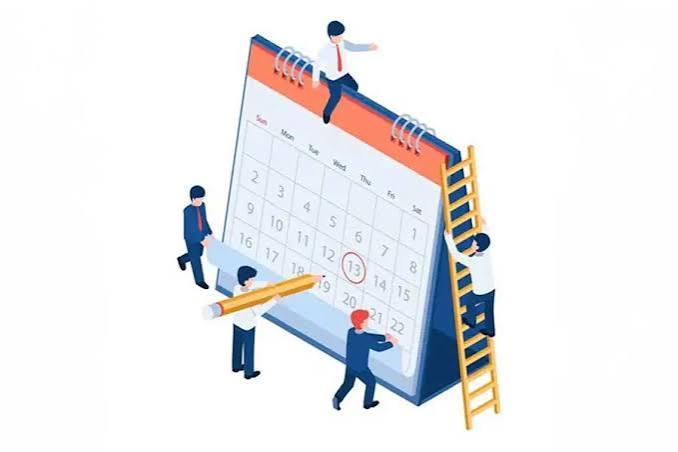
Editorial Calendar Planning for Digital Publications: How Delight Journalism Students Learn Content Strategy
By Delight Technical College | School of Media & AI- Digital Journalism | 2026
Behind every successful digital publication’s content output lies a deliberate editorial calendar. A planning structure that ensures content is produced consistently, strategically aligned with audience interest and seasonal relevance, and balanced across different content types and topics. Editorial calendar planning is a practical organisational skill that Delight Technical College Digital Journalism students develop as part of their preparation for professional newsroom and digital media work.
📅 What Is an Editorial Calendar?
An editorial calendar is a planning document that schedules content production and publication in advance identifying what content will be published when, who is responsible for producing it, and how it fits into the broader content strategy of a publication or media brand.
🎯 Why Editorial Calendars Matter
- Ensuring consistent publication frequency, which is essential for building and retaining audience habits and platform algorithm favour
- Balancing content types like breaking news, features, opinion, multimedia to serve diverse audience interests rather than over-relying on a single format
- Planning around predictable seasonal and calendar events- elections, major sporting events, cultural and religious calendars, anniversaries of significant events
- Coordinating multiple contributors and content creators, ensuring clear accountability for what is due when
- Avoiding content gaps or unintentional topic clustering (publishing five similar stories in one week, then nothing relevant for two weeks)
📋 Building an Editorial Calendar
Identifying Content Pillars:
Most successful publications organise their content around defined pillars or categories. For a general Kenyan news publication, this might include politics, business, culture, sport, and opinion. For a more specialised publication, pillars might be more specific subject areas. These pillars provide structure for ensuring content variety.
Mapping the Calendar Year:
Identifying known, predictable events and dates relevant to the publication’s audience like elections, budget announcements, major sporting tournaments, religious and cultural holidays, anniversaries of significant historical events and planning relevant content around these predictable moments in advance.
Balancing Planned and Reactive Content:
While much editorial calendar content can be planned weeks or months in advance, journalism must also remain responsive to breaking news and emerging stories. Effective editorial calendars build in flexibility for reactive content while maintaining a planned baseline of scheduled material.
Assigning Responsibility and Deadlines:
Each calendar item should have clear ownership (who is researching, writing, editing, and publishing) with realistic deadlines that account for the full production process, not just the writing itself.
🛠️ Tools for Editorial Calendar Management
- Spreadsheet-based calendars- accessible, flexible, and widely used even in sophisticated newsrooms
- Dedicated content planning tools- Trello, Asana, Notion, and similar project management platforms adapted for editorial use
- Shared digital calendars integrated with team communication tools
🎓 Editorial Planning at Delight
Delight’s Digital Journalism programme incorporates editorial calendar planning as part of broader content strategy training ensuring graduates understand journalism not just as individual story production, but as part of a coordinated, strategically planned content operation that any professional newsroom or digital publication requires.
“Great individual stories matter but a great publication requires the discipline of consistent, strategic content planning around those stories. At Delight, we prepare journalists who understand both the craft of writing and the discipline of publication strategy.”
📍 Delight Technical College | Muindi Mbingu Street, Opposite Jevanjee Gardens, Nairobi | +254 722 533 771 | www.delight.ac.ke