
Colour in Motion: Using Colour Grading Across Video Transitions
By Delight Technical College | School of Media & AI- Film Production | 2026
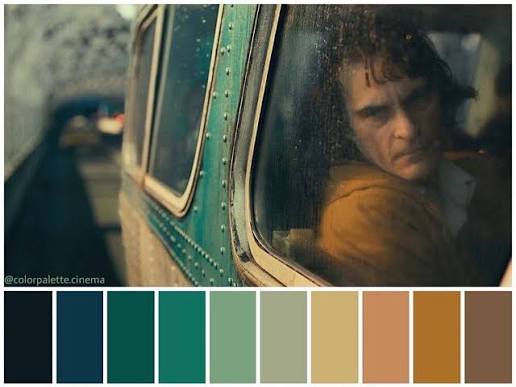
Colour grading is often discussed as a single, uniform operation applied to an entire film or video but sophisticated colour work is far more nuanced, using deliberate colour shifts, transitions, and contrasts between scenes to communicate narrative and emotional meaning. Delight Technical College’s Film Production and Videography programmes address colour grading not just as a technical process but as a narrative and emotional tool.
🎨 Colour as Storytelling
The most memorable film colour work is not simply attractive, it is meaningful. Consider how specific colour contrasts and transitions serve narrative purposes:
- A warm, golden-toned past-tense memory sequence cutting to a cooler, desaturated present-day scene communicates time, loss, and the emotional difference between the two moments
- A character’s world gradually shifting from vibrant, saturated colour to muted desaturation as their situation deteriorates communicates deterioration without a word of dialogue
- A climactic moment punctuated by a sudden, dramatic colour shift to high contrast or unusual colour temperature creates visual impact that editing timing alone cannot achieve
🔄 Colour Continuity Within Scenes
Within individual scenes and sequences, colour must remain visually consistent across different shots, even though lighting conditions may have varied during filming. This is one of the primary functions of technical colour correction (ensuring that shots that were filmed with slightly different exposures, white balances, or ambient light appear visually matched in the final cut).
🌟 Deliberate Colour Transitions Between Scenes
Hard Colour Shifts:
An abrupt, intentional change in colour palette between two adjacent scenes, used to communicate a significant shift in time, location, character perspective, or emotional reality. The contrast between the two palettes is often more important than either palette individually.
Gradual Colour Evolution:
A film whose colour palette gradually shifts across its runtime, perhaps becoming progressively more desaturated, or progressively warmer, in parallel with the story’s emotional arc, uses colour as a long-form storytelling device that operates almost subconsciously on the audience.
Character-Associated Colour:
Associating specific colour characteristics with specific characters like a warm, golden palette following one character through various settings; a cooler, more blue-tinged treatment following another, allows colour to reinforce character identification even during complex cross-cutting sequences.
🛠️ Tools for Colour Work at Delight
DaVinci Resolve is Delight’s primary colour grading tool, an industry-standard application whose colour work capabilities extend from basic technical correction through sophisticated, node-based creative grading workflows. Film Production students learn to use Resolve’s powerful tools for both technical and creative colour work.
🎓 How Colour Grading Is Taught at Delight
Film Production students at Delight engage with colour grading in the context of their own short film productions learning not just technical correction but how deliberate colour choices support and enhance the specific stories they are telling.
“The finest film colour work is invisible when it succeeds and distracting when it fails. At Delight, we train filmmakers who use colour intentionally, purposefully, and in service of the story they are telling.”
📍 Delight Technical College | Muindi Mbingu Street, Opposite Jevanjee Gardens, Nairobi | +254 722 533 771 | www.delight.ac.ke