
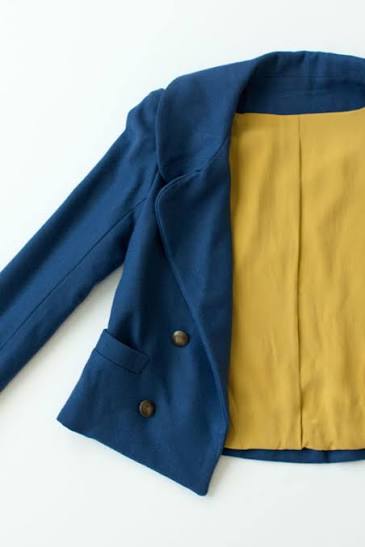
Collars, Pleats, Linings and Facings: Style Details That Prove Your Competence
By Delight Technical College | School of Tailoring, Fashion & Design- RPL | 2026
Ask a master tailor how to judge a garment quickly and you will hear the same answer: look at the details. A collar that lies flat, pleats that fall evenly, a lining that does not pull, a facing that stays hidden etc, these small things separate careful work from rushed work. They are also the details an assessor will notice when you demonstrate your skill in Styled Garments Production through Recognition of Prior Learning (RPL).
👔 Collars
Collars frame the face and are among the hardest parts of a garment to get right. A competent maker can:
- Cut and interface the collar pieces accurately
- Match both sides so the points are identical
- Turn, trim and press the points sharply
- Attach the collar to the neckline without twisting or puckering
- Choose a collar style that suits the garment and the fabric
📐 Pleats and Gathers
Pleats control fullness in a clean, planned way. Common types include knife pleats, box pleats and inverted pleats. Gathers do the same job more softly. Skilled work shows:
- Accurate marking and folding of every pleat
- Even spacing and consistent depth
- Pleats secured and pressed so that they fall correctly
- Gathers distributed evenly rather than bunched in one area
🧥 Linings and Interfacing
Linings make a garment more comfortable, help it hang well and hide internal seams. Interfacing gives collars, cuffs and waistbands the structure they need. Competence includes:
- Choosing a lining and interfacing that suit the fabric weight
- Cutting the lining so it moves with the body without pulling the outer fabric
- Attaching the lining so it does not show at hems, openings or necklines
🪡 Facings and Finishes
Facings finish raw edges at necklines, armholes and openings. A good facing lies flat and stays out of sight. Skilled makers understand stitching, trimming and understitching, and they know how to press edges so that they do not roll outward.
🎓 Where This Fits in the Delight Learning Guide
Unit 4: Styled Garments Production
- Module II | Level 4 (Certificate) | Term Two
🔎 How an Assessor May Test These Skills
- Asking you to make a sample collar, pleat or facing under observation
- Examining a finished garment from your portfolio, inside and out
- Asking why you chose a particular technique or fabric
- Checking whether you can identify and correct a fault, such as a collar that rolls or a lining that is too tight
💡 Build a Sample Book
One of the easiest ways to prepare is to keep a sample book. Make small swatches of each technique (a collar, a set of pleats, a facing, a lined edge) mount them on card, and label them. A sample book is portable, easy for an assessor to examine and a useful reference for your own work.
🗓️ Practise With Small Samples
You do not need a full garment to practise. Over a few evenings, use offcuts to make a sample collar, a small pleated panel, a faced neckline and a lined edge. Time yourself, check the back as carefully as the front, and keep your best samples together. Being able to repeat each technique on demand reduces nerves on assessment day, and the finished samples make a neat, portable piece of evidence.
“The details are where a garment tells the truth about its maker. RPL gives you the chance to let your details speak.”
💡 Want to see how your detail work could count towards Level 4? Call +254 722 533 771 or visit Delight Technical College, Muindi Mbingu Street, Nairobi.
📍 Delight Technical College | Muindi Mbingu Street, Opposite Jevanjee Gardens, Nairobi | +254 722 533 771 | www.delight.ac.ke