Tie and Dye Artisans: Turning Market-Stall Experience Into a Nationally Recognised Certificate
By Delight Technical College | School of Tailoring, Fashion & Design- RPL | 2026
Imagine a young woman who started tie and dye as a weekend hobby, selling scarves and tops from a small stall. Over time the hobby became a business. She now dyes fabric for friends, local boutiques and school events. She knows which folds create which patterns, how to get colours that stay bright after washing, and how to price a batch. What she does not have is a certificate. This is where Recognition of Prior Learning (RPL) and the unit Fabric Decoration (Tie & Dye and Printing) come in.
🎨 What the Unit Is About
Fabric Decoration (Tie & Dye and Printing) is about adding colour and pattern to cloth. On the tie and dye side, competence usually includes:
- Preparing fabric properly, including washing and removing finishes that block dye
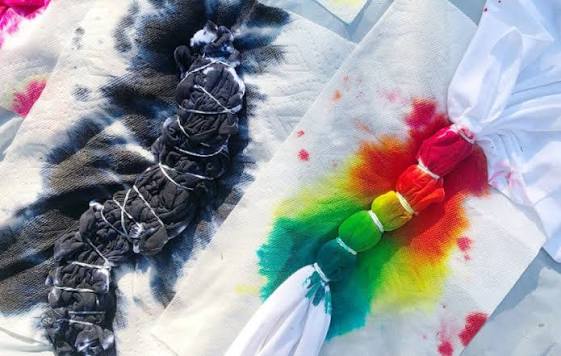
- Folding, twisting, pleating and binding fabric to create resist patterns
- Choosing a dye that suits the fibre, such as cotton or a synthetic blend
- Mixing dyes accurately and applying them in a controlled way
- Fixing the colour so that it does not run or fade
- Rinsing, drying and finishing the fabric
- Handling dyes and chemicals safely and disposing of waste responsibly
🎓 Where This Unit Sits in the Delight Learning Guide
Unit 5: Fabric Decoration (Tie & Dye and Printing)
- Module II | Level 4 (Certificate) | Term Two
- One of two Fabric Decoration units in Level 4, alongside Unit 7: Fabric Decoration (Batik and Embroidery)
🌈 Why Tie and Dye Suits RPL So Well
Tie and dye is a skill that people often learn informally (from a relative, a friend, a market trader or a video) and then refine through years of trial and error. The results are visual and easy to document. An assessor can see the finished fabric, ask how it was made and watch you repeat the process.
📸 Building Your Evidence
- Photographs of a range of finished fabrics, showing different folding and binding techniques
- Photographs of the process: the folded cloth, the dye bath, the rinsing and drying stages
- Samples of fabric, mounted on card with notes on the fibre, dye and method used
- Sales records, orders or messages from clients who bought tie and dye work
- A statement from a boutique, school or event organiser who has bought your fabrics
🧪 What You Should Be Ready to Explain
- Why did you choose this dye for this fibre?
- How do you prevent colour from bleeding into the areas that should stay white?
- What do you do when a batch comes out uneven?
- How do you test whether a colour is fast enough for repeated washing?
- How do you handle and dispose of leftover dye safely?
🚀 Your First Steps
- Gather ten to fifteen samples that show a range of patterns and colours
- Write brief notes on the method behind each
- Ask two or three clients or buyers for short written statements
- Speak to an RPL adviser about how your work matches the unit
🌿 Safety and Responsible Practice
Competence in dyeing includes working safely. An assessor may ask how you protect yourself and the environment. Good answers include wearing gloves and a mask when handling powder dyes, working in a ventilated space, keeping dyes and chemicals away from food areas, labelling and storing containers properly, and disposing of used dye water responsibly rather than pouring large amounts straight into drains or streams. If you are unsure of the safest method for a particular dye, say so and explain where you would check.
“Colour is a skill, and so is the knowledge behind it. If you can control both, you deserve a certificate that says so.”
💡 Turn your tie and dye experience into a certificate. Call +254 722 533 771 or visit Delight Technical College at Muindi Mbingu Street, Nairobi.
📍 Delight Technical College | Muindi Mbingu Street, Opposite Jevanjee Gardens, Nairobi | +254 722 533 771 | www.delight.ac.ke

You may also like