
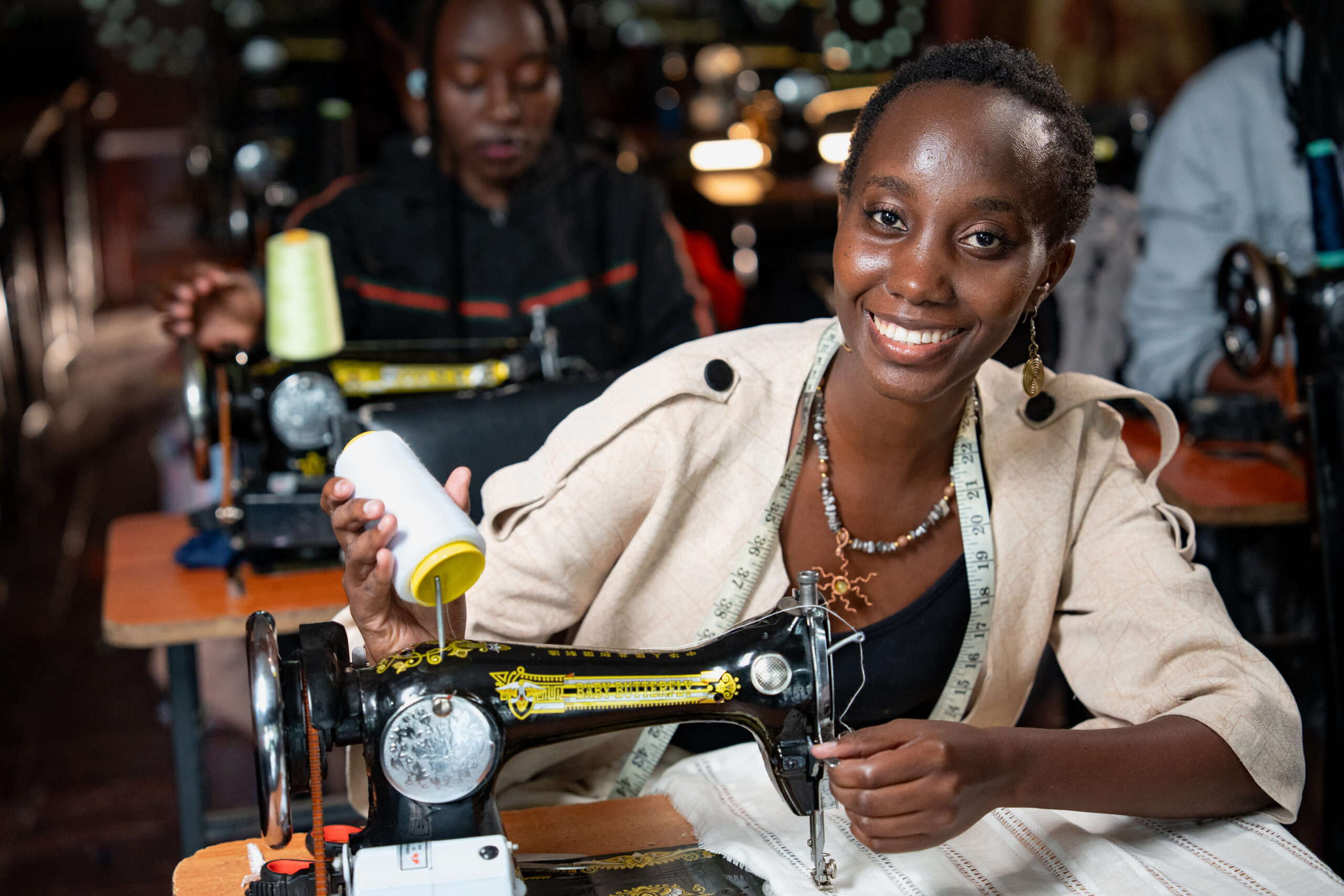
Artisan Certificate in Fashion & Design in Kenya (Complete 2026 Guide)
Introduction: Where Skill Meets Opportunity
Fashion is more than clothing. It is identity, culture, communication, and business. In Kenya’s rapidly growing creative economy, practical fashion skills are no longer optional for aspiring designers — they are essential. Many successful designers did not start with expensive degrees or international schools. They began with something simpler and more powerful: hands-on technical training.
That is exactly what an Artisan Certificate in Fashion & Design offers.
For students who want to learn practical tailoring, dressmaking, garment construction, and fashion entrepreneurship, artisan certification is one of the most strategic entry points into the fashion industry. It focuses on real skills, real tools, and real production experience — not just theory.
One institution that has built a strong reputation for delivering this kind of career-ready training is Delight Technical College, a Nairobi-based technical training institution dedicated to practical, industry-aligned education.
This guide explains everything you need to know about studying an Artisan Certificate in Fashion & Design in Kenya — including curriculum, requirements, costs, career outcomes, and why hands-on training is becoming the preferred path for future designers.
What Is an Artisan Certificate in Fashion & Design?
An Artisan Certificate is a foundational technical qualification designed to equip learners with practical skills needed to enter the workforce quickly. Unlike purely academic courses, artisan programs focus heavily on doing rather than memorizing.
In fashion training, this means students learn to:
- Draft patterns
- Cut fabrics correctly
- Operate sewing machines
- Construct garments
- Finish clothing professionally
- Understand measurements and fittings
- Repair and alter garments
- Work with clients
The goal is simple: graduate with skills you can immediately use to earn income.
Artisan programs are ideal for:
- Beginners with no fashion background
- Students who prefer hands-on learning
- Entrepreneurs who want to start tailoring businesses
- Creatives who want practical skills before advancing
- Individuals seeking fast career entry
Why Artisan Training Is Growing in Popularity in Kenya
Across Kenya, technical education is gaining recognition as a powerful alternative to traditional academic routes. Employers increasingly value demonstrable skill over theory, especially in creative and technical industries.
Several factors explain this trend:
- Skill-Based Economy
Industries now prioritize ability. If you can produce high-quality garments, clients care more about results than certificates.
- Entrepreneurial Opportunities
Fashion is one of the easiest industries to enter as a self-employed professional. With a sewing machine and skill, graduates can start earning immediately.
- Shorter Training Duration
Artisan courses typically take about one year, making them faster than diploma programs.
- Lower Cost
Compared to universities, artisan programs are significantly more affordable.
- Direct Career Application
Students graduate knowing how to work with real clients, fabrics, and production timelines.
Overview of the Artisan Fashion Program Structure
At professional technical institutions, artisan fashion programs are structured to simulate real industry work environments. Students do not just learn techniques — they practice them daily.
Typical modules include:
Garment Construction Basics
Students learn stitching methods, seam types, hemming, pressing techniques, and finishing standards.
Pattern Drafting
Understanding body measurements and converting them into accurate garment patterns.
Fabric Knowledge
Learning different textile types, fabric behavior, and appropriate usage.
Sewing Machine Operation
Training includes industrial and domestic machines, maintenance, and troubleshooting.
Dressmaking Techniques
Constructing skirts, blouses, dresses, uniforms, and simple suits.
Tailoring Techniques
Working with structured garments such as trousers, jackets, and coats.
Alterations & Repairs
A highly marketable skill that provides steady income.
Fashion Business Basics
Students learn pricing, customer service, branding, and business startup fundamentals.
Artisan Fashion Courses Offered
Within artisan-level training, students can specialize depending on their interests. Some of the main options available include:
- Fashion Design (Dressmaking) — Artisan Level
- Fashion Design (Tailoring) — Artisan Level
- Tailoring Trade Test — Artisan Certification
- Dressmaking Trade Test — Artisan Certification
- Knitting Trade Test — Artisan Certification
These programs are assessed by recognized national examining bodies such as TVET-CDACC and NITA, ensuring that graduates receive nationally respected qualifications.
Entry Requirements for Artisan Fashion Courses
One of the biggest advantages of artisan certification is accessibility. Students do not need high academic grades to enroll.
Typical minimum requirements include:
- KCPE certificate, or
- KCSE certificate (any grade), or
- Equivalent qualification recognized by KNQA
This inclusive admission approach allows more people to access technical skills training, including:
- School leavers
- Career switchers
- Entrepreneurs
- Individuals returning to education
- People who prefer practical careers
Course Duration
Artisan Fashion & Design programs generally take:
Duration: 1 Year
Within this period, students complete both classroom instruction and practical workshop training. Some institutions also include industrial attachment opportunities to help students gain real workplace experience.
Tuition Fees and Costs
Affordability is a major reason many students choose artisan programs.
For fashion and design artisan courses:
Tuition Fee: Ksh 40,000 per term
Additional administrative costs may include:
- Statutory fees: Ksh 12,000 per year
- Attachment fees: Ksh 10,000 per year
- Examination fees: Ksh 8,000 per module
Compared to university tuition, this pricing structure makes professional fashion training accessible to a broader population.
Location Advantage for Students
The learning environment matters. Students benefit significantly from studying in areas that provide easy access to materials, clients, and industry exposure.
The campus is located along Muindi Mbingu Street opposite Jevanjee Gardens, a central area that provides:
- Easy transportation access
- Nearby fabric markets
- Fashion suppliers
- Tailoring shops
- Business networking opportunities
Studying in a central business district environment exposes learners to real market dynamics from day one.
Accreditation and Recognition
Accreditation ensures that training meets national education standards. Students should always verify that their chosen institution is recognized by the government.
This college is approved by the Ministry of Education under registration number TVETA/PRIVATE/TVC/0080/2022. This approval confirms that:
- Curriculum meets national standards
- Training facilities are verified
- Instructors are qualified
- Programs are industry relevant
Accreditation protects students from enrolling in unrecognized institutions and ensures certificates are respected by employers.
Learning Approach: Why Practical Training Matters
The biggest strength of artisan training lies in its methodology.
Instead of focusing mainly on theory, students spend most of their time:
- Practicing stitching
- Drafting patterns
- Constructing garments
- Fixing mistakes
- Receiving feedback
- Improving technique
This approach builds:
- Confidence
- Speed
- Precision
- Problem-solving ability
- Professional discipline
By graduation, learners are not just knowledgeable — they are skilled.
Facilities That Support Skill Development
A strong training environment requires the right equipment. Professional technical colleges invest in facilities designed to simulate real production settings.
These typically include:
- Tailoring workshops
- Pattern drafting stations
- Fabric cutting tables
- Industrial sewing machines
- Pressing stations
- Design studios
- ICT labs
Access to modern tools allows students to train using industry-standard equipment rather than outdated methods.
Flexible Study Options
Many students cannot attend full-time classes due to work, family responsibilities, or business commitments. Flexible scheduling makes education more accessible.
Study options may include:
- Day classes
- Evening classes
- Weekend sessions
This flexibility allows learners to upgrade their skills without disrupting their existing responsibilities.
Career Opportunities After Graduation
An Artisan Certificate in Fashion & Design opens multiple career pathways.
Self-Employment
Graduates can launch tailoring businesses immediately.
Fashion Designer Assistant
Work under experienced designers to gain industry exposure.
Garment Production Staff
Employment in factories or fashion houses.
Alterations Specialist
High demand exists for clothing repair professionals.
Costume Designer Assistant
Work in film, theatre, and television production.
Uniform Production
Schools, companies, and organizations constantly need uniform designers.
Freelance Fashion Work
Designers can accept custom orders independently.
Entrepreneurship: Turning Skill Into Income
One of the strongest features of artisan training is entrepreneurship preparation. Students learn how to transform technical skill into profitable ventures.
Key business skills taught may include:
- Pricing garments correctly
- Managing fabric inventory
- Communicating with clients
- Marketing services
- Managing orders
- Creating brand identity
These skills empower graduates to become business owners rather than job seekers.
Progressive Learning Pathways
Artisan certification does not limit students. Instead, it creates a foundation for further education.
Typical progression route:
Artisan → Certificate → Diploma → Advanced Diploma
This pathway allows learners to grow gradually while gaining experience and income along the way.
Importance of Industry Exposure
Institutions that maintain partnerships with industry professionals provide students with real-world insights.
Benefits include:
- Internship placements
- Mentorship
- Portfolio development
- Job referrals
- Client exposure
Students who interact with professionals early tend to transition into the workforce faster.
Student Support Services
Strong institutions understand that success requires more than classroom learning. Support services help students stay motivated and focused.
Examples of support include:
- Career guidance
- Mentorship programs
- Internship placement assistance
- Scholarship opportunities
- Accommodation assistance
- Academic advising
These services help students overcome barriers and complete their training successfully.
Digital Skills Integration
Modern fashion design is not only about sewing. Technology now plays a major role in fashion production and marketing.
Many technical colleges integrate digital literacy training such as:
- Computer basics
- Online research skills
- Digital design tools
- Portfolio presentation
- Social media branding
Access to free WiFi and computer labs enhances students’ ability to research trends and develop professional portfolios.
Student Life and Creative Exposure
Learning becomes more effective when students are actively engaged in creative experiences. Vibrant campus life helps learners grow artistically and socially.
Activities may include:
- Fashion shows
- Design competitions
- Creative clubs
- Exhibitions
- Workshops
- Guest lectures
Such experiences help students build confidence and showcase their work.
Why Location in Nairobi Matters for Fashion Students
Nairobi is Kenya’s fashion capital. Studying fashion within the city provides major advantages:
- Access to suppliers
- Exposure to fashion events
- Networking opportunities
- Internship possibilities
- Client availability
Students studying in Nairobi gain real industry exposure that rural learners may not easily access.
Payment Process for Fees
Students typically pay tuition through official bank channels for transparency and accountability. Payments may be made to accounts such as those held with KCB Bank Kenya, ensuring secure transactions and proper documentation.
Registration Requirements
Applicants enrolling in artisan fashion courses usually submit:
- Copy of KCPE or KCSE result slip/certificate
- Copy of National ID
- Copy of birth certificate (if applicable)
- Two passport photos
This straightforward process makes enrollment simple and accessible.
Who Should Take an Artisan Fashion Course?
This program is ideal for:
- Creative individuals who enjoy working with their hands
- Entrepreneurs who want practical skills
- School leavers seeking employable training
- Fashion enthusiasts without formal training
- Designers wanting structured skill development
If you want real skills rather than theoretical study, artisan training is an excellent choice.
Common Myths About Artisan Training
Myth 1: Artisan Courses Are Only for Weak Students
Truth: Many successful designers begin with artisan skills because they prioritize practical mastery.
Myth 2: Artisan Certificates Have Low Value
Truth: Employers value competence. Skilled graduates often outperform degree holders who lack hands-on ability.
Myth 3: Artisan Training Limits Career Growth
Truth: Artisan certification is often the first step in a progressive qualification pathway.
The Future of Technical Fashion Education in Kenya
Kenya’s economy is steadily shifting toward skill-based industries. Government initiatives continue promoting technical education as a driver of employment and entrepreneurship.
Fashion, in particular, is positioned for major growth due to:
- Rising demand for custom clothing
- Expansion of fashion events
- Growth of local brands
- Increased appreciation for African textiles
- Growth of e-commerce fashion businesses
Students who acquire technical skills today are preparing for tomorrow’s opportunities.
Final Thoughts: Is an Artisan Certificate Worth It?
If your goal is to gain practical fashion skills quickly, start earning income, and build a strong creative foundation, then yes — an Artisan Certificate in Fashion & Design is absolutely worth it.
It offers:
- Practical training
- Affordable fees
- Short duration
- Career readiness
- Entrepreneurial potential
- Flexible study options
For many aspiring designers, this certification is not just a course. It is the first step toward independence, creativity, and professional success.
Apply and Start Your Fashion Journey
Prospective students can apply by visiting the Nairobi CBD campus located on Muindi Mbingu Street opposite Jevanjee Gardens or contacting admissions via phone or email.
Beginning your journey in fashion does not require waiting years or spending a fortune. Sometimes, all it takes is one practical skill — and the courage to learn it.