
You Already Communicate With Clients Every Day: RPL and Communication Skills
By Delight Technical College | School of Tailoring, Fashion & Design- RPL | 2026
Consider the last time a client brought a photograph of a dress and said, “I want something like this, but different.” Turning that sentence into a garment that makes the client happy takes skill. It involves listening, asking the right questions, explaining options, agreeing a price and a deadline, and keeping the client informed along the way. None of this is taught in a sewing lesson, yet it decides whether a client returns. The unit Communication Skills recognises this reality, and Recognition of Prior Learning (RPL) can certify the communication skills you have built at work.
🗣️ What Communication Skills Covers
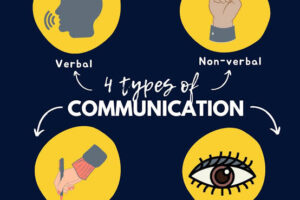
In a fashion workplace, communication includes several skills:
- Listening carefully and confirming that you have understood the client’s request
- Speaking clearly and politely, in English, Kiswahili or another language that suits the situation
- Writing clearly in messages, quotations, order forms and emails
- Using body language, tone and eye contact appropriately
- Handling disagreements and complaints calmly
- Working with colleagues, suppliers and other professionals
- Following and giving instructions accurately
🎓 Where This Unit Sits in the Delight Learning Guide
Unit 9: Communication Skills
- Module III | Level 5 (Craft) | Term Three
- One of five Term Three units, and a skill that supports every other unit in the pathway
🧵 Where Your Experience Already Shows
- Taking a client’s brief and measurements, and repeating the details back for confirmation
- Explaining why a fabric will or will not work for a design
- Negotiating a price or a deadline without losing the client
- Dealing with a late delivery or a returned garment professionally
- Giving clear instructions to an apprentice, assistant or co-worker
- Representing your business at events, markets or fashion shows
🗂️ Evidence That Shows Communication
Communication is hard to photograph, so assessors rely on a mix of evidence:
- Written messages, emails or quotations you have sent, with client details hidden
- Order forms, measurement cards or job sheets you designed and use
- Statements from clients or employers describing how you deal with customers
- Photographs or descriptions of events where you presented your work
- Records of apprentices or assistants you have trained, with a short note about how you instruct them
💬 A Few Questions an Assessor May Ask
- How do you make sure you have understood exactly what a client wants?
- What do you do when a client asks for something that will not work with the chosen fabric?
- How do you respond when a client is unhappy with a finished garment?
- How do you explain delays without damaging trust?
🚀 Preparing Yourself
- Think of two or three real situations where your communication solved a problem
- Prepare to describe each one clearly: what happened, what you did and what the outcome was
- Gather any written evidence that supports your stories
- Speak to an RPL adviser about how the assessment will be carried out
👂 Listening: The Skill Nobody Photographs
Listening is the part of communication that is easiest to overlook and hardest to prove. An assessor may observe it directly, perhaps by asking you to take a brief from a role-played client. Good listening looks like asking open questions, noting down key details, repeating the request back for confirmation and not interrupting. Practise with a friend who plays a client with an unclear idea, and see how well you draw out exactly what they want.
“A client forgives many things, but rarely forgives being ignored. Good communication keeps businesses alive and it deserves a certificate.”
💡 Ask Delight Technical College how your communication skills could be recognised through RPL. Call +254 722 533 771 or visit Muindi Mbingu Street, Nairobi.
📍 Delight Technical College | Muindi Mbingu Street, Opposite Jevanjee Gardens, Nairobi | +254 722 533 771 | www.delight.ac.ke