Working Within Religious and Cultural Dress Codes: Fashion Sensitivity for Kenyan Designers
By Delight Technical College | School of Tailoring, Fashion & Design | 2026
Kenya is a deeply religiously and culturally diverse country and fashion designers who serve this diverse market must understand and respect the dress codes, modesty considerations, and cultural sensitivities of different communities. For Delight Technical College fashion graduates, the ability to design thoughtfully within religious and cultural contexts is both an ethical responsibility and a significant business opportunity, given the size and consistency of these markets.
🕌 Islamic Fashion and Modest Wear
Kenya’s significant Muslim population, particularly concentrated along the coast and in Nairobi, creates substantial demand for fashion that respects Islamic modesty principles while remaining stylish and contemporary:
- Hijab and headscarf design- fabric selection, draping techniques, and coordinating accessories
- Abaya and modest dress design- flowing, covering silhouettes that remain elegant and well-constructed
- Modest occasion wear- formal and celebration garments that meet modesty requirements without sacrificing visual impact
- Understanding fabric choices that drape appropriately for modest coverage while remaining comfortable in Kenya’s climate
⛪ Christian and Church-Specific Dress
Kenya’s strong Christian population creates demand for fashion specific to religious observance and church culture:
- Church uniform design- many Kenyan churches and church groups (choirs, women’s guilds) have specific uniform requirements
- Baptism, confirmation, and first communion wear- occasion-specific garments with religious significance
- Conservative formal wear appropriate for church attendance and leadership roles
🌍 Traditional and Ethnic Cultural Dress
Beyond religious considerations, Kenya’s many ethnic communities have specific traditional dress requirements for ceremonies, rites of passage, and cultural events:
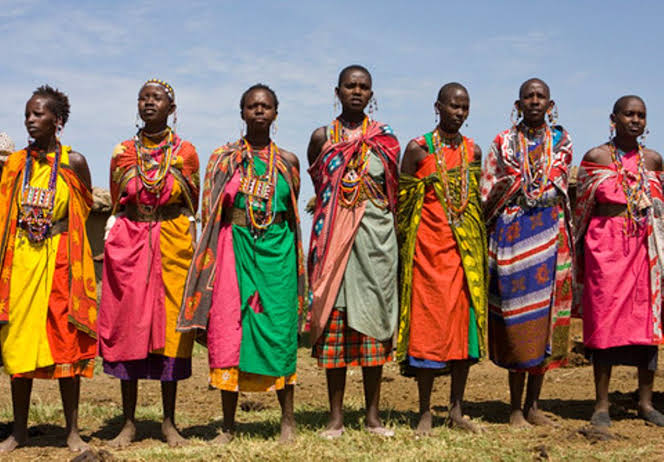
- Maasai ceremonial dress- specific shuka draping and beadwork requirements for different life stages and ceremonies
- Kikuyu, Luo, Kamba, and other community-specific traditional and ceremonial attire requirements
- Wedding ceremony dress that respects specific cultural and tribal traditions, often layered with contemporary bridal fashion
🎓 Cultural Sensitivity in Delight’s Curriculum
While Delight’s curriculum does not have a single dedicated module on religious dress codes, cultural and religious sensitivity is woven throughout the fashion programme’s engagement with African textile and design traditions, and through the genuinely diverse student and tutor community at Delight, where students learn from and alongside classmates of different cultural and religious backgrounds.
💼 Business Opportunities in Culturally Specific Fashion
- Modest fashion boutiques serving Muslim communities- a growing global market with significant Kenyan opportunity
- Church and religious organisation uniform supply- consistent, recurring institutional business
- Cultural ceremony specialist- designers known for authentic, respectful traditional ceremony attire across specific communities
- Cross-cultural occasion wear- increasingly, Kenyan weddings blend multiple cultural and religious traditions, creating demand for designers who understand and can navigate multiple dress code requirements simultaneously
🤝 Approaching Cultural and Religious Design Respectfully
- Genuinely understanding the meaning and requirements behind dress codes, not just their visual appearance
- Consulting with community members and religious leaders when designing for unfamiliar cultural contexts
- Approaching cultural fashion business opportunities with respect rather than purely commercial extraction
“Kenya’s religious and cultural diversity is not an obstacle for fashion designers to work around, it is a rich source of meaningful, commercially significant design opportunity. At Delight, we encourage graduates to approach this diversity with respect, curiosity, and genuine understanding.”
📍 Delight Technical College | Muindi Mbingu Street, Opposite Jevanjee Gardens, Nairobi | +254 722 533 771 | www.delight.ac.ke