
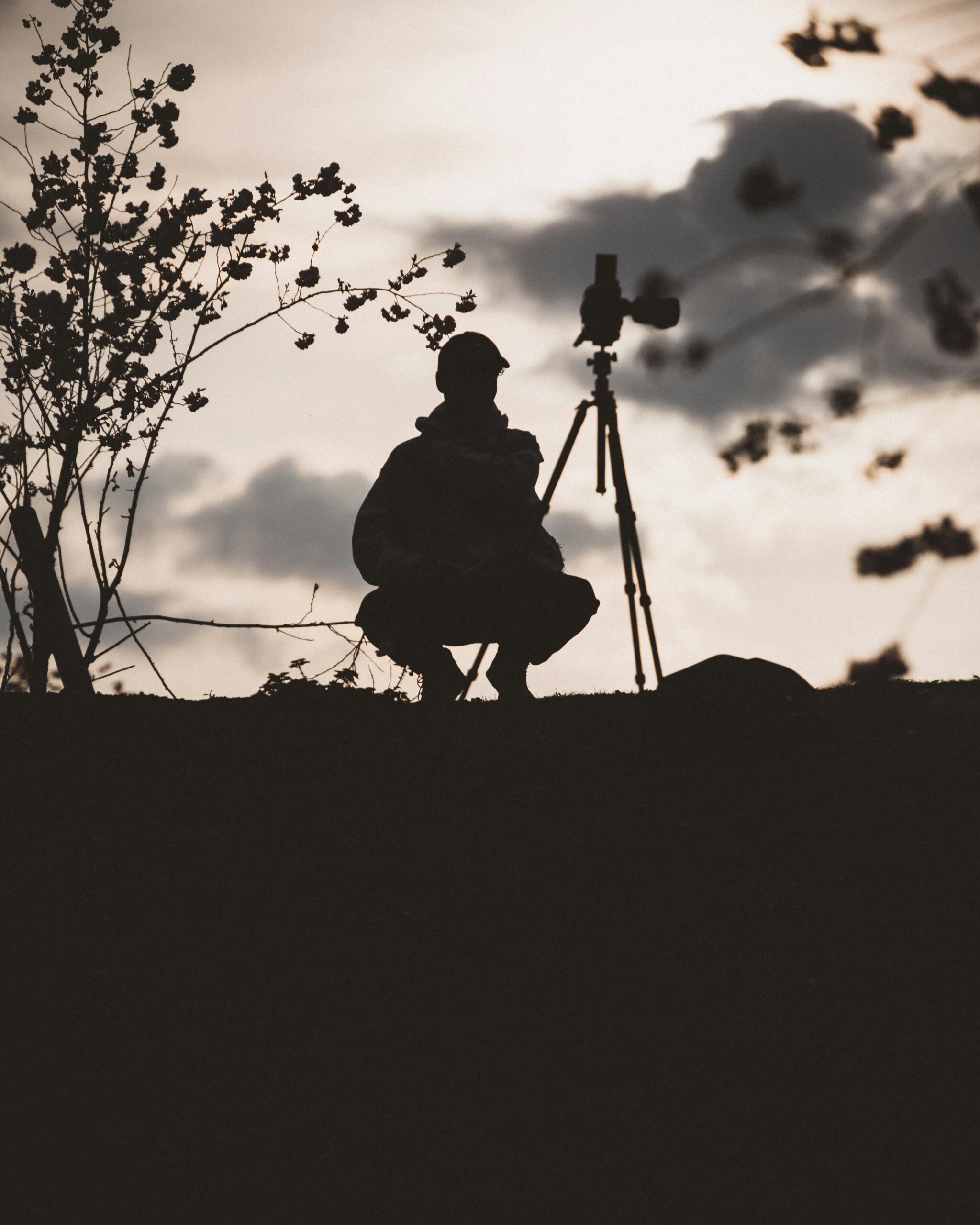
Videography Training in Nairobi — Complete Professional Guide (2026)
The Frame That Starts a Career
A red recording light turns on.
A student grips a camera, heart racing.
The subject speaks.
The background blurs.
The moment unfolds.
Later, in an editing lab, that same student watches the footage transform into a polished story — color-graded, sound-designed, perfectly timed.
That is the moment everything changes.
Not because they pressed record.
But because they realized something powerful:
They can create stories that people see, hear, and feel.
Videography is no longer just a creative hobby. It is one of the fastest-growing professional skills in today’s digital economy. From businesses and media houses to churches, NGOs, filmmakers, influencers, and corporations, video is now the dominant form of communication.
For aspiring creatives in Kenya, learning videography is not just about cameras. It is about mastering storytelling, technology, production, and visual communication.
This guide explains everything you need to know about videography training in Nairobi — what you learn, career opportunities, course structure, and how professional training can turn passion into a profession.
Why Videography Is One of the Most Valuable Skills Today
Look around.
Every platform you use is powered by video:
- Social media reels
- Advertisements
- Documentaries
- News reports
- Online courses
- Films
- Corporate presentations
- YouTube channels
Video is now the most consumed form of digital content worldwide.
Companies and organizations increasingly rely on video because it communicates faster, clearer, and more emotionally than text or images. This demand has created a growing need for trained videographers who understand both the creative and technical sides of production.
Videography is therefore not just an artistic skill.
It is a marketable professional asset.
What Videography Training Actually Teaches
Many beginners assume videography is simply pointing a camera and recording. Professional training reveals how much deeper the craft truly is.
A structured videography course typically trains students in four core pillars.
- Camera Operation and Filming Techniques
Students begin by understanding how video cameras work and how to control them manually.
Topics usually include:
- Camera settings and exposure
- Frame rates and resolution
- Lens selection
- Focus techniques
- Camera movement
- Stabilization tools
Mastering these fundamentals allows videographers to shoot intentionally rather than relying on automatic settings.
- Lighting and Visual Composition
Video is light.
Without understanding lighting, even expensive cameras produce poor results. Training therefore focuses heavily on:
- Natural vs studio lighting
- Three-point lighting setups
- Color temperature
- Shadows and highlights
- Composition rules
- Scene framing
Students learn how lighting shapes mood, storytelling, and professionalism.
- Audio Recording and Sound Design
Many beginners overlook audio — yet audiences will tolerate imperfect visuals more than bad sound.
Videography courses teach:
- Microphone types
- Audio levels and monitoring
- Noise reduction
- Voice clarity techniques
- Sound editing
Professional audio is often what separates amateur videos from broadcast-ready productions.
- Editing and Post-Production
Filming is only half the job.
Editing transforms raw footage into compelling stories. Students learn:
- Video editing software
- Cutting and sequencing
- Color correction and grading
- Motion graphics basics
- Titles and captions
- Export formats
Post-production is where storytelling truly comes alive.
The Rise of Video Careers in Kenya
Kenya’s digital economy is expanding rapidly, and video content is driving much of that growth. Businesses increasingly use video for marketing because audiences engage more with visual content than text alone.
Industries hiring videographers include:
- Advertising agencies
- Television and film studios
- Churches and ministries
- Corporate companies
- NGOs
- Event companies
- Digital media platforms
In addition, independent creators are building successful careers through online platforms by producing documentaries, tutorials, vlogs, and educational content.
This means videography offers both employment and entrepreneurship opportunities.
Types of Videography Courses Available
Different training levels exist depending on your experience and goals.
Beginner Videography Courses
Designed for people with no prior experience.
Students learn:
- Camera basics
- Shot composition
- Simple editing
- Introductory storytelling
Beginner courses build confidence and foundational skills.
Intermediate Training
At this level, students expand their abilities.
They learn:
- Lighting setups
- Audio recording
- Multi-camera shooting
- Editing workflows
Intermediate training prepares students for real projects.
Professional / Diploma Programs
Diploma-level training prepares learners for full-time careers.
Programs typically include:
- Commercial production
- Documentary filmmaking
- Event coverage
- Corporate video production
- Advanced editing
- Portfolio development
By graduation, students should be capable of delivering client-ready video projects independently.
hy Practical Training Matters Most
Videography is a hands-on profession. Reading about cameras cannot replace holding one. Watching tutorials cannot replace filming real scenes.
The best training programs emphasize:
- Live shooting sessions
- Real assignments
- Studio practice
- Field projects
- Instructor feedback
Practical learning builds confidence and prepares students for real work environments.
Career Opportunities After Videography Training
Professional videographers can pursue diverse paths:
Production Careers
- Videographer
- Camera operator
- Video editor
- Production assistant
- Documentary filmmaker
Media & Creative Careers
- Content creator
- Social media video producer
- YouTube producer
- Digital storyteller
Corporate Roles
- Communications videographer
- Marketing content producer
- Training video specialist
Freelance & Business Paths
- Wedding videography
- Event production
- Commercial video services
- Studio ownership
Videography is one of the few creative careers where freelancers can earn immediately after training.
Why Studying in a City Matters
Location plays a major role in creative training.
Studying in a major city like Nairobi offers advantages such as:
- Access to real filming locations
- Exposure to events and productions
- Networking opportunities
- Internship placements
- Industry connections
Urban environments provide real-world practice that classroom-only training cannot match.
A Professional Training Environment That Prepares Students for Industry
Among Nairobi’s training institutions, one college has built a reputation for hands-on, career-focused creative education: Delight Technical College.
Located opposite Jevanjee Gardens, the college has spent more than eight years developing practical training programs designed to prepare students for modern creative careers.
Its specialized media department — the School of Media & AI — focuses on equipping learners with digital production skills relevant to today’s job market.
Videography Training Program Overview
Qualification Options Available
- Trade Test (Artisan Level)
- Certificate Pathways
- Diploma Pathways
Examination Bodies
- NITA
- TVET-CDACC
Tuition: Approximately Ksh 35,000 per term for media programs.
Minimum Entry Requirements
| Level | Requirement | Duration |
| Artisan | KCPE or any KCSE grade | ~1 Year |
| Certificate | KCSE D Plain | ~2 Years |
| Diploma | KCSE C- Minus | ~2 Years |
This tiered system allows students to start at their level and progress gradually.
What Makes This Training Approach Effective
Students benefit from multiple advantages that support real skill development.
- Accredited Training
Programs are approved by TVETA, ensuring recognized qualifications.
- Hands-On Learning
Training emphasizes practical filming and editing rather than theory alone.
- Industry-Experienced Trainers
Instructors bring real production experience into the classroom.
- Flexible Scheduling
Day, evening, and weekend classes allow students to study while working.
- Modern Equipment
Access to studios, editing labs, and production tools supports realistic training.
- Career-Focused Curriculum
Lessons are aligned with current industry needs.
- Internship Opportunities
Students gain professional experience before graduating.
Skills Students Graduate With
By completion, trained videography students typically possess:
Technical Skills
- Camera operation
- Lighting setup
- Audio recording
- Video editing
Creative Skills
- Storyboarding
- Visual storytelling
- Shot planning
- Scene direction
Professional Skills
- Time management
- Client communication
- Project planning
- Team collaboration
These skills make graduates employable across multiple industries.
Student Life and Creative Growth
Learning videography is not only about classes. Creative environments encourage exploration and innovation.
Students often participate in:
- Media clubs
- Production projects
- Competitions
- Workshops
- Showcases
Such experiences help learners build portfolios, confidence, and professional networks.
Entrepreneurship Opportunities
Many videographers choose to run their own businesses instead of seeking employment.
Training programs therefore often include entrepreneurship lessons so students learn how to:
- Price services
- Find clients
- Market themselves
- Manage projects
- Build brands
This prepares graduates to become independent professionals immediately after training.
The Importance of Structured Training vs Self-Learning
While online tutorials can be helpful, structured training offers key advantages:
Self-learning often lacks:
- Feedback
- Industry guidance
- Professional equipment
- Curriculum structure
Formal training provides:
- Mentorship
- Real assignments
- Certification
- Peer collaboration
- Industry exposure
For employers and clients, recognized training signals professionalism and competence.
Facilities That Support Professional Learning
Modern videography requires access to real tools. Quality training environments therefore provide:
- Editing labs
- Computer workstations
- Reliable internet
- Studio spaces
- Production equipment
Such facilities ensure students practice with the same tools used in real productions.
Additional Costs and Payment Details
Statutory Fees: Ksh 12,000 per year
Attachment Fees: Ksh 10,000 per year
Exam Fees: Ksh 8,000 per module
Payments are made through:
Bank: KCB Bank Kenya
Branch: Biashara Street
Account Name: Delight Technical College
Account Number: 01129558232700
Admission Requirements
To enroll, applicants typically submit:
- KCPE or KCSE certificate copy
- National ID copy
- Birth certificate (if applicable)
- Two passport photos
Admissions teams guide students through the registration process step by step.
Campus Location and Contact Information
Delight Technical College
Muindi Mbingu Street, Opposite Jevanjee Gardens
Nairobi City County, Kenya
Phone / WhatsApp:
+254 722 533 771
+254 724 566 088
Email: [email protected]
Website: www.delight.ac.ke
Who Should Study Videography?
Videography training is ideal for:
- Aspiring filmmakers
- Content creators
- Media students
- Entrepreneurs
- Church media teams
- Event enthusiasts
- Storytellers
You don’t need prior experience. Passion and curiosity are enough to start.
Why Videography Is a Future-Proof Skill
Technology continues to evolve, but one thing remains constant:
People will always need stories.
Video is the most powerful storytelling medium because it combines image, sound, motion, and emotion. As long as communication exists, video skills will remain valuable.The Choice That Shapes Your Creative Future
Every professional videographer started somewhere.
Not with a perfect camera.
Not with a studio.
Not with clients.
They started with training.
Because training builds:
- confidence
- skill
- creativity
- discipline
- professionalism
Choosing where to train is therefore the first real step in your career.
Final Thoughts — Your Journey Begins with One Frame
Some people watch videos.
Others create them.
The difference is not talent.
It is training.
Videography is one of the most exciting, flexible, and opportunity-filled careers available today. With the right guidance, tools, and practice, beginners can become professionals capable of producing content for global audiences.
If you are passionate about storytelling, visuals, and creativity, professional videography training could be the path that transforms your passion into a lifelong career.
Your first frame is waiting.