
Understanding Frame Rates and Resolution: The Technical Foundation of Professional Video
By Delight Technical College | School of Media & AI- Film Production & Videography | 2026
Before a filmmaker or videographer can make creative decisions about how to shoot a project, they must understand the fundamental technical settings that determine how footage will look, move, and ultimately be delivered. Frame rate and resolution are among the most foundational of these technical concepts and getting them wrong can mean the difference between footage that looks professional and footage that looks amateur, regardless of the quality of the actual content captured.
🎞️ What Is Frame Rate?
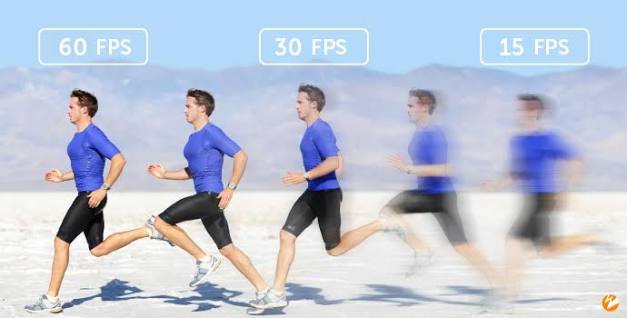
Frame rate refers to how many individual still images (frames) are captured per second to create the illusion of motion when played back. Different frame rates produce different visual qualities and serve different purposes:
24fps (frames per second):
The traditional cinema standard, dating back to the film era. 24fps produces the characteristic ‘filmic’ look audiences associate with movies slightly less smooth than higher frame rates, which many viewers associate with a cinematic, dramatic quality.
25fps / 30fps:
Standard frame rates for broadcast television, varying by regional broadcast standard. Kenya, following the PAL broadcast standard historically used across much of Africa and Europe, commonly uses 25fps for broadcast-destined content.
60fps and higher:
Higher frame rates produce notably smoother motion, commonly used for sports coverage (where smooth fast motion matters), and increasingly for online and social media content. High frame rate footage can also be slowed down in post-production to create smooth slow-motion effects.
120fps, 240fps, and beyond:
Specialist high-speed frame rates used specifically for dramatic slow-motion effects capturing footage at these rates and slowing it down in editing produces the ultra-smooth slow motion seen in commercials, music videos, and dramatic sequences.
📐 What Is Resolution?
Resolution refers to the number of individual pixels that make up a captured image generally, more pixels mean more detail and the ability to display larger or crop more aggressively without quality loss.
- HD (1920×1080, ‘Full HD’)- the long-standing broadcast and online video standard
- 4K (3840×2160)- four times the pixel count of Full HD, now the standard for most professional cameras and increasingly for delivery
- 8K- an emerging, even higher resolution standard, primarily relevant for specialist cinema and future-proofing footage
🎯 Choosing the Right Settings for the Job
Considerations:
- Final delivery platform- social media, broadcast television, cinema, and corporate presentation each have different optimal specifications
- Storage and processing capacity- higher resolution and frame rate footage requires significantly more storage space and processing power
- Creative intent- the ‘cinematic’ look of 24fps versus the smoother feel of higher frame rates is a creative choice as much as a technical one
- Future flexibility- shooting in 4K even for HD delivery provides flexibility to crop, stabilise, or reframe footage in post-production without quality loss
🎓 Technical Settings Training at Delight
Delight’s Film Production and Videography programmes ensure students understand not just how to operate camera settings but why specific settings are chosen for specific projects developing the technical judgment that distinguishes a professional from an amateur who simply uses default camera settings without understanding their implications.
“The most beautiful shot composition in the world will look wrong if the frame rate doesn’t match the creative intent, or the resolution doesn’t match the delivery platform. At Delight, we make sure the technical foundation is as solid as the creative vision.”
📍 Delight Technical College | Muindi Mbingu Street, Opposite Jevanjee Gardens, Nairobi | +254 722 533 771 | www.delight.ac.ke