Sewing Reusable Sanitary Pads: Social Enterprise Skills That RPL Can Certify
By Delight Technical College | School of Tailoring, Fashion & Design- RPL | 2026
Access to affordable menstrual products remains a real challenge for many girls and women in Kenya, and across the country, tailors, women’s groups and community organisations have stepped in by sewing reusable pads. Some started with a single sewing machine and a request from a school; others turned it into a small business. These makers have learned valuable skills that rarely come with a certificate. The unit Menstrual Hygiene Products Construction recognises those skills and Recognition of Prior Learning (RPL) offers a route for makers to have them certified.
🌸 Why This Unit Matters
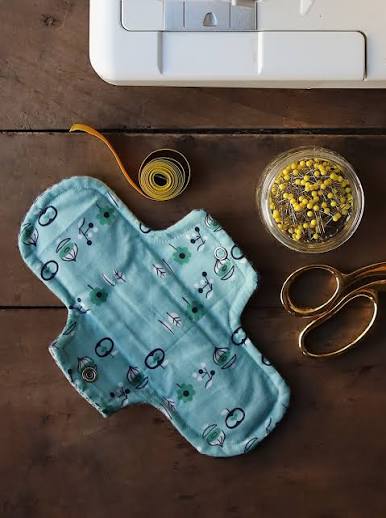
Menstrual Hygiene Products Construction is a practical, socially important unit. It combines sewing skill with an understanding of hygiene, comfort and user needs. A well-made reusable pad must be absorbent, leak-resistant, comfortable, secure and easy to wash. Making one that works properly is harder than it looks.
🧵 What a Competent Maker Can Do
- Choose suitable materials for each layer, such as a soft top layer, an absorbent core and a leak-resistant backing
- Draft and cut a pattern in appropriate sizes for light, medium and heavy flow
- Cut accurately and layer the materials correctly
- Sew strong, flat seams that will survive repeated washing
- Attach wings with secure fastenings such as snaps or hook-and-loop tape
- Finish the product neatly, with no rough edges that could irritate the skin
- Check each product for quality before it is packed
- Provide clear care instructions so that users can wash and dry the pads hygienically
🎓 Where This Unit Sits in the Delight Learning Guide
Unit 6: Menstrual Hygiene Products Construction
- Module II | Level 4 (Certificate) | Term Two
- One of four Term Two units, and a good example of a skill that links sewing with social impact
🤝 Who Is Likely to Benefit from RPL Here?
- Tailors who have sewn pads for schools, community groups or non-profit programmes
- Women’s group members who have been trained informally and now produce pads regularly
- Small business owners who sell reusable pads as a product line
- Community health volunteers who have learned to sew pads as part of outreach work
🗂️ Evidence to Gather
- Sample pads showing each layer and the finished product
- Photographs of the production process, from cutting to packaging
- Orders or receipts from schools, organisations or customers
- Letters from a group, school or organisation confirming that you produced pads for them
- Copies of any short training certificates you received from non-governmental or community programmes
🚀 Next Steps
- Gather samples in different sizes and designs
- Write a short description of how you chose your materials and why
- Collect statements from at least two people who have used or ordered your products
- Speak to an RPL adviser about how your experience matches the unit
🌍 Making an Impact Beyond the Sale
Many reusable-pad makers work through schools, women’s groups and community programmes. If that describes you, include the story. Records of distribution, training sessions you have run for others and letters from organisations you have worked with all show initiative and responsibility. They are not a requirement for the unit, but they add useful context and show that your skills are being used in a real community setting.
“Behind every well-made reusable pad is a maker who understands sewing, comfort and dignity. That combination of skills deserves recognition.”
💡 Making products that matter? Ask Delight Technical College how RPL can recognise your skills. Call +254 722 533 771 or visit Muindi Mbingu Street, Nairobi.
📍 Delight Technical College | Muindi Mbingu Street, Opposite Jevanjee Gardens, Nairobi | +254 722 533 771 | www.delight.ac.ke