Batik Artists and Embroiderers: Getting Certified for the Craft You Already Practise
By Delight Technical College | School of Tailoring, Fashion & Design- RPL | 2026
Some skills are learned in a workshop, and others are learned at the kitchen table, in the evening, by hand. Batik and embroidery usually belong to the second group. Many Kenyan artists learned wax-resist dyeing or needlework from a relative or a community group, and then spent years developing a personal style. The unit Fabric Decoration (Batik and Embroidery) is designed for exactly this kind of work, and Recognition of Prior Learning (RPL) offers makers a way to have it certified.
🕯️ Batik- Painting with Wax and Dye
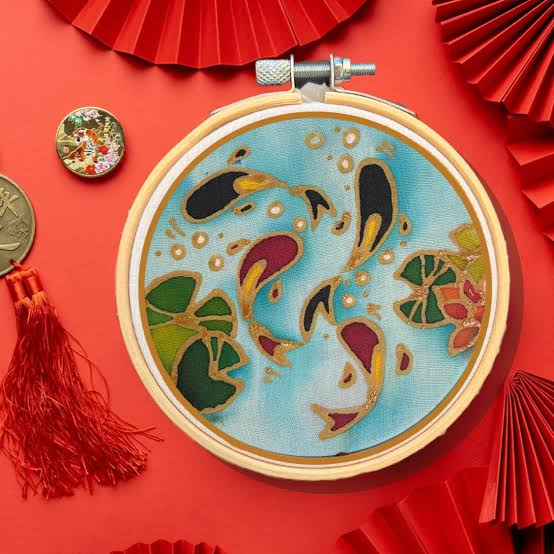
Batik is a resist technique. Wax is applied to fabric to block dye in selected areas, and the cloth is then dyed and the wax removed to reveal the pattern. A competent batik artist can:
- Prepare and stretch fabric correctly
- Transfer or draw a design onto the cloth
- Apply hot wax with a brush, a stamp or another tool, controlling the temperature and flow
- Build up layers of colour, working from light to dark
- Remove wax safely and finish the fabric
- Work safely with hot wax, dyes and heating equipment
🪡 Embroidery- Building Pattern with Thread
Embroidery adds texture, colour and detail with a needle and thread, either by hand or with a machine. Competence includes:
- Selecting thread, needle and fabric that suit each other
- Mounting fabric in a hoop or frame so it stays taut
- Working a range of stitches such as satin stitch, stem stitch, chain stitch and French knots
- Following or creating a design and keeping the stitching even
- Finishing the back of the work neatly
- Using a machine for decorative or free-motion embroidery, where relevant
🎓 Where This Unit Sits in the Delight Learning Guide
Unit 7: Fabric Decoration (Batik and Embroidery)
- Module II | Level 4 (Certificate) | Term Two
- The final Term Two unit, paired with Unit 5: Fabric Decoration (Tie & Dye and Printing)
🖼️ Presenting Creative Work as Evidence
Creative work is easy to photograph and hard to fake, which helps in RPL. Strong evidence includes:
- A range of finished pieces- wall hangings, scarves, garments, cushion covers or other items
- Photographs showing different stages, such as wax application, dyeing and embroidery in progress
- Small samples that demonstrate individual techniques, each labelled
- Photographs of exhibitions, markets or events where your work was displayed or sold
- Statements from buyers, gallery owners, event organisers or trainers
🧭 What If I Practise Only One Craft?
Many makers specialise in batik or embroidery, not both. That is normal. You can use RPL to be recognised for the part you know well, and your adviser can explain how to approach the other part, whether through further training or additional practice.
🚀 Where to Begin
- Choose six to eight pieces that show your range
- Photograph them in good light, with a close-up of the detail
- Write a short description of your process for each
- Gather statements from buyers or people who have seen your work
🧑🏫 Explaining Where Your Skill Came From
Assessors are interested in how you learned. If a relative, a community group or a master craftsperson taught you, say so and describe what they taught. If your work draws on traditional motifs or techniques, explain the meaning and how you adapt them. A short statement from the person who trained you, even a few lines, helps confirm the length and depth of your experience and shows the continuity of the craft.
“Needlework and wax are patient crafts. They deserve a certificate that recognises not just the finished piece, but the years of practice behind it.”
💡 Make your craft count. Ask Delight Technical College about RPL for Fabric Decoration. Call +254 722 533 771 or visit Muindi Mbingu Street, Nairobi.
📍 Delight Technical College | Muindi Mbingu Street, Opposite Jevanjee Gardens, Nairobi | +254 722 533 771 | www.delight.ac.ke

You may also like