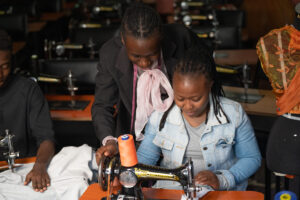
How to Launch a Clothing Line in Nairobi After Training
Introduction
So, you’ve completed your tailoring or fashion design training—maybe at a TVET institution or a fashion school like Delight Fashion School—and now you’re ready to turn your dream into reality. Launching a clothing line in Nairobi, Kenya’s bustling capital and fashion hub, is both an exciting and challenging journey. With the right steps, you can transform your skills into a thriving fashion business that speaks to your creativity and meets market needs.
This guide will walk you through the essential steps to launch your clothing line in Nairobi after completing your fashion training.
Step 1: Define Your Brand Identity
Before cutting fabric or sewing your first garment, you need to answer some key questions:
- Who is your target customer?
- Youth, working women, brides, school children, plus-size clients?
- What type of clothing will you offer?
- Casual wear, formal, African wear, uniforms, streetwear, bridal, children’s wear?
- What makes your brand unique?
- Sustainable materials? Afrocentric prints? Custom fits?
Action:
Create a brand statement that defines your style, voice, and values. This becomes the heart of your clothing line.
Example: “AfriUrban is a modern streetwear line combining African fabrics with contemporary design for Nairobi’s urban youth.”
Step 2: Develop a Business Plan
Your clothing line is a business, and every business needs a plan.
Include:
- Business name and branding strategy
- Product range (what garments you’ll make)
- Startup costs and pricing strategy
- Marketing and sales channels
- Budget for equipment, materials, licenses
- Growth goals (3 months, 6 months, 1 year)
Tip: Keep it simple but realistic. A basic plan is better than none.
Step 3: Register Your Business
To operate legally in Nairobi, you must register your fashion business.
Steps:
- Choose a Business Name
- Check name availability on eCitizen.
- Register the Business
- As a sole proprietorship, partnership, or limited company.
- Apply for a Business Permit
- Visit your local Nairobi City County offices.
- Get a KRA PIN
- Needed for tax compliance.
Cost Estimate:
- Business name search & registration: Ksh 150–1,000
- Business permit (per year): Ksh 5,000–15,000 depending on location
Step 4: Set Up Your Production Space
Start small and scale as you grow.
Options:
- Home-Based Workshop: Use a spare room, balcony, or garage.
- Rental Space: Consider shared studio spaces in areas like Eastleigh, Ngara, or Gikomba.
- Online First, Physical Later: You can start by taking orders online before opening a shop.
Essential Equipment:
- Sewing machine (straight and overlock)
- Cutting table
- Iron and ironing board
- Threads, needles, fabrics
- Mannequins or dummies
Startup Budget:
Ksh 30,000–100,000 depending on equipment quality and scale
Step 5: Design and Produce Your First Collection
Create a capsule collection of 5–10 pieces to showcase your style.
- Focus on high-quality finishes
- Mix signature pieces with everyday wear
- Use locally sourced fabrics (Kikoy, Kitenge, Cotton, Denim)
- Hire assistants or collaborate with fellow graduates if needed
Tip: Test your designs on friends, family, or through small pop-up shops before mass production.
Step 6: Price Your Products Smartly
Use the cost-plus pricing method:
- Calculate cost of production (fabric, labor, transport)
- Add your markup (usually 30–100%)
Example:
- Cost to make a shirt: Ksh 800
- Markup: Ksh 600
- Selling price: Ksh 1,400
Make sure your prices reflect:
- Target market income
- Quality and uniqueness of your brand
- Competitor pricing
Step 7: Market and Build Your Brand
In Nairobi’s competitive fashion scene, visibility is key.
Marketing Channels:
- Instagram & TikTok: Showcase your process, designs, testimonials
- Facebook Marketplace: Great for local sales
- WhatsApp Business: Direct customer engagement
- Website or Jumia Store: For formal e-commerce
- Business Cards & Posters: Especially in local markets and campuses
Branding Essentials:
- Professional logo
- Clear brand colors and style
- Clothing labels/tags
- Packaging (bags, boxes, etc.)
Tip: Take high-quality photos of your garments. Invest in a phone with a good camera or hire a budget-friendly photographer.
Step 8: Attend Local Fashion Events and Expos
Nairobi has an active fashion community. Participating in events helps you network, showcase your work, and gain feedback.
Popular Events:
- Nairobi Fashion Market
- Thrift Social
- Fashion Pop-Ups at Sarit, Westgate, or Village Market
- TVET fairs and youth expos
- Online live shows and influencer collaborations
Step 9: Focus on Customer Service
Happy clients = referrals and repeat business.
- Offer proper fittings and alterations
- Be transparent with timelines
- Deliver quality, not just quantity
- Ask for feedback and improve
Bonus: Always take photos (with permission) of your clients in their outfits—these testimonials build trust.
Step 10: Keep Learning and Growing
The fashion world is dynamic. To stay ahead:
- Take short courses (digital marketing, fashion photography, business management)
- Learn about sustainable fashion and eco-friendly production
- Invest in better machines or tech (e.g., digital pattern making tools)
- Explore export or online markets as you scale
Realistic Timeline for Launching
| Phase | Timeline |
| Business setup & registration | 1–2 weeks |
| Production of first pieces | 2–4 weeks |
| Launching online/socials | 1 week |
| First sales & feedback | Within 1–2 months |
| Growth/expansion | 3–6 months |
Conclusion
Launching a clothing line in Nairobi after your fashion training is completely achievable—if you plan smart, start small, and stay consistent. Your skills, creativity, and resilience will set the foundation, but business knowledge and strategy will sustain you.
From a home-based tailor to a recognized fashion brand, your journey begins now. Stitch your story with purpose—and let your designs speak for you in the streets of Nairobi and beyond.