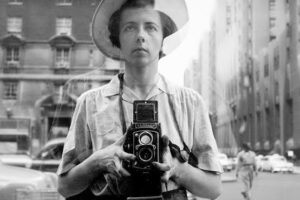

How to Become a Professional Photographer in Kenya (Complete Career Guide)
The Moment That Changes Everything
The shutter clicks.
A crowd laughs.
Lights flash.
And suddenly, everyone turns to you — the person holding the camera.
For many creatives in Kenya, that moment is where a hobby transforms into a profession. Photography is no longer just about capturing memories; it has become a thriving career path powered by media, advertising, digital marketing, events, fashion, and storytelling industries. Across Nairobi and beyond, skilled photographers are in high demand — not only for weddings and events but also for commercial campaigns, journalism, social media content, and brand storytelling.
This guide walks you through exactly how to become a professional photographer in Kenya — from training and equipment to skills, income paths, and industry realities. Whether you’re starting from scratch or turning a hobby into a career, this is your roadmap.
- Understanding Photography as a Career in Kenya
Photography is both an art and a technical profession. Today’s photographers are visual storytellers, marketers, editors, and entrepreneurs all at once.
Training programs typically combine artistic creativity with technical instruction in camera operation, lighting, composition, editing, and storytelling.
Graduates can work across industries such as:
- Media houses
- Advertising agencies
- NGOs
- Events and weddings
- Fashion brands
- Corporate organizations
- Freelance platforms
Professional opportunities include roles like:
- Photojournalist
- Studio photographer
- Fashion photographer
- Content creator
- Commercial photographer
- Editor or retoucher
- Freelance visual artist
This variety is what makes photography one of the most flexible creative careers in Kenya.
- Step-by-Step Path to Becoming a Professional Photographer
Step 1 — Decide Your Photography Path
Photography is not a single profession — it’s a collection of specializations. Choosing one early helps you focus your learning and portfolio.
Popular niches include:
- Wedding photography
- Fashion photography
- Wildlife photography
- Product photography
- Documentary photography
- Real estate photography
- Social media content photography
Many professionals start broad, then specialize as they discover their strengths.
Step 2 — Get Professional Training
While photography can be self-taught, structured training dramatically speeds up your growth. Colleges like Delight Technical College are perfect for hands-on skills. Enroling with the School of Media & AI will be a guarantee to success.
The photography course teaches:
- Camera operation and settings
- Lighting techniques
- Composition principles
- Editing software
- Visual storytelling
- Portfolio development
Training programs often follow progressive levels:
| Level | What You Learn |
| Beginner | Camera basics and exposure |
| Intermediate | Lighting, composition, editing |
| Advanced | Studio work, commercial shoots |
| Diploma | Professional practice + business |
Some short certificate courses can take about 3 months, while diploma programs can last several months to over a year depending on depth.
Entry requirements vary — some courses only require passion and willingness to learn, while others require academic grades such as KCSE D or C– depending on the qualification level.
Step 3 — Learn the Tools of the Trade
Professional photographers must master both hardware and software.
Equipment Skills
You must understand:
- Camera bodies
- Lenses
- Tripods
- Lighting kits
- Reflectors
- Flash systems
Training courses often teach technical camera setup, lighting balance, and shot composition.
Editing Skills
Modern photography requires digital editing proficiency using tools such as:
- Adobe Photoshop
- Lightroom
- Editing workflows
Advanced programs teach professional retouching, color grading, and image optimization for different platforms.
tep 4 — Build a Portfolio
A portfolio is your visual CV.
Clients don’t hire photographers based on certificates — they hire based on what they see.
To build a strong portfolio:
- Shoot events for friends or family
- Do personal creative projects
- Collaborate with models or brands
- Practice outdoor and studio photography
- Create themed photo series
Reddit advice from a photographer with NGO experience in Kenya emphasizes building personal projects to open doors:
“Develop your own photo essay project… genuine curiosity will open doors.”
Your portfolio should show:
- Variety
- Technical skill
- Style consistency
- Storytelling ability
Step 5 — Gain Real-World Experience
Hands-on experience is essential. Photography training programs often include:Studio sessions
- Outdoor shoots
- Assignments
- Real projects
Internships or assisting professional photographers also help you:
- Learn client communication
- Understand pricing
- Build industry contacts
- Develop professional workflow
tep 6 — Choose Employment or Freelancing
Photography offers two main career paths:
Employed Photographer
You can work for:
- Media companies
- Production studios
- Advertising agencies
- Corporate firms
Freelance Photographer
Freelancing is common because it offers flexibility and income potential.
Freelancers can earn from:
- Weddings
- Events
- Commercial shoots
- Brand campaigns
- Social media content
- Product photography
A Reddit entrepreneur in Kenya’s event industry noted:
“There’s a vibrant market in this space… people pay well.”
. Skills Every Professional Photographer Must Have
To succeed, you need more than camera skills.
Technical Skills
- Exposure control
- Lighting mastery
- Focus techniques
- Editing proficiency
Creative Skills
- Composition
- Color theory
- Visual storytelling
- Concept development
Business Skills
- Pricing
- Marketing
- Client communication
- Contracts
Soft Skills
- Patience
- Attention to detail
- Adaptability
- Confidence directing subjects
Professional programs emphasize that photography blends art, technology, and storytelling — making it both creative and technical.
- How Much Do Photographers Earn in Kenya?
Income varies widely depending on specialization, experience, and equipment quality.
Typical earning paths:
| Level | Income Source |
| Beginner | Small gigs, events |
| Intermediate | Commercial shoots |
| Professional | Brand campaigns |
| Expert | International clients |
Wedding and commercial photographers often earn the highest fees, while beginners may start with small paid gigs.
Photography is highly scalable: as your reputation grows, your income can increase significantly.
- Equipment Needed to Start
You don’t need expensive gear to begin. Many professionals start with basic equipment and upgrade over time.
Starter kit:
- Entry-level DSLR or mirrorless camera
- Kit lens
- Memory cards
- Tripod
- Editing laptop
Professional kit (later stage):
- Full-frame camera
- Multiple lenses
- Lighting kit
- Backup camera
- Studio equipment
The most important investment is skill, not gear.
- Challenges Photographers Face in Kenya
Like any career, photography has challenges:
Competition
Kenya has many talented photographers, making differentiation important.
Pricing Pressure
Beginners sometimes undercharge, affecting market rates.
Equipment Costs
Professional gear can be expensive.
Client Expectations
Clients expect fast delivery, editing, and high quality.
The solution is continuous learning, specialization, and strong branding.
- Why Training Matters More Than Talent
Many people assume photography is purely talent-based. But structured training accelerates your growth by teaching:
- Technical fundamentals
- Industry workflow
- Professional editing
- Client handling
- Portfolio development
Training programs are designed to prepare learners for real industry environments and make them employable immediately after graduation.
. Future of Photography Careers in Kenya
Photography demand is rising due to:
- Social media marketing
- Digital branding
- Content creation
- Online businesses
- E-commerce
- Influencer marketing
Organizations increasingly require high-quality visuals for communication, marketing, and storytelling.
Training institutions report strong employment prospects for graduates across multiple sectors locally and internationally.
- Tips for Success as a Photographer
Follow these professional tips to accelerate your career:
Practice daily — photography improves with repetition.
Study light — lighting is the foundation of great images.
Network — connections lead to opportunities.
Brand yourself — create a professional online presence.
Invest in learning — take courses and workshops.
Specialize — become known for one style or niche.
Be consistent — quality builds reputation.
- The Reality: Passion + Skill = Success
One Kenyan creative shared how passion led him into photography:
“I started doing photography professionally immediately after high school… I realized I really enjoyed it.”
This reflects a common truth: photography careers often begin with passion, but they grow through discipline, training, and persistence.
Final Thoughts — Is Photography Worth It?
Yes — if you treat it like a profession, not just a hobby.
Photography in Kenya is a real career with strong demand, diverse opportunities, and global potential. With proper training, hands-on experience, and consistent practice, you can build a successful career capturing moments, telling stories, and creating visual impact.
If you love storytelling, creativity, and technology, photography could be the perfect profession for you.