
HOW E-COMMERCE IS CHANGING THE AFRICAN FASHION INDUSTRY
The fashion industry in Africa is experiencing a digital revolution, and at the heart of this transformation is e-commerce. Online shopping has made it easier for designers, retailers, and fashion lovers to buy and sell clothing, shoes, and accessories with just a few clicks.
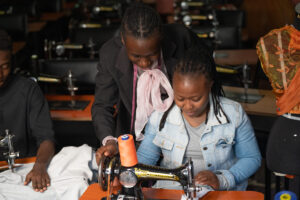
At Delight Technical College, we encourage young designers and entrepreneurs to embrace digital tools that can expand their fashion businesses beyond local markets. In this article, we explore how e-commerce is changing the African fashion industry and why it is essential for the future of fashion in Kenya and across the continent.
- Expanding Market Reach Beyond Borders
Traditionally, African designers relied on physical stores, markets, and fashion exhibitions to sell their products. Today, e-commerce allows them to:
✔ Reach customers across Africa and globally
✔ Sell 24/7 without being limited by store hours or location
✔ Showcase their collections on websites, social media, and online marketplaces
Platforms like Jumia, Kilimall, Ananse, Shop Zetu and Africa Fashion International are helping African fashion brands gain global visibility. Young designers can now sell their work to customers in Europe, the U.S., and beyond, creating more opportunities for growth.
- Lowering Business Costs for Startups
Starting a fashion business in Africa used to require huge investments in physical shops, inventory and marketing. E-commerce has changed this by:
✔ Reducing the need for expensive retail spaces
✔ Allowing designers to start with small production batches and sell on demand
✔ Providing access to affordable digital marketing tools to attract customers
Through platforms like Shopify, WooCommerce, and Instagram Shops, young designers can now launch online boutiques with minimal capital and grow their brands.
- Digital Payments and Mobile Shopping
With the rise of mobile money platforms like M-Pesa, online shopping is more convenient than ever. Customers can:
✔ Pay for fashion items instantly using mobile wallets
✔ Shop from their phones via social media platforms like Facebook and Instagram
✔ Enjoy secure transactions through trusted online payment gateways
This has made e-commerce more accessible to people who don’t have credit cards, increasing the number of online shoppers in Kenya and across Africa.
4. Social Media and Influencer Marketing
Social media is shaping the future of African fashion, with platforms like Instagram, TikTok and Facebook becoming digital marketplaces. Designers now:
✔ Use Instagram Shops and Facebook Marketplace to sell directly to customers
✔ Partner with fashion influencers and bloggers to promote their brands
✔ Engage customers through live shopping, reels, and interactive content
This shift has made fashion brands more visible and accessible, especially to young people who love online shopping.
- Sustainability and Ethical Fashion in E-Commerce
E-commerce is also promoting sustainable fashion by:
✔ Encouraging second-hand and thrift fashion through online resale platforms
✔ Reducing overproduction through made-to-order and pre-order systems
✔ Supporting ethical brands that use eco-friendly materials and fair labor practices
Many African designers are now using e-commerce to sell handmade, sustainable fashion while promoting African heritage and craftsmanship.
- The Rise of Digital Fashion and Virtual Fitting
Technology is changing how people shop for clothes online. Some exciting trends include:
✔ 3D virtual fitting rooms, where customers can try clothes digitally before buying
✔ AI-powered fashion recommendations based on personal style and preferences
✔ Augmented Reality (AR) shopping experiences for a more interactive online retail experience
These innovations are making online fashion shopping more personalized and engaging, giving customers a real-life shopping experience from their homes.
With the continued growth of internet access, mobile commerce, and digital payments, e-commerce is set to become the main shopping method for fashion lovers in Africa. Young designers and entrepreneurs must adapt to these trends to stay competitive and grow their brands.
At Delight Technical College, we train students in fashion entrepreneurship, digital marketing, and e-commerce strategies to help them succeed in the modern fashion industry.
E-commerce is changing the African fashion industry, offering designers and retailers new opportunities to reach customers, reduce costs, and build global brands. By leveraging online platforms and digital marketing, young African designers can turn their creativity into successful fashion businesses.
Are you ready to take your fashion brand online? Join Delight Technical College today and learn the skills you need to thrive in the digital fashion world!