
Film & Media Career Opportunities in Kenya (2026 Guide)
The Moment the Screen Turns On
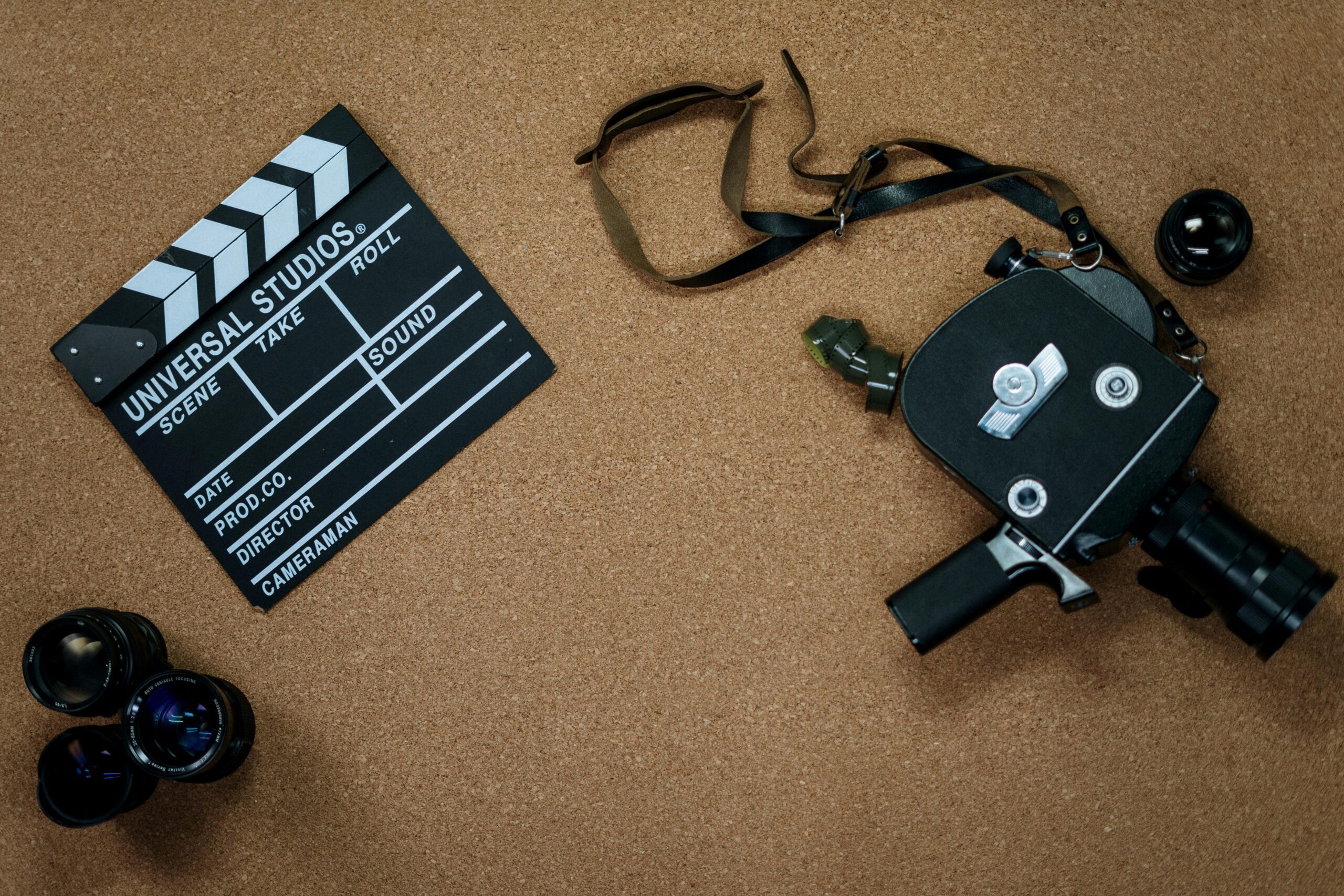
A camera light flashes red.
A boom mic dips into frame.
A director whispers, “Action.”
For a split second, the world freezes — then comes alive.
For many young creatives in Kenya, that moment isn’t just cinematic. It’s personal. It’s the realization that storytelling, filming, editing, designing, reporting, or producing isn’t just a passion — it’s a career path. And in 2026, that path is wider, more diverse, and more promising than ever before.
Kenya’s film and media industry is evolving fast. Streaming platforms are expanding. Brands are investing heavily in video marketing. Newsrooms are going digital. Podcasts, YouTube channels, and documentaries are booming. Every new platform creates new roles. Every new story needs skilled professionals.
This guide explores:
- Film and media careers in Kenya
- Salary expectations across roles
- Job demand trends
- Growth projections
- Skills employers want
- How training shapes your career success
Whether you want to be behind the camera, in front of it, or running production from behind the scenes, this guide will show you what’s possible — and how to prepare.
Why Film & Media Careers Are Growing Fast in Kenya
The Kenyan creative economy has entered a transformation era. Several forces are driving demand:
- Digital Media Explosion
Brands now rely on video content, podcasts, social media visuals, and documentaries to reach audiences. Companies increasingly hire videographers, editors, and content creators for marketing campaigns and brand storytelling.
- Corporate Video Demand
Organizations produce internal training videos, promotional documentaries, event coverage, and brand films. Videographers are hired to create professional visual communication assets for businesses.
- Streaming Platforms & Online Distribution
The rise of online streaming platforms and digital channels means creators no longer depend solely on TV networks. Independent filmmakers and media professionals can now distribute content globally.
- Growth of Creative Entrepreneurship
Many professionals now run:
- production companies
- YouTube channels
- content agencies
- photography studios
- freelance editing services
This shift has expanded career opportunities beyond traditional employment.
Film & Media Career Paths in Kenya
Film and media is not one career — it’s a network of creative professions. Below are major paths available in 2026.
- Videographer
Role:
Shoots footage for news, events, documentaries, ads, and social media.
Salary Data:
- Average salary ≈ KSh 540,000 per year
- Entry level (0–2 yrs): about 746,600 KES annually
- Nairobi beginners: approx. 932,000 KES yearly
- Some full-time jobs offer KSh 30,000–35,000 monthly
Why demand is rising:
Companies now rely heavily on video marketing, social media content, and digital storytelling.
- Film Editor
Editors shape raw footage into finished stories. Their skills are essential in:
- TV stations
- film studios
- YouTube production houses
- advertising agencies
Key Skills
- Adobe Premiere Pro
- Final Cut Pro
- DaVinci Resolve
- storytelling pacing
- colour grading
Editors who specialize in storytelling or cinematic editing often earn higher freelance rates.
- Digital Journalist
Modern journalism is multimedia-driven. Today’s reporters must:
- shoot video
- write articles
- record podcasts
- design graphics
- publish online
The demand for digital journalists continues to grow because media organizations prioritize online audiences over print.
. Content Creator / Producer
Content creators are now hired by:
- brands
- NGOs
- media agencies
- influencers
- marketing teams
Their job is to produce engaging content for online platforms such as YouTube, TikTok, Instagram, and corporate websites.
- Photographer
Photography careers include:
- commercial photography
- fashion photography
- documentary photography
- event photography
- wildlife photography
Professional photographers can work freelance, in studios, or with media houses.
- Graphic Designer & Motion Designer
Visual communication is essential for media production. Designers create:
- posters
- thumbnails
- brand visuals
- video graphics
- animation assets
Many media professionals combine design with video skills, making them highly employable.
- Production Assistant
Entry-level role in film and TV production. Responsibilities include:
- scheduling shoots
- preparing equipment
- assisting directors
- coordinating crews
This role is often a stepping stone to higher positions like producer or director.
- Film Director or Producer
Senior professionals responsible for:
- storytelling vision
- budgeting
- team coordination
- casting
- distribution
Directors with strong portfolios often earn through project contracts rather than monthly salaries.
Salary Reality in Kenya’s Media Industry
The film and media sector has wide salary ranges depending on:
- experience
- skill level
- portfolio quality
- employer type
- freelance vs employed
Realistic Salary Progression Example (Videography)
| Experience | Average Pay (KES) |
| 0–2 years | 746,600 annually |
| 2–5 years | 999,500 annually |
| 5–10 years | 1,476,700 annually |
| 10–15 years | 1,800,200 annually |
This demonstrates one key truth:
Skill growth = income growth
What Employers Look for in Film & Media Professionals
Companies hiring creatives prioritize skills over certificates. Employers typically want candidates who can:
- operate cameras and lighting
- edit video professionally
- plan shoots and storyboards
- collaborate with teams
- deliver projects on deadline
- understand branding and audiences
For example, job listings show videographers are expected to:
- plan shoots
- set up lighting and microphones
- edit footage professionally
- add graphics and effects
- ensure technical standards are met
In other words:
Practical ability matters more than theory.
The Skills That Will Define Film Careers in 2026
The industry is evolving. Schools like Delight Technical College offer these skills in the School of Media & AI. These skills are becoming essential:
Technical Skills
- camera operation
- lighting design
- audio recording
- editing software
- motion graphics
Creative Skills
- storytelling
- shot composition
- visual narrative design
- directing actors
Digital Skills
- social media strategy
- online publishing
- content optimization
- analytics
Professional Skills
- teamwork
- communication
- time management
- client relations
The professionals who combine all four categories become the most employable.
The Rise of Freelance Film Careers
Many Kenyan creatives now choose freelance work because it offers:
- flexible schedules
- project-based income
- international clients
- remote opportunities
Freelancers who build strong portfolios often earn more than salaried employees. However, freelancing requires business skills such as:
- pricing services
- negotiating contracts
- marketing your work
- client management
Challenges in the Industry
Every career has challenges. In film and media, common ones include:
- Competitive Market
Many young creatives enter the field, so standing out requires strong skills and portfolios.
- Entry-Level Pay
Some starting salaries can be modest depending on employer and experience.
- Skill Expectations
Employers often expect professionals to perform multiple roles (shooting, editing, graphics).
- Equipment Costs
Professional cameras, lighting, and software can be expensive.
The solution to all these challenges is simple:
Training + Skill Mastery + Portfolio
hy Training Matters More Than Talent Alone
Talent opens doors. Training keeps them open.
Structured education helps you:
- learn professional workflows
- master industry tools
- understand production processes
- build a portfolio before graduation
- gain internship experience
Most employers prefer trained candidates because they require less supervision and can produce professional-quality work immediately.
here Opportunity Meets Preparation
Success in film and media rarely happens by accident. It happens when passion meets preparation.
That preparation begins with choosing the right training environment — one that offers:
- hands-on learning
- industry tools
- experienced instructors
- real projects
- career guidance
A professional training environment gives students the confidence and skills needed to enter the industry ready to work.
Training Pathways That Lead to Film & Media Careers
Professional film and media training typically includes:
Core Modules
- camera operation
- lighting techniques
- editing software
- sound design
- storytelling
Specialized Modules
- documentary production
- news reporting
- commercial production
- animation
- motion graphics
Career Preparation
- portfolio development
- internship placement
- industry networking
- entrepreneurship training
Students who complete structured training programs often transition faster into professional roles.
The Future of Film & Media Careers in Kenya
By 2026, several trends are shaping the industry:
- Video is becoming the dominant communication format
Companies increasingly prioritize video content over text. - Digital storytelling is replacing traditional media
Online platforms have surpassed print and broadcast in audience reach. - Skills are more valuable than degrees
Employers prefer practical ability over academic theory. - Creative professionals are becoming entrepreneurs
More graduates are starting their own studios, agencies, and channels.
A Realistic Career Roadmap (Step-by-Step)
Here’s how many successful media professionals build their careers:
Step 1 — Training
Learn technical skills and industry tools.
Step 2 — Portfolio
Create sample projects showing your abilities.
Step 3 — Internship
Gain real-world experience.
Step 4 — Entry Job or Freelance Work
Start earning and building reputation.
Step 5 — Specialization
Focus on a niche such as cinematography, editing, or directing.
Step 6 — Professional Recognition
Work on major productions or launch your own brand.
The Truth About Creative Careers
Many people believe creative careers are unstable.
The truth is:
Creative careers reward skill, persistence, and adaptability.
The most successful professionals in film and media are not necessarily the most talented — they are the most prepared.
Why Now Is the Best Time to Join the Film & Media Industry
There has never been a better time to enter this field because:
- digital media demand is increasing
- content consumption is rising
- companies need visual storytellers
- brands require video marketing
- global audiences are accessible online
The industry isn’t shrinking.
It’s expanding.
Start Your Journey Toward a Film & Media Career
If you want a career in film and media, your next step is simple:
Get trained. Practice. Build. Create.
Professional training equips you with:
- real skills
- real experience
- real confidence
And confidence is what turns beginners into professionals.
Begin Your Training Journey
Delight Technical College
Muindi Mbingu Street, Opposite Jevanjee Gardens
Nairobi City County, Kenya
Call/WhatsApp: +254 722 533 771 / +254 724 566 088
Website: www.delight.ac.ke
Email: info@delight.ac.ke
Admission Requirements
- KCSE certificate copy
- ID copy
- Birth certificate copy (if applicable)
- Passport photos
Why Choose This Training Path
Students benefit from:
- accredited programs
- practical training
- modern studios
- industry instructors
- flexible schedules
- internship opportunities
- entrepreneurship training
- supportive environment
These advantages help learners transition smoothly from classroom to career.
Final Thoughts
The Kenyan film and media industry is full of opportunity — but only for those prepared to seize it.
Every film you watch
Every video you stream
Every documentary you admire
Someone created it.
The question is:
Will the next creator be you?
Your journey can start today.