
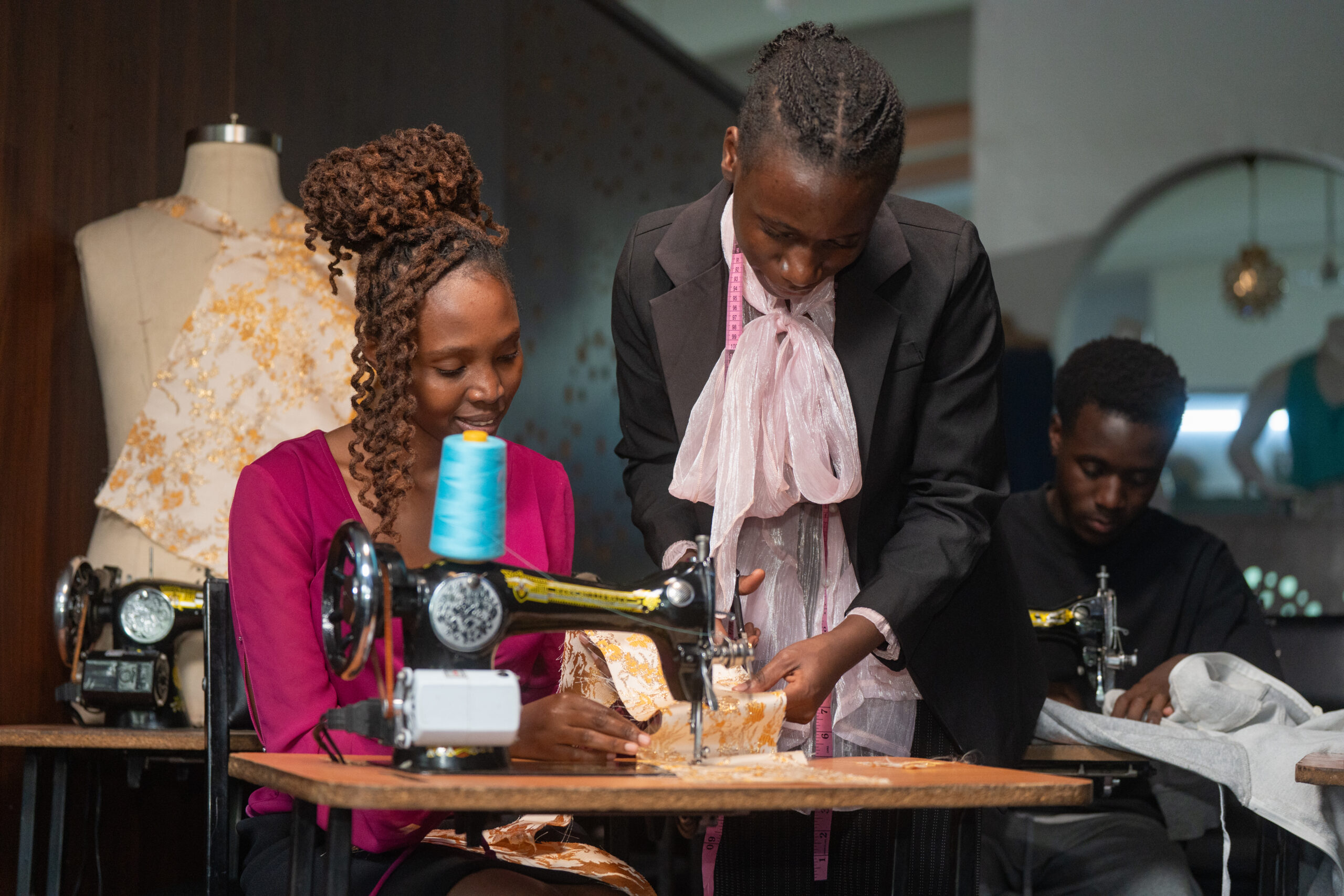
Fashion School Fees in Nairobi (2026 Guide)
Introduction: The Real Cost of Becoming a Fashion Designer in Nairobi
Every designer starts with a vision.
But before that vision becomes a runway piece, boutique brand, or tailoring business, it requires training, tools, mentorship, and structured learning.
One of the first questions aspiring designers ask is:
How much does fashion school actually cost in Nairobi?
The answer depends on several factors:
- Type of program (artisan, certificate, diploma)
- Institution facilities
- Study schedule (full-time vs part-time)
- Equipment and materials
- Accreditation level
This comprehensive 2026 guide breaks down fashion school fees in Nairobi, centered on one of the city’s established accredited training institutions: Delight Technical College. You’ll learn:
- Actual tuition ranges
- Duration by level
- Additional costs students should budget for
- Value comparison with industry averages
- How to choose a program that fits your budget and goals
Understanding Fashion School Fees in Nairobi (2026 Overview)
Fashion education in Kenya falls under the TVET (Technical and Vocational Education and Training) system, meaning fees are usually structured differently from universities.
Across Kenya, typical tuition ranges are:
| Course Level | Duration | Typical Fees |
| Craft/Artisan | 1–2 yrs | KSh 15,000 – 40,000 per year |
| Diploma | up to 3 yrs | KSh 30,000 – 60,000 per year |
| Private certificate | 6–12 months | KSh 40,000 – 80,000 |
| Private diploma | 1.5–3 yrs | KSh 70,000 – 150,000+ per year |
These figures represent tuition only and vary by institution, facilities, and schedule.
Private colleges often cost more than public institutions because they offer:
- Modern equipment
- Smaller class sizes
- Flexible schedules
- Industry-aligned training
Delight Technical College Fashion School Fees (2026)
Located in Nairobi CBD, Delight Technical College offers structured fashion programs at artisan, certificate, and diploma levels.
Tuition Fees
For fashion programs:
- KSh 40,000 per term for diploma, certificate, and artisan courses
This pricing is considered affordable for an accredited CBD-based technical college with professional facilities.
Monthly Short Courses
Flexible fashion training options are also available:
- Day classes — about KSh 12,000 per month
- Evening classes — about KSh 9,500 per month
- Weekend classes — about KSh 8,500 per month
These short modular courses are ideal for:
- Beginners testing interest in fashion
- Working professionals
- Entrepreneurs wanting specific skills
- Students seeking flexible schedules
Additional Mandatory Charges
Students should also budget for administrative and examination costs:
- Statutory fees — about KSh 12,000/year
- Attachment fees — about KSh 10,000/year
- Exam fees — about KSh 8,000 per module
These costs cover:
- Certification processing
- Industry attachments
- Assessment exams
- Institutional administration
Starter & Equipment Costs
Fashion design training involves hands-on practical work. Students typically spend extra on:
- Sewing kits
- Fabric
- Sketchbooks
- Threads
- Tools
Typical costs in Kenya:
- Materials & equipment: KSh 5,000 – 15,000
- Fabric for practice: KSh 2,000 – 5,000 per month
- Final collection project: KSh 10,000 – 30,000
These are industry-standard costs across most fashion schools, not specific to one institution.
Duration of Fashion Programs
Program length determines total cost. At Delight, structured pathways allow students to progress from beginner to diploma level.
Typical durations include:
Short Courses
- Beginner: 3 months
- Intermediate: 3 months
- Expert: 3 months
- Professional: 3 months
Students can stop after any stage or continue progressing.
Full Academic Programs
| Level | Entry Requirement | Duration |
| Diploma | KCSE C- | ~2 years |
| Certificate | KCSE D | ~2 years |
| Artisan | KCPE/KCSE | ~1 year |
These entry levels follow standard TVET progression systems.
Why Fees Differ Between Fashion Schools
Fashion school fees vary widely because of differences in:
- Equipment Quality
Institutions with industrial machines, cutting tables, and pattern labs may charge higher fees to maintain equipment.
Delight provides:
- Electric machines
- Manual machines
- Overlock machines
- Adequate cutting space
- Class Size & Personal Attention
Schools offering one-on-one guidance or small classes typically charge more because teaching is individualized.
Delight advertises personalized instruction and flexible learning hours.
- Accreditation Level
Accredited institutions must maintain standards set by regulators. This often affects pricing due to compliance requirements.
- Facilities
Training environments with studios, workshops, Wi-Fi, and creative labs cost more to run.
. Industry Integration
Programs with internships, fashion shows, exhibitions, or portfolio development include additional costs built into tuition.
Students at Delight participate in events such as fashion shows, exhibitions, and creative industry activities.
Value for Money Analysis (2026)
To determine whether a fashion school is affordable, you should calculate:
Total program cost = tuition + materials + exams + living expenses
Let’s estimate:
Example Diploma Budget (2 Years)
| Category | Estimated Cost |
| Tuition | ~80,000 per year |
| Materials | ~36,000/year |
| Exams & admin | ~30,000/year |
| Total yearly | ~146,000 |
This is a rough projection based on average ranges.
Compared to many creative professional courses, fashion training remains one of the most affordable career education paths.
Comparing Study Modes and Their Costs
Different schedules affect fees.
Full-Time Programs
- Faster completion
- Higher monthly commitment
- Best for recent graduates
Evening Classes
- Lower monthly cost
- Suitable for working students
Weekend Programs
- Cheapest monthly option
- Designed for busy professionals
Flexible schedules at Delight allow students to choose any of these formats.
Affordable Entry Pathways for Beginners
One of the biggest myths about fashion school is that you must start with a diploma.
In reality, many designers begin with artisan courses.
Benefits:
- Lower tuition
- Shorter duration
- Quick skill acquisition
- Faster income opportunities
Because technical training systems allow progression, students can:
Artisan → Certificate → Diploma → Advanced specialization
This staged approach spreads education costs over time.
Return on Investment: Is Fashion School Worth the Cost?
Fashion education is not just an expense — it is an investment.
Graduates can earn income through:
- Tailoring services
- Custom clothing businesses
- Bridal wear design
- Alterations services
- Costume design
- Fashion illustration
- Textile design
- Fashion content creation
Because fashion skills can generate income immediately after training, many students recover tuition costs within their first year of work.
Financial Planning Tips for Fashion Students
If you plan to enroll in a fashion program, consider these budgeting strategies:
- Pay Per Term or Monthly
Flexible payment structures help reduce financial pressure.
- Buy Materials Gradually
Purchase fabrics only when required for assignments.
- Share Equipment
Some tools can be shared with classmates to cut costs.
- Start Freelancing Early
Begin small projects while studying to fund your education.
Scholarships and Payment Flexibility
Many technical colleges offer:
- Installment payment plans
- Discounted bulk payments
- Scholarships for high-performing students
Delight provides discounted fees for bulk payments of 3, 6, or 12 months.
Location Advantage and Cost Savings
Location affects total study expenses.
Students attending CBD institutions often save money because:
- Public transport access is easier
- Walking is possible
- Accommodation options are nearby
- Fabric markets are accessible
A centrally located campus reduces commuting costs significantly.
Hidden Costs Students Often Forget
Besides tuition, fashion students should budget for:
- Printing assignments
- Portfolio photography
- Transport to fabric markets
- Exhibition preparation
- Internship transport
- Portfolio website (optional)
Planning ahead prevents financial stress later.
How to Choose a Fashion School Based on Fees
Do not choose a school based only on price. Instead, evaluate:
Accreditation
Ensures your certificate is recognized nationally.
Facilities
Determine whether equipment matches industry standards.
Practical Training
Fashion is skill-based — theory alone is not enough.
Industry Links
Internships and exposure improve employability.
Learning Schedule
Flexible options help balance work and study.
Why Many Students Prefer Technical Colleges
Technical institutions are increasingly popular for creative careers because they focus on employable skills rather than theory.
Benefits include:
- Hands-on learning
- Shorter programs
- Lower fees than universities
- Faster job readiness
- Entrepreneurial training
Long-Term Cost vs Long-Term Opportunity
The real question is not:
How much does fashion school cost?
It is:
What opportunities will it create?
A student who invests KSh 100,000–200,000 in training can build a career that earns far more over time.
Fashion careers are scalable because skills can expand into:
- Brand ownership
- Fashion technology
- Styling consultancy
- Production management
- Teaching
- International freelancing
Step-by-Step Budget Planning Guide
Here is a practical budgeting checklist for aspiring fashion students in Nairobi:
- Choose program level
- Confirm tuition per term/month
- Estimate material costs
- Add exam fees
- Add living expenses
- Include emergency savings
This structured planning helps you avoid unexpected financial strain.
Who Should Study Fashion in Nairobi?
Fashion school is ideal for:
- Creative students
- Entrepreneurs
- Artists
- Tailors seeking certification
- Stylists
- Costume designers
- Fashion influencers
- Textile enthusiasts
If you enjoy designing, sewing, styling, or creating wearable art, fashion training can turn passion into a profession.
2026 Outlook: Fashion Education Trends in Nairobi
Current trends shaping fashion school fees include:
Increased Demand for Practical Skills
Employers want graduates who can produce garments immediately.
Flexible Learning Models
Weekend and modular courses are becoming standard.
Integration of Technology
Fashion students now learn:
- Digital pattern drafting
- Fashion illustration software
- Online fashion marketing
Final Thoughts: Understanding Value, Not Just Price
Fashion school fees in Nairobi vary widely depending on program level, duration, and facilities. However, when evaluating cost, the smartest approach is to consider value for money, not just the cheapest option.
A well-structured fashion education should offer:
- Recognized certification
- Hands-on training
- Industry exposure
- Career preparation
- Entrepreneurial skills
When these elements are present, tuition becomes an investment rather than an expense.
Contact Information — Delight Technical College
Location: Muindi Mbingu Street, Opposite Jevanjee Gardens, Nairobi City County, Kenya
Call/WhatsApp: +254 722 533 771 / +254 724 566 088
Website: www.delight.ac.ke
Email: [email protected]
Conclusion
Fashion school fees in Nairobi in 2026 range from affordable artisan programs to full diploma pathways. While costs vary, structured institutions offering practical training, flexible schedules, and recognized certification provide the strongest return on investment.
For aspiring designers, the right training environment can make the difference between:
- learning fashion
and - building a fashion career.

You may also like
African Typography and the Design of Kenyan-Language Content

