
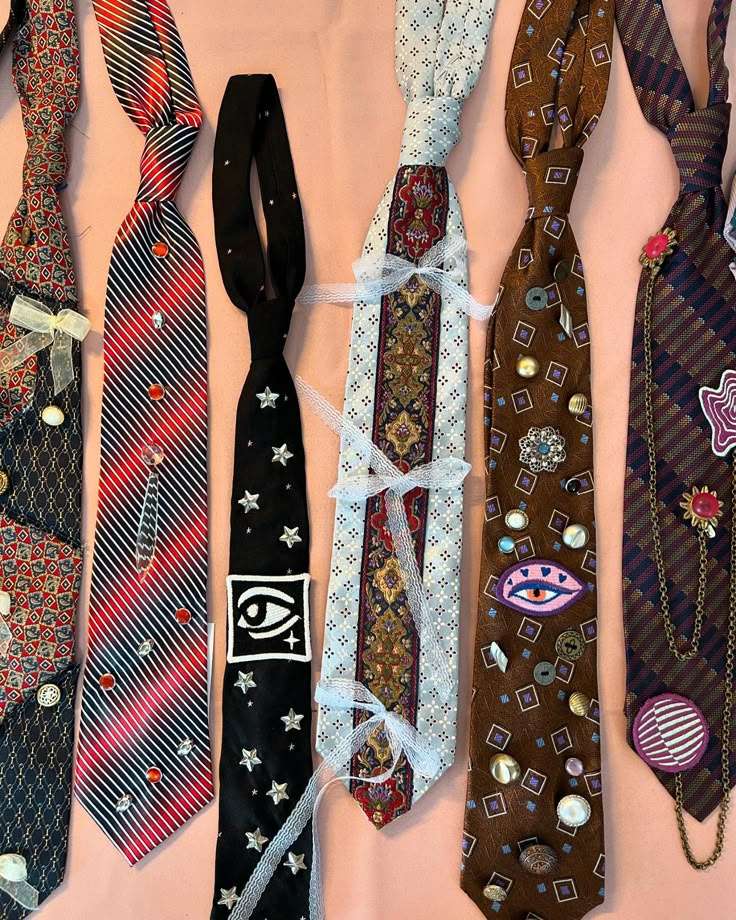
Fashion Design (Dressmaking): The Art of Creating Style
Fashion Design, particularly Dressmaking, is more than just stitching fabrics together — it’s a powerful art form that blends creativity, culture, and craftsmanship. In today’s world, where personal style speaks volumes, dressmaking empowers designers to transform imagination into wearable masterpieces.
What Is Dressmaking?
Dressmaking is a branch of fashion design focused on designing, cutting, and sewing garments, especially dresses, for women and girls. It involves the process of turning raw fabric into finished clothing using patterns, measurements, sewing techniques, and a keen eye for fashion trends.
From casual wear to red carpet gowns, dressmakers play a vital role in defining how people express themselves through clothes.
Key Skills in Dressmaking
- Creativity & Design Sense
A dressmaker must visualize and sketch designs that are both functional and fashionable. Understanding proportions, colors, and silhouettes is essential. - Pattern Drafting
This involves creating templates based on body measurements. Patterns guide the fabric cutting process to ensure a perfect fit. - Sewing & Finishing Techniques
Using machines and hand-stitching methods, dressmakers assemble garments, paying attention to seams, hems, linings, and neat finishes. - Fabric Knowledge
Each fabric behaves differently. Dressmakers must know how materials like silk, cotton, chiffon, and denim respond to cuts, drapes, and sewing. - Attention to Detail
Precision is everything — from matching seams and aligning prints to selecting the right zipper or decorative buttons.
Why Learn Dressmaking?
- Self-Expression: Create clothes that reflect your personality and style.
- Customization: Make garments tailored to fit perfectly — no more compromising on store sizes.
- Career Opportunities: Whether freelancing, launching a brand, or working in fashion houses, skilled dressmakers are in demand.
- Sustainability: Make thoughtful clothing and repair or upcycle old outfits to reduce waste and support eco-fashion.
- Entrepreneurship: Many dressmakers start their own boutiques or tailoring businesses with just a sewing machine and passion.
Tools of the Trade
- Sewing Machine
- Measuring Tape
- Scissors & Rotary Cutters
- Threads, Needles & Pins
- Tailor’s Chalk
- Dress Forms/Mannequins
- Iron & Pressing Tools
With these tools, a designer turns vision into reality — one stitch at a time.
The Future of Dressmaking
With technology entering fashion, digital pattern-making, 3D fashion design, and virtual fittings are becoming part of modern dressmaking. Yet, the heart of the craft — hands-on creativity and passion for fabric — remains unchanged.
Dressmaking continues to evolve, combining tradition with innovation. Whether you’re designing your first skirt or crafting haute couture, fashion design through dressmaking offers endless possibilities to inspire, innovate, and influence.
Conclusion
Fashion Design (Dressmaking) is not just about making clothes; it’s about crafting identity, confidence, and culture. As trends change, one thing remains timeless — the skill and soul of a good dressmaker. Whether as a hobby, a career, or a business, dressmaking opens doors to creativity and opportunity in the colorful world of fashion.
Fashion Design (Dressmaking): The Art of Creating Style
Fashion Design, particularly Dressmaking, is more than just stitching fabrics together — it’s a powerful art form that blends creativity, culture, and craftsmanship. In today’s world, where personal style speaks volumes, dressmaking empowers designers to transform imagination into wearable masterpieces.
What Is Dressmaking?
Dressmaking is a branch of fashion design focused on designing, cutting, and sewing garments, especially dresses, for women and girls. It involves the process of turning raw fabric into finished clothing using patterns, measurements, sewing techniques, and a keen eye for fashion trends.
From casual wear to red carpet gowns, dressmakers play a vital role in defining how people express themselves through clothes.
Key Skills in Dressmaking
- Creativity & Design Sense
A dressmaker must visualize and sketch designs that are both functional and fashionable. Understanding proportions, colors, and silhouettes is essential. - Pattern Drafting
This involves creating templates based on body measurements. Patterns guide the fabric cutting process to ensure a perfect fit. - Sewing & Finishing Techniques
Using machines and hand-stitching methods, dressmakers assemble garments, paying attention to seams, hems, linings, and neat finishes. - Fabric Knowledge
Each fabric behaves differently. Dressmakers must know how materials like silk, cotton, chiffon, and denim respond to cuts, drapes, and sewing. - Attention to Detail
Precision is everything — from matching seams and aligning prints to selecting the right zipper or decorative buttons.
Why Learn Dressmaking?
- Self-Expression: Create clothes that reflect your personality and style.
- Customization: Make garments tailored to fit perfectly — no more compromising on store sizes.
- Career Opportunities: Whether freelancing, launching a brand, or working in fashion houses, skilled dressmakers are in demand.
- Sustainability: Make thoughtful clothing and repair or upcycle old outfits to reduce waste and support eco-fashion.
- Entrepreneurship: Many dressmakers start their own boutiques or tailoring businesses with just a sewing machine and passion.
Tools of the Trade
- Sewing Machine
- Measuring Tape
- Scissors & Rotary Cutters
- Threads, Needles & Pins
- Tailor’s Chalk
- Dress Forms/Mannequins
- Iron & Pressing Tools
With these tools, a designer turns vision into reality — one stitch at a time.
The Future of Dressmaking
With technology entering fashion, digital pattern-making, 3D fashion design, and virtual fittings are becoming part of modern dressmaking. Yet, the heart of the craft — hands-on creativity and passion for fabric — remains unchanged.
Dressmaking continues to evolve, combining tradition with innovation. Whether you’re designing your first skirt or crafting haute couture, fashion design through dressmaking offers endless possibilities to inspire, innovate, and influence.
Conclusion
Fashion Design (Dressmaking) is not just about making clothes; it’s about crafting identity, confidence, and culture. As trends change, one thing remains timeless — the skill and soul of a good dressmaker. Whether as a hobby, a career, or a business, dressmaking opens doors to creativity and opportunity in the colorful world of fashion.

You may also like