Embroidery as a Specialist Trade: Building a Career in Decorative Stitching at Delight
By Delight Technical College | School of Tailoring, Fashion & Design | 2026
While embroidery is touched on within Delight Technical College’s broader Fabric Decoration training, it deserves its own deep exploration as a specialist trade in its own right. Hand and machine embroidery is one of the oldest decorative crafts in human history and one of the most commercially resilient in Kenya’s fashion market, where intricate stitched detail on garments, accessories, and home textiles consistently commands premium prices.
🪡 What Makes Embroidery a Specialist Skill
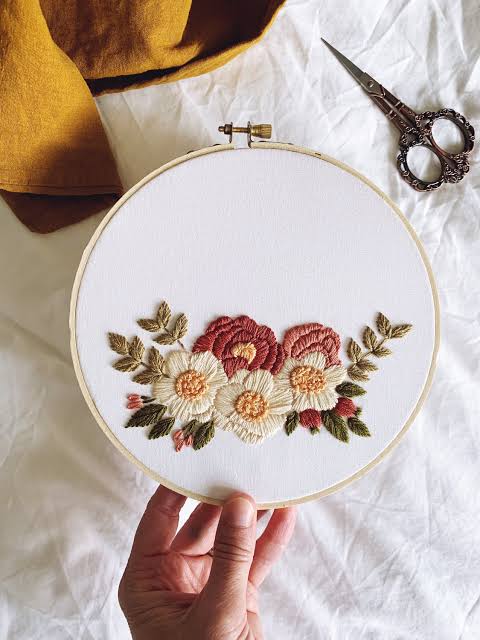
Embroidery requires a level of patience, precision, and design sensibility that goes beyond general garment construction. A skilled embroiderer must understand:
- Stitch vocabulary- chain stitch, satin stitch, French knots, stem stitch, and dozens more, each suited to different effects
- Thread tension and consistency- uneven tension ruins the visual quality of embroidered work
- Design transfer- moving a design from paper to fabric accurately before stitching begins
- Hooping and stabilisation- supporting fabric correctly to prevent puckering and distortion
- Colour blending- using thread colour transitions to create shading and dimension
🖥️ Machine Embroidery vs Hand Embroidery
Hand Embroidery:
Slower, more expensive, and capable of textures and effects that machines cannot replicate (particularly raised, dimensional work like French knots and bullion stitches). Hand embroidery commands the highest prices in bridal and couture markets, where clients pay for visible artisanal quality.
Machine Embroidery:
Faster and more consistent, ideal for production runs, uniform branding, and commercial applications where speed and repeatability matter more than artisanal uniqueness. Computerised embroidery machines can reproduce complex designs (including logos) with precision impossible by hand.
💼 Commercial Applications
- Bridal and occasion wear embellishment- beading and embroidery on wedding gowns and formal attire
- Corporate branding- embroidered logos on uniforms, caps, and corporate gifts
- Cultural and traditional garments- embroidered detail on kanzu, dera, and ceremonial wear
- Home textiles- embroidered cushions, table linens, and decorative pieces
- Personalisation services- monogramming and custom embroidered gifts
🎓 How Delight Builds Embroidery Skills
Embroidery is developed through Delight’s Fabric Decoration module (Level 5, 80 hours) and Decorated Fabrics Production (Level 4, 120 hours), giving students a substantial 200 hours of combined decorative skill-building across their programme. Students practice both hand and machine techniques, developing a portfolio of decorated samples that demonstrate technical range.
🌍 The Kenyan Embroidery Market
From the elaborate embroidered kanzu worn by Swahili coast communities to the corporate uniform market that demands consistent branded embroidery, Kenya’s embroidery market spans cultural, religious, and commercial applications. Skilled embroiderers can build businesses serving any or all of these segments often combining hand-finishing touches with machine-based production for the best balance of quality and efficiency.
“A plain garment becomes a treasured piece the moment skilled hands add embroidered detail. At Delight, we train makers who understand that this transformation is both an art and a business.”
📍 Delight Technical College | Muindi Mbingu Street, Opposite Jevanjee Gardens, Nairobi | +254 722 533 771 | www.delight.ac.ke

You may also like
African Typography and the Design of Kenyan-Language Content

