Documentary vs Narrative Fiction: Understanding Both Great Filmmaking Traditions at Delight
By Delight Technical College | School of Media & AI- Film Production | 2026
There are two great traditions in filmmaking. Documentary draws its power from reality (from real people, real events, and the unscripted truth of lived experience). Narrative fiction draws its power from imagination (from invented characters, scripted stories, and the deliberate construction of a fictional world). Both are studied and practised at Delight Technical College’s Film Production Diploma, because understanding both traditions makes a more complete and versatile filmmaker.
🎬 Documentary Filmmaking
What Defines It:
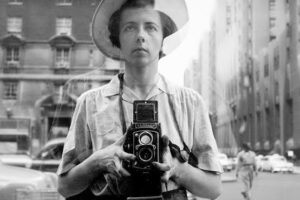
Documentary filmmakers find stories in the real world and capture them with skill and vision. The best documentaries are as carefully crafted as any fiction film using editing, music, structure, and visual storytelling to communicate truth. Kenya’s own documentarians have produced extraordinary work about the country’s communities, wildlife, politics, and culture.
Documentary Styles:
- Observational- the camera observes without intervention, as if invisible
- Participatory- the filmmaker is visible on screen, actively engaging with subjects
- Expository- narration guides the viewer through information and argument
- Hybrid- mixing real footage with dramatic reconstruction
Production Process:
- Deep subject research before filming begins
- Access- building the relationships that allow filming to happen
- Patient observational filming with sensitivity to real subjects
- Interview technique- structured conversations that elicit information and emotion
- Post-production- assembling a coherent narrative from filmed reality
🎭 Narrative Fiction Filmmaking
What Defines It:
Narrative fiction constructs a fictional world that feels real characters who feel like people, situations that feel true. The best fiction films distil truth from reality rather than merely documenting it.
Key Elements:
- Screenplay- characters, dialogue, and story structure in written form
- Casting- actors whose presence makes characters believable
- Production design- creating the physical world of the film
- Performance direction- guiding actors to authentic portrayals
- Editing- assembling the material into an emotionally engaging story
🔗 Where the Two Traditions Meet
- Docudrama- dramatic reconstruction of real events with actors
- Cinema vérité fiction- narrative films using documentary observation style
- Hybrid documentary- mixing real footage with reconstruction
🎓 How Delight Teaches Both
Documentary work:
- Observational short documentary projects- real subjects, no intervention
- Interview technique- the skills documentary depends on
- Documentary ethics- responsibilities to subjects and to truth
Narrative fiction work:
- Scripted short film productions- conceived, cast, and produced within the programme
- Script analysis and breakdown for production planning
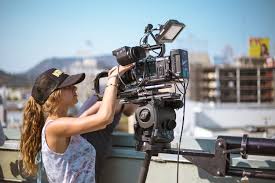
- On-set production management- running a professional fiction shoot
💼 Career Paths in Both Forms
| Documentary Path | Narrative Fiction Path |
| Documentary Director | Feature Film Director |
| Factual TV Producer | Commercial Director |
| Investigative Filmmaker | Music Video Director |
| Corporate Documentary | Short Film Producer |
“The documentary filmmaker asks: what is the truth here, and how do I show it? The fiction filmmaker asks: what is the truth, and how do I invent it? Both need the same skill, seeing deeply and telling honestly.”
📍 Delight Technical College | Muindi Mbingu Street, Opposite Jevanjee Gardens, Nairobi | +254 722 533 771 | www.delight.ac.ke