
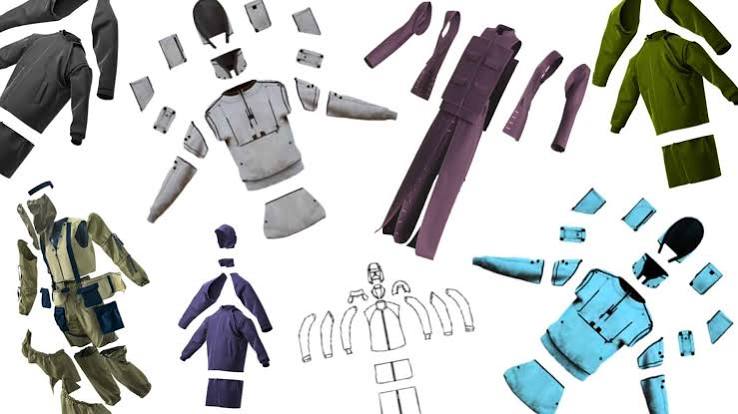
Designing Modular Fashion: Garments That Transform for Multiple Occasions
By Delight Technical College | School of Tailoring, Fashion & Design | 2026
Modular and transformable fashion design garments engineered with removable, reversible, or reconfigurable elements that allow a single piece to serve multiple style purposes represents an innovative and increasingly commercially relevant design approach. For Delight Technical College fashion graduates interested in pushing beyond conventional garment construction, modular design offers both creative challenge and genuine market appeal, particularly among value-conscious and sustainability-minded Kenyan consumers.
🔄 What Is Modular Fashion Design?
Modular fashion refers to garments specifically engineered to be reconfigured through detachable components, reversible construction, adjustable elements, or convertible silhouettes allowing one purchased piece to function as multiple distinct looks, extending its versatility and value beyond a conventional single-purpose garment.
🛠️ Techniques for Modular Design
Detachable Components:
- Removable sleeves that convert a long-sleeved garment to sleeveless
- Detachable collars, peplums, or skirts that attach to a base garment
- Interchangeable straps or panels that allow colour or style variation on a base structure
Reversible Construction:
- Garments constructed to be worn on either side, effectively providing two distinct looks from a single piece requiring careful construction technique to ensure both sides finish to a wearable standard
Convertible Silhouettes:
- Wrap-style garments that can be tied or arranged in multiple configurations
- Adjustable-length pieces- a maxi dress that can be shortened, or a trouser that converts to a different length
- Multi-way garments (particularly common in occasion wear) that can be worn in several distinct strap or neckline configurations
💼 Why Modular Design Has Commercial Appeal
- Value-conscious consumers respond positively to garments that deliver multiple style outcomes from a single purchase
- Sustainability-minded clients appreciate the reduced consumption implied by versatile, multi-purpose garments
- Travel and capsule wardrobe trends favour versatile pieces that reduce the volume of clothing needed for varied occasions
- Modular design offers genuine creative differentiation in a crowded fashion market
🎓 Technical Skills Required
Modular design places additional demands on pattern construction and garment engineering requiring designers to think beyond standard construction toward functional, durable mechanisms (fastenings, reversible seam finishing, adjustable elements) that must work reliably across repeated use:
- Advanced pattern construction (Level 5)- understanding how to engineer functional, reconfigurable pattern elements
- Quality and durability considerations (Level 6 Quality Control)- ensuring modular mechanisms remain functional and attractive through repeated use and laundering
- Creative problem-solving- modular design often requires non-standard construction solutions beyond typical garment-making approaches
🌟 Building a Modular Fashion Specialisation
Designers who develop genuine expertise in modular construction can market this as a distinctive brand differentiator appealing specifically to value-conscious, sustainability-minded, or travel-focused customer segments who actively seek out this kind of versatile, multi-purpose fashion design.
“The most innovative fashion design does not just ask ‘how should this garment look’ but ‘what else could this garment become’. At Delight, we encourage students to push beyond conventional construction toward genuinely creative engineering.”
📍 Delight Technical College | Muindi Mbingu Street, Opposite Jevanjee Gardens, Nairobi | +254 722 533 771 | www.delight.ac.ke