Colour in Fashion Retail Display: How Delight Graduates Design for the Shop Floor
By Delight Technical College | School of Tailoring, Fashion & Design | 2026
The way fashion garments are displayed in retail environments like the arrangement of colours on a rack or display wall, the coordination of mannequin outfits, the grouping of product by colour story, significantly affects how attractive the merchandise appears and how readily customers make purchases. Understanding visual merchandising colour principles is a practically valuable skill for Delight Technical College fashion graduates who either work in retail environments or supply products to them.
🌈 Colour Blocking in Retail Display
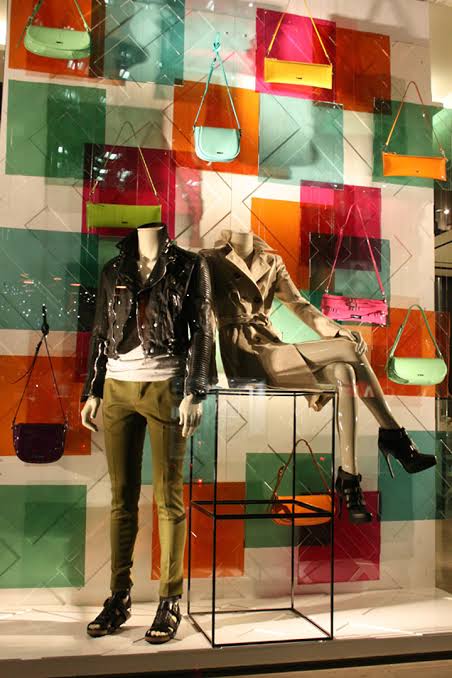
Colour blocking, grouping garments by colour family in a display, is one of the most visually powerful retail merchandising techniques. A rack or wall where similar colours are grouped creates a visually clean, organised, and impactful presentation that is significantly more attractive to customers than random colour mixing.
🎯 The Psychology of Retail Colour
Colour as Navigation:
In a well-merchandised store, colour organisation helps customers navigate to their preferences quickly. A customer who gravitates toward earth tones can immediately identify the relevant area of a display without scanning every individual garment.
Colour as Mood Setting:
The overall colour palette of a retail display communicates mood and brand positioning. A display of rich jewel tones communicates luxury and occasion wear; a display of fresh neutrals and pastels communicates casual, versatile everyday fashion. These mood signals should align with both the season and the brand’s specific market positioning.
Focal Colour Points:
Using one bold, high-contrast colour within an otherwise more neutral display to create a focal point that draws the eye and anchors the display (typically positioned at eye level and at the centre of the most visible display area).
👗 Coordinated Mannequin Display
Mannequin outfits are the visual centrepiece of most fashion retail displays providing complete outfit inspiration that simple product hanging alone cannot achieve:
- Selecting garments that represent the best of current stock and demonstrate outfit-building potential
- Ensuring mannequin outfits are styled with appropriate accessories
- Changing mannequin displays regularly to maintain freshness and ensure different product receives visibility
🔄 Display Rotation and Freshness
- Regular display rotation ensures different stock receives visibility and communicates a sense of newness to repeat customers
- Seasonal colour palette shifts reflect external colour trends and create reasons for existing customers to revisit the store
- Coordinating display changes with new stock arrivals maximises the impact of new merchandise
🎓 Visual Merchandising in Delight’s Curriculum
While visual merchandising is not a standalone Delight module, the colour theory, styling sensibility, and entrepreneurship training across Delight’s fashion curriculum provides the aesthetic and commercial foundation for effective retail display thinking (particularly relevant for graduates who sell through their own boutiques or supply fashion retailers).
“The most beautiful garment can be rendered invisible by poor retail display or made irresistible by excellent visual merchandising. At Delight, we train fashion graduates who understand that making clothes is only half the commercial equation.”
📍 Delight Technical College | Muindi Mbingu Street, Opposite Jevanjee Gardens, Nairobi | +254 722 533 771 | www.delight.ac.ke