Choosing a Fashion School in Nairobi – What Matters (2026 Guide)
Introduction: The School You Choose Shapes the Designer You Become
Every great fashion designer begins somewhere.
Not on a runway.
Not in a studio.
Not on a magazine cover.
But in a classroom.
The school you choose determines how you learn, who teaches you, what tools you access, and how prepared you’ll be for the fashion industry. In a creative field like fashion design, the difference between an average education and a strong one can mean the difference between struggling for clients and building a thriving brand.
In Nairobi — one of East Africa’s fastest-growing creative capitals — aspiring designers have more choices than ever. But with choice comes risk. Some institutions promise results but lack accreditation. Others teach theory without practical exposure. Some are affordable but don’t prepare students for real careers.
This guide explains what truly matters when choosing a fashion school in Nairobi, using real industry standards and verified education principles — while highlighting how a career-focused institution like Delight Technical College meets these criteria for serious fashion students in 2026.
- Accreditation: The Foundation of a Legitimate Fashion Education
If you remember only one rule when choosing a fashion school, remember this:
Always check accreditation first.
In Kenya, technical and vocational institutions are regulated by the Technical and Vocational Education and Training Authority (TVETA), which ensures schools meet national standards for training quality, facilities, and staff qualifications.
TVETA’s role includes:
- Licensing institutions
- Approving programs
- Registering trainers
- Monitoring compliance with national standards
Why this matters:
- Employers recognize certificates from accredited institutions.
- Students avoid wasting money on unrecognized qualifications.
- Graduates gain credibility locally and internationally.
Accreditation bodies verify that institutions have qualified trainers, proper learning resources, safe environments, and industry-aligned programs.
In fact, graduates from accredited institutions often have higher employability because employers trust the training quality.
What to check before enrolling
- Accreditation number
- Exam body recognition
- Program registration status
Delight Technical College Advantage
Delight Technical College is officially approved by the Ministry of Education and registered under TVETA (Registration No. TVETA/PRIVATE/TVC/0080/2022). This means its programs meet national education standards and are legally recognized for employment and further studies.
- Curriculum Structure: Theory + Practice = Real Skills
Fashion is not a purely academic discipline. It is a skill.
A strong fashion program should combine:
- Design theory
- Textile science
- Pattern drafting
- Garment construction
- Digital design
- Entrepreneurship
Experts recommend choosing schools that balance theory with hands-on, industry-based learning because this produces graduates who can actually work professionally.
Top institutions structure their curriculum from beginner to advanced levels, ensuring progressive skill development rather than overwhelming students with advanced topics too early.
Delight Technical College Fashion Pathways
The institution offers multiple progression levels:
| Level | Course | Duration |
| Diploma | Fashion Design Level 6 | 2 Years |
| Higher Certificate | Fashion Design Technology Level 5 | 2 Years |
| Certificate | Fashion Design Technology Level 4 | 2 Years |
| Artisan | Dressmaking / Tailoring | 1 Year |
This structure allows students to start from beginner level and advance step-by-step toward professional expertise.
- Facilities and Equipment: Your Tools Shape Your Talent
Fashion is a technical craft. The tools you train with determine your precision, speed, and creativity.
High-quality fashion schools should provide:
- Design studios with workspace and lighting
- Textile labs for fabric experimentation
- Pattern-cutting rooms
- Industrial sewing machines
- Computer labs with design software
- Research libraries
Well-equipped facilities significantly improve learning outcomes and creativity because students can experiment, prototype, and refine ideas in real time.
Without proper equipment, students graduate with theoretical knowledge but no technical ability — a major disadvantage in fashion careers.
Delight Technical College Facilities
Students benefit from:
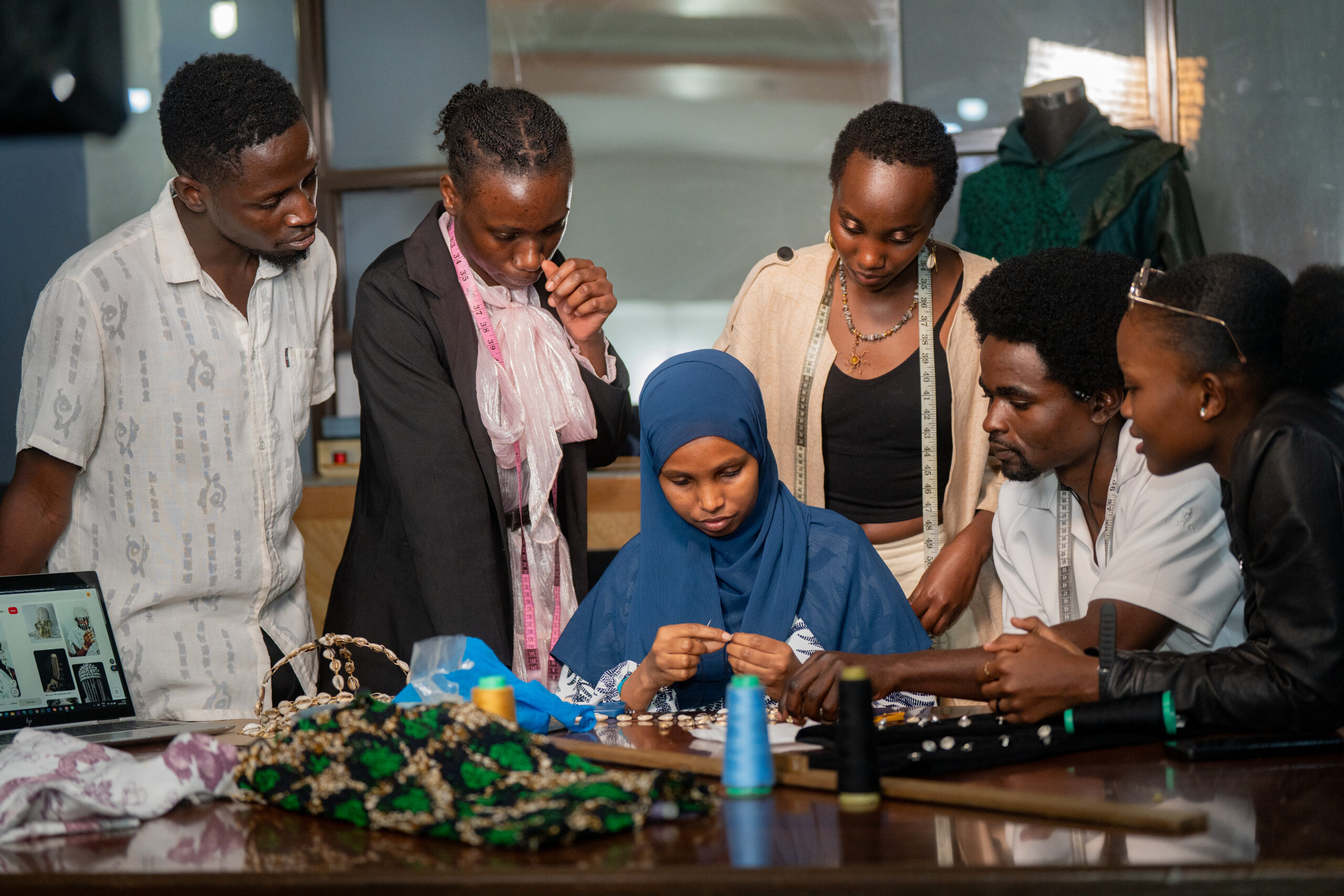
- Modern workshops and studios
- ICT labs for digital design
- Practical training environments
- Free Wi-Fi for research and portfolio work
These facilities support skill development across both manual and digital fashion production methods.
- Industry Exposure: Where Classroom Meets Career
Fashion is relationship-driven. Many opportunities come through:
- Internships
- Industry events
- Fashion shows
- Collaborations
- Mentorship
Schools with industry connections provide students with early professional exposure — often leading to employment or freelance opportunities before graduation.
Recommended indicators of strong industry exposure:
- Guest lectures by designers
- Internship placements
- Student fashion shows
- Industry competitions
- Partnerships with brands
Delight Technical College Industry Integration
The college emphasizes real-world exposure through:
- Internship programs
- Fashion events
- Creative exhibitions
- Mentorship programs
This approach ensures students graduate with experience, not just certificates.
- Trainers and Mentorship: Learn from Professionals, Not Just Teachers
A fashion school is only as good as its instructors.
TVETA accreditation requires institutions to employ qualified trainers who meet professional standards.
Strong instructors should have:
- Industry experience
- Technical expertise
- Teaching ability
- Portfolio credibility
Mentorship is especially important in fashion because design is both technical and artistic. Students need guidance not only on sewing techniques but also on brand identity, styling, and client work.
Delight Technical College Teaching Philosophy
The institution prioritizes:
- Experienced instructors
- Practical demonstrations
- One-on-one guidance
- Career mentorship
This helps students develop confidence alongside technical competence.
- Flexible Study Options: Education That Fits Your Life
Many fashion students juggle:
- Jobs
- Freelance work
- Businesses
- Family responsibilities
Schools that offer flexible schedules make it easier for students to complete training without sacrificing income or obligations.
Flexible learning options may include:
- Day classes
- Evening classes
- Weekend programs
Delight Technical College Flexibility
Students can choose study schedules that fit their lifestyle, making education accessible for both full-time learners and working professionals.
. Location Matters: Accessibility Affects Consistency
Location affects:
- Attendance
- Transport costs
- Safety
- Networking opportunities
A centrally located school offers easier access and more exposure to business districts, suppliers, and clients.
Campus Location
Delight Technical College is located in Nairobi CBD:
Muindi Mbingu Street
Opposite Jevanjee Gardens
Nairobi City County, Kenya
A central location makes commuting easier and connects students directly to Nairobi’s commercial and fashion markets.
- Fees vs Value: Cheap Isn’t Always Better
When choosing a fashion school, don’t ask:
“What is the cheapest option?”
Ask:
“What gives the best value for money?”
Important factors when evaluating fees:
- Quality of training
- Facilities
- Accreditation
- Industry exposure
- Certification recognition
Affordable tuition with strong training provides the best return on investment.
Delight Technical College Fees (2026)
Fashion School Programs:
- Tuition: KSh 40,000 per term
- Statutory fees: KSh 12,000/year
- Attachment fees: KSh 10,000/year
- Exam fees: KSh 8,000/module
Considering the facilities, accreditation, and industry exposure provided, this pricing structure is competitive for career-focused training.
- Career Preparation: The Goal Isn’t Graduation — It’s Employment
The best fashion schools prepare students for real careers, not just exams.
Signs of strong career preparation:
- Entrepreneurship training
- Portfolio development
- Business skills
- Branding knowledge
- Client management training
Industry-aligned training increases graduates’ chances of finding jobs quickly because skills match market needs.
Delight Technical College Career Support
Students receive:
- Entrepreneurship training
- Career guidance
- Internship placements
- Portfolio development support
This ensures graduates leave with both skills and career direction.
- Learning Pathways: Growth Shouldn’t Stop After One Course
Great schools offer progression pathways so students can advance their qualifications over time.
TVETA-regulated institutions often structure programs to allow movement from artisan level to diploma level, ensuring long-term professional growth.
Delight Technical College Progressive Learning
Students can move from:
Artisan → Certificate → Diploma
This step-by-step structure supports continuous career advancement.
- Student Support Systems: Success Requires More Than Classes
Support services can determine whether students complete their courses successfully.
Strong schools offer:
- Mentorship
- Scholarships
- Accommodation support
- Career counseling
- Learning resources
Delight Technical College Student Support
The institution provides:
- Scholarship opportunities
- Hostel placement assistance
- Friendly learning environment
- Mentorship programs
- Digital literacy training
Support systems reduce dropout risk and improve performance.
- Red Flags to Avoid When Choosing a Fashion School
Before enrolling anywhere, watch out for these warning signs:
- No accreditation proof
- No workshop facilities
- Only theoretical teaching
- No portfolio output
- No alumni success stories
- Hidden fees
- No internship opportunities
If a school cannot clearly show evidence of quality training, it’s risky to invest your time and money.
- Why Choosing the Right School Matters More Than Talent Alone
Talent alone does not make a designer successful.
Skill development requires:
- Practice
- Feedback
- Exposure
- Resources
- Mentorship
A strong institution accelerates growth by providing all these elements in a structured environment.
Choosing the right school is not just an academic decision — it’s a career decision.
- Why Delight Technical College Stands Out for Fashion Students (2026)
Based on the key decision factors experts recommend when choosing a fashion school — accreditation, curriculum, facilities, industry exposure, and mentorship — Delight Technical College aligns with each standard.
Key strengths:
- Accredited by TVETA
- Practical training approach
- Modern facilities
- Industry partnerships
- Flexible schedules
- Affordable fees
- Progressive learning pathways
- Strong career preparation
In short:
It is designed for students who want employable skills, not just certificates.
- How to Apply
Campus: Muindi Mbingu Street, Opposite Jevanjee Gardens, Nairobi
Call/WhatsApp: +254 722 533 771 / +254 724 566 088
Website: www.delight.ac.ke
Email: info@delight.ac.ke
Application Requirements
- KCPE/KCSE result slip or certificate
- National ID copy
- Birth certificate (if applicable)
- 2 passport photos
Final Thoughts: Choose With Strategy, Not Emotion
Choosing a fashion school is exciting — but it should also be strategic.
The right institution will:
- Train your hands
- Sharpen your eye
- Build your confidence
- Connect you to industry
- Prepare you for real work
The wrong one will only give you notes and exams.
If you evaluate your options using the criteria in this guide — accreditation, facilities, curriculum, exposure, mentorship, and value — you’ll be able to choose a school that truly supports your career goals.
And in Nairobi’s competitive fashion industry, that decision could define your future.