
African Fashion & Design Education at Delight Technical College | Nairobi TVET
A Cloth, A Culture, A Calling
Imagine a single thread. Now imagine that thread woven into a tapestry so vast and varied that it pulses with the rhythms of an entire continent — its histories, its triumphs, its resilience. That is African fashion. Not simply garments draped over bodies, but a living chronicle of identity, resistance, beauty, and innovation.
From hand-spun cotton dyed with earth and mud to cutting-edge catwalks in Lagos and Nairobi, African fashion has never been static. It evolves, reflects, and speaks. And today, as the global fashion world awakens to Africa’s influence, institutions like Delight Technical College in Nairobi are stepping forward not merely as schools, but as guardians and innovators of this legacy.
- The Ancient Loom: How African Fashion Began
Origins Before “Fashion” Was Even a Word
Long before the word fashion was coined in Europe, Africans were already mastering the art of clothing and adornment. Across different regions of the continent, dress was never just about covering bodies — it was deeply tied to identity, status, spirituality, and community.
In the Nile valleys of ancient Egypt, finely woven linen was a marker of social hierarchy. In West Africa, skillful weavers produced bold textiles that communicated wealth, lineage, and belonging. These early garments weren’t runway trends — they were cultural codes.
Textiles as Stories: Kente, Mud Cloth, and More
Consider Kente cloth of Ghana. Its bright, interlocking patterns were not simply artistic — each pattern and color conveyed symbolic meaning, often reserved for royalty or important ceremonies. It was (and is) visual language woven in silk and cotton.
In Mali, artisans perfected bogolanfini — mud-dyed cloth — painstakingly dyed with fermented earth that leaves rich, deep tones and symbolic geometric symbols. These symbols might communicate wisdom, protection, or cultural stories passed through generations.
In East Africa, the kanga emerged from cloth originally brought by traders and transformed over time into vibrant, expressive cloth worn by women in daily life — often printed with proverbs or social messages.
Across the continent, fabrics like Aso-oke (Nigeria), Korhogo cloth (Ivory Coast), and Alindi (Somalia) became carriers of culture — not mere textiles.
Adornment as Identity
Clothing did more than cover the body — it defined it. Beads, shells, skins, feathers, and painted bodies were woven into the fabric of life itself. A warrior’s attire might evoke courage. A bride’s dress might invoke fertility. A chief’s robe might echo generations of leadership. These aesthetic choices were language, made visible.
- Trade, Exchange, and Transformation
When the World Became Smaller
As trade routes expanded — across the Sahara, along the Indian Ocean, and later through the trans-Atlantic slave trade — textiles and techniques traveled too. These exchanges wove foreign materials and ideas into African traditions, but Africans did something remarkable:
They made them their own.
Wax prints, for example, were originally produced in Indonesia and later marketed to Europeans, who then introduced them to West Africa. Africans didn’t just accept them — they personalized them, assigning local meanings and patterns that transformed the cloth into something authentically African.
Colonial Encounter: Adoption and Resistance
Colonialism attempted to redefine African attire through Western dress codes and norms. Urban elites sometimes adopted Western-style garments for convenience or perceived status, while rural communities continued traditional dress or blended elements of both.
But even when African dress adapted, it wasn’t passive. In many cases, traditional elements remained central to identity and expression. Clothing became a quiet form of resistance — visibly marking heritage even in the face of imposed culture.
III. The Global Stage: African Fashion in the Modern Era
Post-Independence and New Narratives
As African nations gained independence in the mid-20th century, fashion once again became a form of storytelling — this time about nationhood, freedom, and vision.
Designers wandered back to roots — reclaiming fabrics, celebrating indigenous styles, and questioning Western norms of beauty and elegance. Fashion was about more than clothes; it was about who we are and who we could be.
From Cultural Expression to International Influence
Today, African fashion is being celebrated on global stages. Designers from Lagos to Johannesburg are not merely participating in the international fashion scene — they are reshaping it. Shows like Lagos Fashion Week now draw global attention, celebrating designers who blend tradition with innovation, sustainability, and bold creativity.
Young African designers are crafting narratives that speak to both heritage and the contemporary world, pushing African fashion beyond stereotypes and into authorship of its own story.
Sustainability, Identity, and New Values
Across East Africa, events like Nairobi Fashion Week are foregrounding themes of sustainability — creative reuse, eco-friendly techniques, and cultural storytelling — spotlighting designers whose work reflects values not just style.
- Africa Then and Now: A Comparative Reflection
Then — Fashion as Cultural Identity
In earlier epochs, clothing was deeply embedded in ritual, status, and daily life. Garments communicated lineage, spiritual affiliation, and community belonging. Fashion wasn’t seasonal — it was cultural DNA expressed in textiles.
Now — Fashion as Global Conversation
Today, fashion in Africa is both rooted in heritage and engaging in global conversations. Designers take traditional fabrics and motifs and reinterpret them for modern markets, runway shows, and international commerce. This era sees fashion as both art and industry — a powerful economic and cultural force.
- The Role of Education: Training the Next Generations
Why Education Matters
If African fashion is the story, then education is one of its most powerful tools for continuation, evolution, and impact.
Understanding heritage without training in technique limits expression. Conversely, training in technique without a deep sense of cultural context produces work that lacks soul. The most impactful fashion designers merge both — and that’s where institutions like Delight Technical College come in.
Delight Technical College: A Legacy Builder
In the heart of Nairobi, Kenya, Delight Technical College stands as a beacon for fashion education — offering programs that teach not just the mechanics of design, sewing, and textiles, but also the history, identity, and purpose behind fashion.
At Delight, students learn:
- Fashion history and trends — to ground creativity in context.
- Textile science — understanding the body of materials themselves.
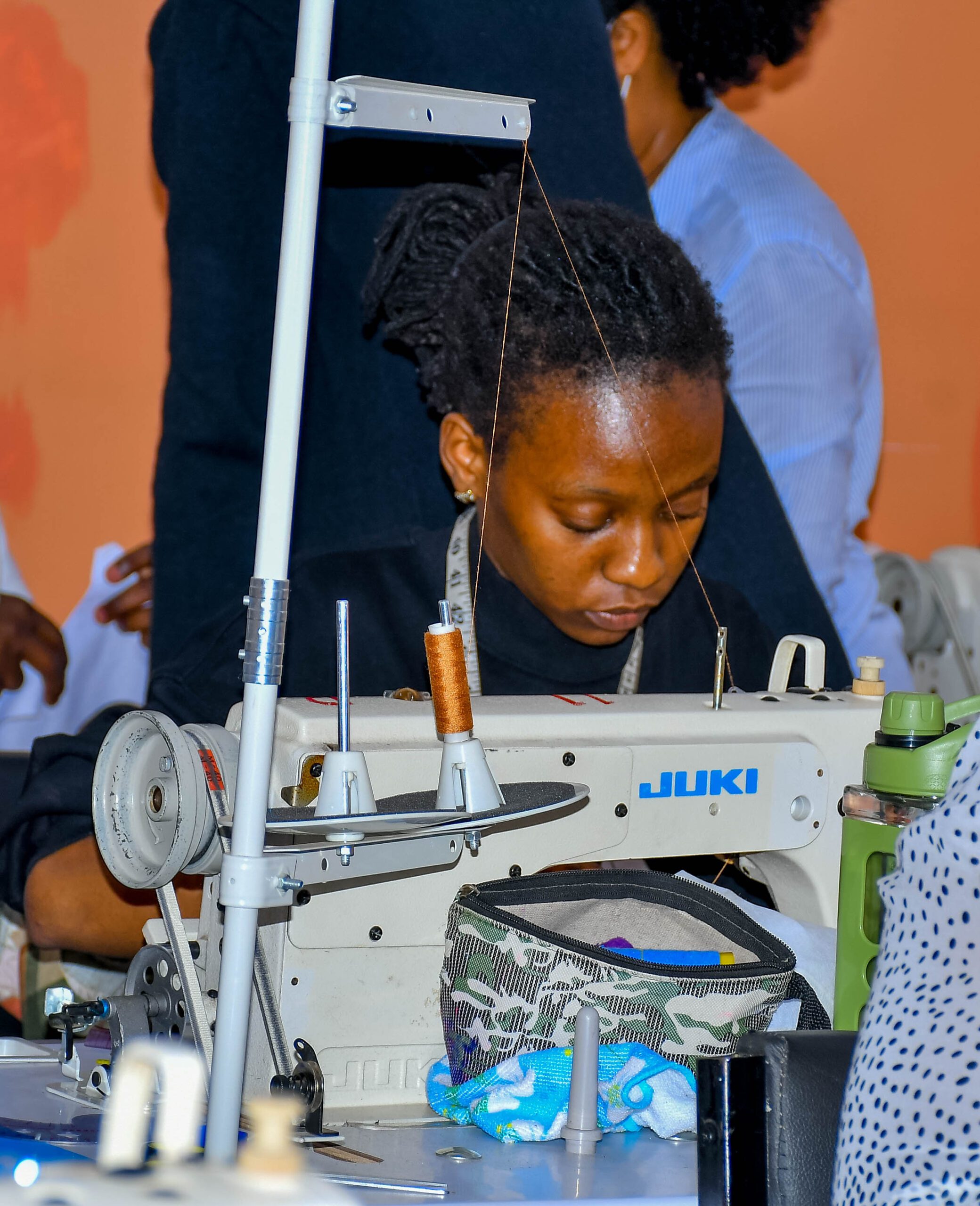
- Garment construction and fashion illustration — bringing ideas to life with technical prowess.
- Fashion marketing, branding, and entrepreneurship — preparing students to launch brands and cultivate careers.
Delight doesn’t just train designers; it nurtures storytellers, innovators, and cultural ambassadors.
A Community of Creators
Through fashion shows, collaborations with brands across Africa, and over 150 local and international events, Delight students don’t just learn — they perform, collaborate, and connect with the living industry.
Delight’s community — over 20,000 strong — bridges the gap between classroom learning and real industry opportunities.
Sustainability, Innovation, and Impact
Delight embraces sustainable and ethical fashion — preparing students not just to design beautiful garments but to think responsibly about production, materials, and their role in the world.
This is crucial. As African fashion rises on the global stage, it does so not merely as decoration — but as values-driven expression. Designers emerging from programs like Delight’s are leading that charge.
- Conclusion: Join the Legacy
From the looms of ancient weavers to the bright lights of modern fashion runways, the story of African fashion is a story of resilience, identity, innovation, and beauty. It reminds us that clothing is never just clothing — it’s a mirror of culture, an archive of history, and a blueprint for the future.
Today, as African fashion ascends internationally, the world is beginning to see what Africans have always known: fashion is powerful.
And the next generation of fashion leaders — the thinkers, creators, and storytellers — are being trained right now at places like Delight Technical College, where students learn not just how to make clothes, but how to make history.
Be Part of the Story
If you’ve ever dreamed of becoming a fashion designer — someone who shapes culture, defines identity, and influences the world — your journey starts today.
Explore the fashion and design programs at Delight Technical College.
Learn the history, master the craft, build your brand, and continue the legacy of African fashion.
Enroll now and be the next voice in this vibrant, global story.