Typography: The Design Skill That Makes Everything Better Without Anyone Noticing
By Delight Technical College | School of Media & AI- Graphic Design | 2026
Every logo that felt right, every poster that stopped you in your tracks, every app that felt clean and easy to use, the typography was doing crucial invisible work. Typography is the art and craft of arranging type to make written language legible, readable, and visually compelling. It is the most fundamental skill in graphic design, and at Delight Technical College it is developed with the depth and rigour the profession demands.
🔤 What Typography Really Involves
- Typeface selection- choosing fonts that communicate the right character and values
- Size and scale- establishing visual hierarchy through type size
- Weight- using bold, regular, and light to create contrast and emphasis
- Tracking, kerning, and leading- spacing between letters, pairs, and lines
- Colour in type- communicating meaning and creating contrast
- Alignment- left, right, centred, and justified each communicate differently
- Hierarchy- organising information visually so the most important is seen first
📖 The Four Essential Typeface Categories
Serif:
Finishing strokes on letterforms. Associated with tradition, authority, and readability in long text. Times New Roman, Georgia, Garamond. Used in newspapers, legal documents, and traditional brand identities.
Sans-Serif:
No serifs (clean, geometric, modern). Associated with clarity and digital contexts. Arial, Helvetica, Futura. Used in technology brands, contemporary editorial, and digital interfaces.
Display and Decorative:
Designed for headlines at large sizes (high visual impact but unsuitable for body text). Used sparingly and intentionally.
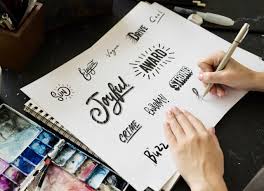
Script:
Mimicking handwriting (elegance, warmth, and personality). Used for invitations, luxury brands, and contexts requiring a human touch.
🎨 Typographic Hierarchy in Practice
Professional typographic hierarchy uses size, weight, and style to guide the reader’s eye:
- Display/Hero text- the largest, most dominant type; headlines and key messages
- Heading levels- progressively smaller for section and sub-section headers
- Body text- optimised for readability at smaller sizes over extended reading
- Supporting text- captions, labels, and metadata
- Call to action- maximum clarity to invite specific reader behaviour
🌍 Typography for Kenyan and African Contexts
- Kiswahili typography- ensuring choices work well with specific character combinations
- Multilingual design- many Kenyan designs must work in English and Kiswahili simultaneously
- Cultural connotation- some typefaces carry Western associations that may not translate
- Pan-African aesthetics- bold, vibrant type reflecting African visual culture
🎓 Typography Training at Delight
- Typeface classification and selection for different design contexts
- Setting body text for maximum readability- measure, leading, and spacing
- Logo and wordmark typography- type-based brand identity design
- Digital typography- screen optimisation and web font selection
- Social media typography- designing for small screens and rapid consumption
💼 Why Mastery Matters
Clients feel the difference between confident typography and careless type choices even when they cannot articulate why. Designers who master typography produce work that feels polished and credible. It is one of the fastest ways to elevate the quality of all your design work simultaneously.
“The best typography is invisible. It serves the message so seamlessly that the reader never thinks about the type at all. Achieving that invisibility is one of design’s highest skills.”
📍 Delight Technical College | Muindi Mbingu Street, Opposite Jevanjee Gardens, Nairobi | +254 722 533 771 | www.delight.ac.ke