Audio Production and Sound Design: The Invisible Art That Makes Film Come Alive
By Delight Technical College | School of Media & AI | 2026
You can watch a film with poor picture quality and still follow the story. Watch the same film with bad audio and you will switch off within minutes. Sound is the most underappreciated element of film and video production and yet it is arguably the most important. Audiences are far more forgiving of visual imperfection than audio problems. At Delight Technical College, audio production is taught as the serious craft it is.
🎙️ Why Audio Matters So Much
Research in film psychology consistently shows that viewers judge the overall quality of a film primarily through its audio quality. Clean, well-balanced audio makes footage look better. Poor audio makes even beautiful visuals feel amateurish. For Delight film and videography graduates who want to be taken seriously as professionals, mastering audio is non-negotiable.
🎚️ The Elements of Production Audio
Dialogue Recording:
- Boom microphone operation- the most commonly used technique for film dialogue
- Lavalier (lapel) microphone placement- for interview and documentary work
- Wireless microphone systems- enabling free movement while recording clean audio
- Managing room acoustics- understanding how different environments affect sound
- Room tone recording- capturing ambient sound for audio editing continuity
Production Sound Challenges:
- Wind noise management- using blimps, dead cats, and positioning
- Avoiding background noise like traffic, air conditioning, crowds
- Distance and proximity- understanding how microphone distance affects sound quality
- Multi-source environments- recording in spaces with multiple sound sources
🎧 Post-Production Audio
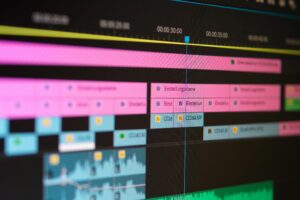
Audio Editing:
- Cleaning dialogue tracks- removing pops, clicks, and background noise
- EQ and compression- shaping the tone and dynamics of dialogue
- Lip-sync correction- ensuring audio matches the visual precisely
Sound Design:
- Foley recording- creating and recording everyday sounds in a controlled environment
- Sound effects libraries- sourcing and applying appropriate effects
- Atmospheric sound- building the sonic world of a film with ambient texture
Music:
- Music selection- choosing music that serves the emotional narrative
- Music licensing- understanding copyright for film music
- Score and original music- working with composers
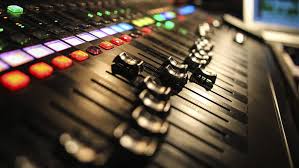
Audio Mixing:
- Balancing dialogue, music, and effects
- Creating depth and space in the audio landscape
- Mastering for different delivery formats (cinema, broadcast, and streaming)
“Close your eyes during a great film and you still know exactly what is happening. That is the power of audio. At Delight, we train our students to create that power.”
💡 Students who develop audio skills alongside video skills are significantly more employable than those who only understand the visual side of production.
📍 Delight Technical College | Muindi Mbingu Street, Opposite Jevanjee Gardens, Nairobi | +254 722 533 771 | www.delight.ac.ke