Skills Every Fashion Designer Must Have in Kenya (2026 Guide)
Introduction: Talent Starts a Designer — Skills Build a Career
Many people love fashion.
Few master it.
Even fewer turn it into a stable, profitable career.
The difference is skill.
In Kenya’s rapidly growing fashion industry, creativity alone is no longer enough. Designers today must combine technical expertise, business intelligence, digital literacy, and professional discipline to succeed. Whether you dream of launching a clothing brand, becoming a stylist, running a tailoring studio, or working in film costume design, your success depends on mastering the right skills.
Professional training institutions such as Delight Technical College emphasize that modern fashion designers must develop both creative and technical competencies to compete in 2026’s evolving market.
This complete guide explores:
- Core technical skills every designer must master
- Business and professional skills required in Kenya
- Digital skills shaping the future of fashion
- Industry expectations from employers
- How structured training builds these abilities
If you want to succeed in fashion, these are the skills that truly matter.
Why Skills Matter More Than Talent in Fashion
Talent is natural. Skill is built.
A talented person might sketch beautiful outfits. A skilled designer can:
- Draft patterns precisely
- Sew professionally finished garments
- Price products correctly
- Meet deadlines
- Manage clients
- Scale a business
Kenya’s fashion industry is becoming more competitive each year. Designers now compete not only locally but globally through e-commerce and social media. Clients expect:
- Professional finishing
- Proper fit
- Durable garments
- Unique designs
- Reliable delivery
Without strong skills, even creative designers struggle to maintain clients.
Core Technical Skills Every Fashion Designer Must Have
Technical skills form the foundation of fashion. These are non-negotiable abilities every serious designer must develop.
- Garment Construction
Garment construction is the backbone of fashion design. It includes:
- Cutting fabric correctly
- Stitching techniques
- Seam finishing
- Zipper installation
- Hemming
- Lining garments
A designer who cannot construct garments professionally cannot compete in the market.
Professional training programs accredited by bodies like TVET-CDACC emphasize hands-on construction training because it directly determines employability.
- Pattern Drafting
Pattern drafting is the technical language of fashion.
It allows designers to:
- Create precise garment shapes
- Adjust sizing
- Modify designs
- Scale production
Designers who rely only on ready-made patterns often struggle to customize garments. Skilled pattern drafters can create any design from scratch.
- Fabric Knowledge
Professional designers must understand textiles, including:
- Fabric types
- Fiber content
- Fabric behaviour
- Shrinkage
- Stretch
- Durability
Different fabrics behave differently when sewn or worn. Choosing the wrong fabric can ruin an entire garment.
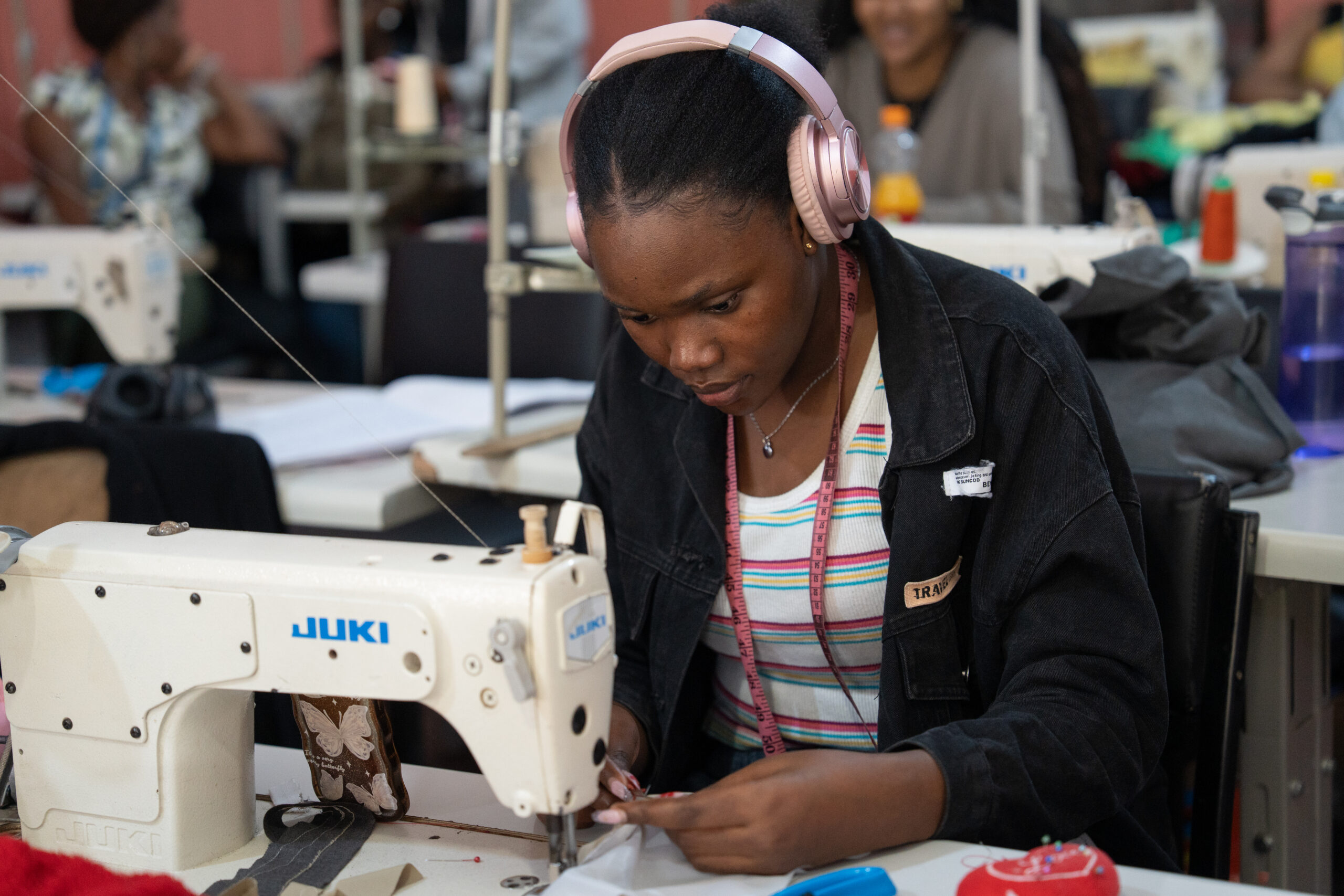
- Sewing Machine Mastery
Modern designers must know how to operate:
- Industrial machines
- Domestic machines
- Overlock machines
- Cover stitch machines
Speed and precision increase dramatically when a designer is confident with equipment.
- Measurement Accuracy
Poor measurement skills lead to:
- Ill-fitting clothes
- Customer complaints
- Returns
- Lost clients
Professional designers learn proper body measurement techniques to ensure perfect fit.
- Garment Finishing Techniques
Finishing separates amateurs from professionals.
Key finishing skills include:
- Clean seams
- Pressing techniques
- Thread trimming
- Stitch consistency
- Structured shaping
Clients notice finishing immediately.
- Fashion Illustration
Sketching allows designers to:
- Communicate ideas
- Present concepts
- Show clients previews
- Plan collections
Illustration doesn’t require artistic perfection — it requires clarity and proportion accuracy.
- Digital Design Skills
The modern fashion industry is increasingly digital. Designers benefit from learning:
- Fashion illustration software
- Pattern design tools
- Mock-up software
- Portfolio creation tools
Digital skills allow designers to work with international clients and manufacturers.
Creative Skills That Define Successful Designers
Technical ability ensures functionality. Creativity ensures originality.
- Design Innovation
Designers must develop their own style rather than copying trends. This requires:
- Research
- Experimentation
- Cultural awareness
- Trend analysis
Unique design identity is what makes brands memorable.
- Colour Theory
Colour combinations affect how garments look, feel, and sell.
Designers must understand:
- Colour harmony
- Contrast
- Seasonal palettes
- Cultural colour symbolism
Colour knowledge improves both aesthetics and marketability.
- Styling Ability
Designers who can style outfits professionally gain an advantage. Styling skills include:
- Accessory pairing
- Layering
- Fabric coordination
- Silhouette balance
Stylists often earn additional income from photoshoots and events.
- Trend Awareness
Fashion evolves constantly. Designers must monitor:
- Global trends
- Local trends
- Cultural influences
- Seasonal demands
Trend awareness helps designers stay relevant without losing originality.
Business Skills Every Kenyan Fashion Designer Needs
Fashion is not just art. It is business.
Many talented designers fail because they lack business knowledge.
- Pricing Strategy
Designers must learn how to price garments profitably.
Pricing should consider:
- Fabric cost
- Labor time
- Overhead expenses
- Skill level
- Market demand
Under-pricing leads to burnout. Overpricing without value drives clients away.
- Customer Service
Satisfied clients become repeat clients.
Strong customer service skills include:
- Listening to client needs
- Clear communication
- Professional behaviour
- Meeting deadlines
- Branding and Marketing
A designer’s brand determines visibility.
Essential branding skills:
- Logo identity
- Brand colours
- Social media presentation
- Portfolio curation
- Storytelling
- Financial Management
Designers must track:
- Expenses
- Profit margins
- Inventory
- Cash flow
Without financial skills, even successful designers can run unprofitable businesses.
- Time Management
Fashion work often involves tight deadlines.
Strong time management ensures:
- Orders delivered on time
- Stress reduction
- Better productivity
- Professional reputation
Professional Skills Employers Look For
Employers hiring fashion graduates expect more than technical ability.
They look for:
- Discipline
- Reliability
- Communication skills
- Teamwork
- Problem-solving ability
Structured training environments help students develop these professional habits alongside technical skills.
Entrepreneurial Skills for Fashion Designers
Kenya has a strong entrepreneurial culture. Many designers choose self-employment instead of formal jobs.
Entrepreneurial skills include:
- Business planning
- Market research
- Supplier sourcing
- Negotiation
- Inventory control
Training programs that integrate entrepreneurship modules prepare students to run successful fashion businesses.
igital Skills Shaping the Future of Fashion Careers
Technology is transforming fashion worldwide. Designers who learn digital tools gain a major advantage.
Important digital skills include:
- Social media marketing
- Online store setup
- Digital portfolio creation
- Fashion content production
- Photography basics
These skills allow designers to reach clients globally instead of relying only on walk-in customers.
Communication Skills: The Hidden Superpower
Communication determines how clients perceive a designer.
Strong communication helps with:
- Understanding client needs
- Explaining design concepts
- Negotiating prices
- Resolving complaints
Designers who communicate professionally often attract higher-paying clients.
Adaptability: The Skill That Guarantees Long-Term Success
Fashion trends change constantly. Designers must adapt quickly.
Adaptability means:
- Learning new techniques
- Updating styles
- Experimenting with materials
- Embracing new technology
Designers who resist change often become outdated.
Certification and Skill Recognition
Formal certification helps designers prove their skills.
Assessment bodies such as NITA evaluate technical competence through standardized trade tests. Certification:
- Builds credibility
- Increases employability
- Boosts client trust
- Opens international opportunities
Institutions recognized by the Ministry of Education ensure that training meets national quality standards.
How Professional Training Builds These Skills Faster
Self-learning can teach basics, but structured training accelerates growth because students receive:
- Expert instruction
- Immediate feedback
- Practical exercises
- Industry exposure
- Professional mentorship
This structured environment helps learners master multiple skills simultaneously rather than struggling to learn them individually.
earning Environment Matters
A strong training environment provides:
- Workshops
- Industrial equipment
- Fabric labs
- Computer labs
- Studio spaces
Hands-on environments allow students to practice repeatedly until skills become second nature.
The Role of Mentorship in Skill Development
Mentorship speeds up skill mastery by:
- Correcting mistakes early
- Teaching professional shortcuts
- Sharing industry insights
- Guiding career choices
Designers with mentors often progress faster than those learning alone.
Skill Progression Path for Fashion Designers
Professional designers typically develop skills in stages:
Stage 1 — Beginner
- Basic sewing
- Measurements
- Fabric understanding
Stage 2 — Intermediate
- Pattern drafting
- Construction techniques
- Finishing skills
Stage 3 — Advanced
- Collection design
- Brand development
- Production management
Stage 4 — Professional
- Entrepreneurship
- Specialization
- Industry leadership
Structured programs guide students through each stage systematically.
hy Multi-Skill Designers Succeed Faster
The most successful designers are multi-skilled.
They can:
- Design
- Sew
- Market
- Sell
- Manage
This versatility allows them to operate independently and scale faster than specialists who rely on others for basic tasks.
Common Skill Gaps Among Beginner Designers
Many beginners struggle because they lack:
- Measurement accuracy
- Professional finishing
- Pattern knowledge
- Pricing skills
- Time management
Professional training helps close these gaps quickly.
Real Industry Expectations in Kenya (2026)
Clients today expect:
- Custom fit garments
- Fast delivery
- Professional finishing
- Unique designs
- Digital communication
Designers without these abilities often lose clients to competitors.
The Competitive Advantage of Structured Training
Designers trained in professional institutions gain advantages such as:
- Recognized certification
- Strong portfolios
- Industry experience
- Technical mastery
- Business knowledge
These advantages significantly increase employability and earning potential.
Why Skill Diversity Is the Future of Fashion Careers
Fashion careers are expanding into new fields such as:
- Fashion technology
- Costume design
- Digital fashion marketing
- Textile innovation
- Fashion education
Designers with diverse skills can pivot into multiple career paths instead of relying on one income stream.
Final Thoughts: Skills Turn Passion Into Profession
Anyone can love fashion.
Not everyone can build a career from it.
Success in Kenya’s fashion industry depends on mastering a balanced combination of:
- Technical skills
- Creative skills
- Business skills
- Digital skills
- Professional skills
Designers who invest time in developing these abilities position themselves for long-term success in an increasingly competitive market.
The strongest designers are not just talented.
They are trained.
They are skilled.
They are prepared.
And in 2026, preparation is what separates hobbyists from professionals.