
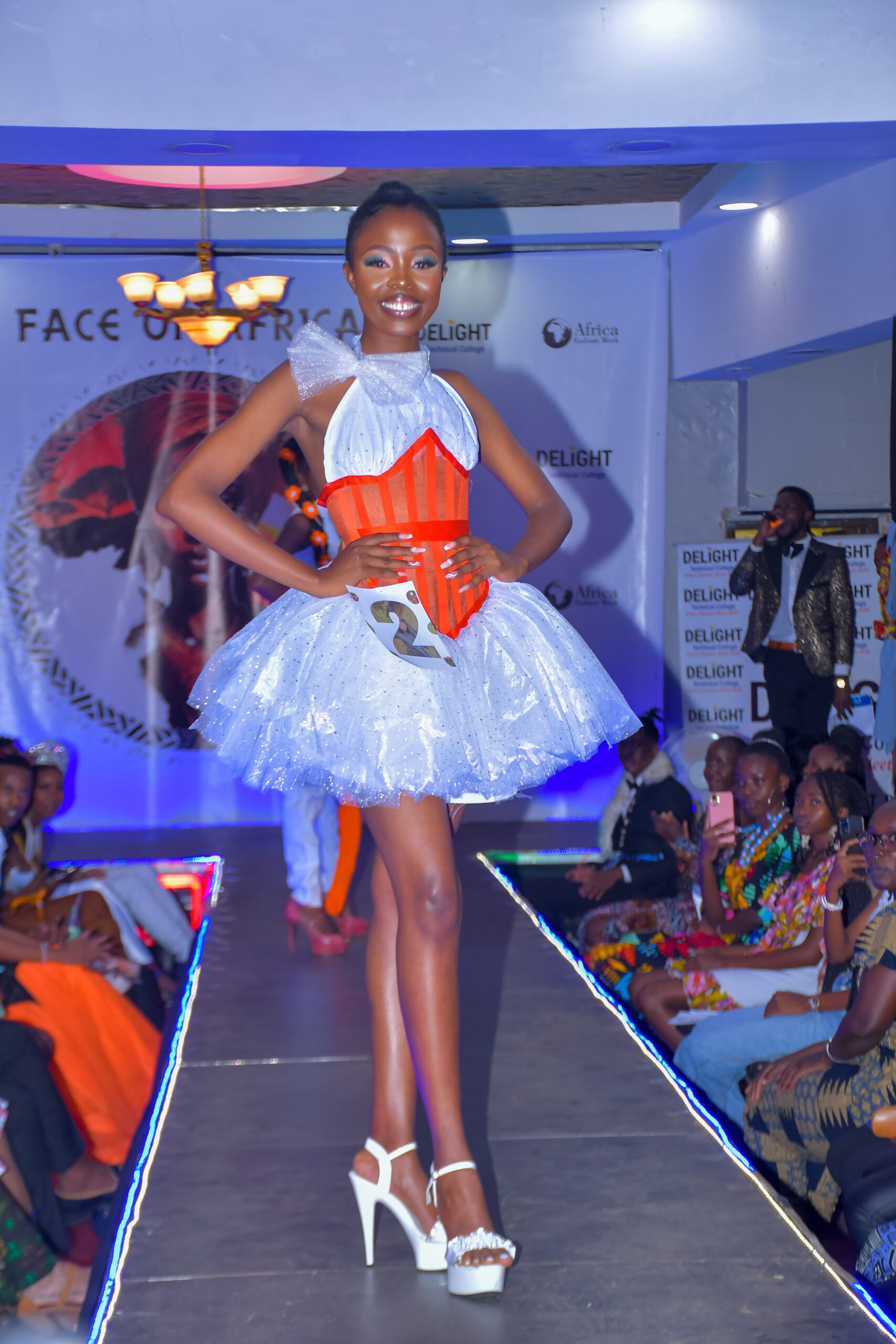
Delight Technical College Guide: How to Choose the Perfect Shoe for a Dress
It happens in dressing rooms, bedrooms, boutiques, and backstage areas all over the world.
The dress is perfect.
The fit is flawless.
The fabric moves beautifully.
And then — the shoes.
Suddenly, everything feels… off.
The color clashes.
The heel feels wrong.
The silhouette collapses.
In that moment, many people realize a truth that fashion professionals have always known:
A dress is never complete without the right shoe.
Shoes are not accessories. They are architectural supports for style. They influence posture, movement, proportion, confidence, and the entire message an outfit sends.
For designers, stylists, and fashion entrepreneurs, understanding how to choose the perfect shoe for a dress is not optional — it is a core skill. And like all true fashion skills, it is learned, practiced, and refined through education.
Why Shoes Matter More Than People Think
Shoes do three powerful things at once:
- They ground the outfit
- They shape the body’s posture
- They complete the visual story
A well-chosen shoe can elevate a simple dress into a statement. A poorly chosen one can undermine even the most beautifully constructed garment.
In professional fashion styling, shoes are considered part of the silhouette, not an afterthought.
This is why fashion students are trained to think holistically — garment, footwear, accessories, and context — especially at institutions like Delight School of Fashion & Design, where styling is treated as a discipline, not a guessing game.
Understanding the Dress First: The Foundation of Shoe Choice
Before choosing a shoe, a fashion professional always starts with the dress itself.
Key questions include:
- What is the silhouette?
- What is the length?
- What is the fabric?
- What is the occasion?
- What mood does the dress communicate?
Without understanding these elements, shoe selection becomes random.
- Dress Length and the Shoe Relationship
Mini Dresses
Mini dresses expose the legs, making shoes highly visible.
Best shoe options:
- Heels to elongate the legs
- Strappy sandals for elegance
- Ankle boots for edgy looks
Avoid overly bulky shoes that visually shorten the leg line.
Midi Dresses
Midi dresses are deceptively tricky — they cut the leg at mid-calf.
Best shoe options:
- Pointed-toe heels
- Strappy heels with a low vamp
- Slim ankle-strap shoes
The goal is to avoid interrupting the leg line.
Maxi Dresses
Maxi dresses skim the floor and shift focus to movement.
Best shoe options:
- Heeled sandals
- Wedges
- Platform heels
Comfort matters here, especially for long events.
- Silhouette: Matching Shape with Structure
Fitted Dresses
Body-hugging dresses demand shoes with elegance and refinement.
Best choices:
- Stilettos
- Pointed-toe pumps
- Sleek sandals
Chunky shoes compete with the dress instead of complementing it.
A-Line and Flared Dresses
These silhouettes are balanced and feminine.
Best choices:
- Block heels
- Classic pumps
- Ballet flats (for casual looks)
The shoe should support the softness of the dress.
Structured or Tailored Dresses
Think blazer dresses or sharp cuts.
Best choices:
- Clean-line heels
- Loafers or pointed flats
- Minimalist sandals
Structure calls for precision.
- Fabric Speaks — Shoes Should Listen
Every fabric has a personality.
Lightweight Fabrics (Chiffon, Silk, Satin)
These fabrics move and flow.
Best shoe choices:
- Delicate heels
- Thin straps
- Minimal detailing
Heavy shoes overpower delicate fabrics.
Heavy Fabrics (Velvet, Brocade, Denim)
These fabrics can hold visual weight.
Best shoe choices:
- Chunkier heels
- Platforms
- Boots
Balance is key.
- Color Theory: Harmony Over Matching
One of the biggest misconceptions is that shoes must match the dress exactly.
Professional stylists think in harmony, not duplication.
Neutral Shoes
Black, nude, beige, brown, metallics.
Neutral shoes:
- Extend outfit versatility
- Work across multiple dresses
- Are wardrobe staples
Statement Shoes
Bold colors, prints, textures.
Statement shoes:
- Add personality
- Work best with simple dresses
- Must be intentional
Understanding color relationships is a core styling skill taught in fashion training.
- The Occasion Determines Everything
Formal Events
Shoes should elevate, not distract.
Best choices:
- Classic heels
- Elegant sandals
- Polished finishes
Corporate and Professional Events
Shoes communicate authority.
Best choices:
- Closed-toe pumps
- Low block heels
- Polished flats
Casual Events
Comfort meets style.
Best choices:
- Flats
- Sneakers (styled intentionally)
- Low heels
Weddings
Context is crucial — guest, bride, or bridal party.
Best choices:
- Comfortable heels
- Wedges for outdoor weddings
- Elegant sandals
- Heel Height: Style Meets Reality
A shoe is only perfect if it can be worn confidently.
Heel height affects:
- Posture
- Movement
- Comfort
- Confidence
Professional stylists always consider the wearer, not just aesthetics.
Common heel types:
- Flats
- Kitten heels
- Block heels
- Stilettos
- Platforms
Fashion education emphasizes functional elegance — beauty that works.
- The Role of Body Proportion
Shoes affect how the body is perceived.
- Pointed toes elongate
- Thick straps shorten
- Nude tones lengthen legs
- Heavy shoes ground tall silhouettes
These optical principles are part of styling theory taught in professional fashion programs.
- Cultural and Social Context Matters
In Kenya, shoe choices are influenced by:
- Terrain
- Event location
- Cultural norms
- Religious expectations
A stiletto at a garden wedding may look beautiful — but sink into the ground.
Fashion professionals think beyond aesthetics into practicality.
- Common Shoe-and-Dress Mistakes
- Overmatching colors
- Ignoring event context
- Choosing trends over fit
- Wearing shoes that fight the silhouette
- Prioritizing appearance over comfort
Avoiding these mistakes is what separates amateurs from professionals.
The Business Side: Why Shoe Knowledge Matters for Fashion Careers
Understanding footwear pairing opens doors to:
- Styling services
- Fashion consultancy
- Personal shopping
- Bridal styling
- Wardrobe planning
Stylists and designers who understand shoes:
- Add value to clients
- Build trust
- Charge premium fees
This knowledge is part of a broader fashion education.
Delight School of Fashion & Design: Where Styling Becomes Skill
At Delight School of Fashion & Design, students are trained to see fashion as a complete system.
They learn:
- Garment construction
- Styling principles
- Color theory
- Event dressing
- Footwear coordination
- Client-focused fashion solutions
Students graduate knowing not just how to design a dress — but how to style it correctly from head to toe.
Why Education Changes Everything
Anyone can wear a dress.
Professionals know:
- Which shoe completes it
- Why it works
- When it fails
- How to fix it
This depth of understanding is what builds lasting fashion careers.
Conclusion: The Right Shoe Is the Final Word
A dress may tell the story — but the shoe delivers the ending.
Choosing the perfect shoe is not instinct. It is knowledge, experience, and intention.
If you want to work in fashion — as a designer, stylist, or entrepreneur — learning these principles is essential.
Learn Fashion From the Ground Up
If you are passionate about fashion and want to move beyond trial-and-error styling, Delight School of Fashion & Design offers the training you need.
Enroll today and learn how to design, style, and build fashion that works — from the dress to the shoe, and everything in between.
Fashion is detail.
Fashion is context.
Fashion is education.
And your journey starts here.