The Invisible Heartbeat of Tailoring: Choosing the Right Machines at Delight Technical College
The Invisible Heartbeat of Tailoring
Imagine a tailor’s workshop. The air hums with purpose. Patterns hang like blueprints of dreams. Fabric bolts lean like stories waiting to be told. But listen closely… there’s another sound underneath it all. A steady, rhythmic whirr — the sewing machine’s heartbeat.
Without that machine — or the right machines — the visions trapped in folds of cloth would stay forever unrealized. Delightful designs would remain on paper. Bold ideas would stay in imagination. Tailoring as an artform cannot thrive without the tools that bring it to life.
Choosing the right machines for tailoring isn’t just a technical decision — it’s a foundation of craft, a bridge between concept and reality. In this post, we’ll take you on a journey through that decision process: understanding why it matters, what to look for, how different machines serve different tailoring goals, and how Delight Technical College equips students not only to choose machines but to master them.
- Why Machines Matter More Than You Think
Beyond Hands: Tools That Amplify Skill
If tailoring were only hands and eyes, humans would never have gone beyond hand‑stitched garments. Machines brought speed, precision, consistency, and opportunity. They transformed tailoring from an occasional craft into an industry — allowing tailors to produce garments faster, make durable seams, handle heavy or multiple layers of fabric, and scale their work beyond single items.
Think about the difference between hand‑sewing a seam and running it through a lockstitch machine. The latter is not just faster — it produces uniform stitches, consistent tension, and durability that hand stitching can rarely match. That’s why machine choice isn’t a luxury — it’s strategic.
Machines as Tailoring Narrators
Each machine tells a story about what it was designed to accomplish:
- A basic lockstitch machine says, “I build the foundation of every garment.”
- An overlock (serger) whispers, “I clean and finish edges with professional finesse.”
- A buttonhole machine proclaims, “I add the details that define quality.”
When you choose the right machines, you give your craft a voice. When you choose the wrong ones, the voice becomes muddled. A garment might look complete — but it won’t feel professional.
This is why training isn’t just about sewing skills alone — it’s about understanding equipment that takes your creativity into the realm of excellence.
- The Tailoring Machines You’ll Meet (and Why They Matter)
Here’s a foundational rundown of the types of machines every tailor — student or professional — should know about:
- Domestic or Basic Sewing Machine — The Starter’s Partner
Most beginners start with a domestic sewing machine — the kind you might see in homes. These machines typically offer:
- Straight and zigzag stitches
- Buttonhole functions
- Adjustable stitch length and width
They’re ideal for learning foundational skills like stitching seams, hemming, and basic garment construction.
Domestic machines are great for hobbyists, small tailoring tasks, or beginners. But they have limits: they may struggle with thick fabrics (like denim or canvas), they may operate at slower speeds, and they generally lack features needed for commercial production.
- Industrial Sewing Machines — The Workhorses
For tailoring that’s faster, stronger, and continuous, industrial machines are indispensable.
These machines are built with:
- Heavy‑duty motors
- Robust metal frames
- High‑speed stitching
- Reliable performance for long hours
They include specialized types like:
- Single‑needle lockstitch machines
- Overlock/serger machines
- Coverstitch machines
- Buttonhole machines
- Bar‑tacking units
These are the machines that power tailoring shops, garment factories, and production houses. They handle tougher materials, more layers, and deliver superior stitch quality.
- Specialized Machines — The Detail Masters
Certain tasks require machines designed for specific roles, such as:
- Buttonhole and button‑sewing machines — for crisp, consistent buttonholes.
- Embroidery machines — for decorative and branded designs.
- Blind‑hem machines — for invisible hems on skirts and trousers.
Choosing these machines depends on the scope of your tailoring work. A machine that shines in embroidery might be unnecessary for someone making everyday garments — but indispensable for bridal or luxury tailoring.
III. How to Choose: Features that Matter Most
With so many machine types and models, how do you decide? Here’s a practical guide to the most important features and why they should matter to you.
- The First Question: What Will You Sew?
This is the starting point for choosing the right machine.
- If you intend to work mostly on light fabrics and basic garments, a reliable domestic or light‑industrial machine may suffice.
- If you plan to handle heavy fabrics, multiple layers, or continuous production, then a full industrial machine with a powerful motor and robust frame is essential.
Identifying your tailoring goals helps avoid buying a machine with features you won’t use — or missing features you’ll need.
- Stitch Options and Versatility
A good tailoring machine should support:
- Straight stitch (basic and essential)
- Zigzag stitch (for stretch and finishing)
- Buttonhole options
- Adjustable stitch length and width
For beginners, machines with 20–30 stitch options cover most needs. For advanced work, specialized stitches improve finishing and versatility.
- Motor Power and Speed
If you’ll sew thicker fabrics or multiple layers, motor power matters. Machines with higher wattage and better torque deliver:
- Consistent stitch quality
- Less strain on fabric and machine
- Better performance over long sessions
Industrial machines often outperform domestic ones in speed and endurance — a key factor in tailoring shops.
- Adjustable Presser Foot Pressure
Different fabrics behave differently under the needle. Being able to adjust presser foot pressure helps machines feed both delicate silk and thick denim smoothly, reducing skipped stitches and fabric drag.
- Bobbin System and Ease of Maintenance
A simple, user‑friendly bobbin system — such as a drop‑in bobbin — makes threading and maintenance easier, especially for beginners. Easy access to parts, clear tension adjustments, and accessible threading paths make daily use more efficient.
- Durability and Build Quality
A machine with a metal frame and quality construction lasts longer and performs better under continuous use. For tailoring schools and production workshops, durability isn’t a bonus — it’s a requirement.
- Speed Control and Ease of Use
Adjustable sewing speed allows beginners to work more slowly while learning and lets experienced tailors pick up the pace. Features like automatic needle threading and built‑in lighting improve comfort and reduce eye strain.
- Practical Buying Tips (and Common Mistakes to Avoid)
- Don’t Buy Based on Price Alone
A cheaper machine with poor stitch quality or weak motors often ends up costing more in frustration and repairs. Investing in reliable brands and robust machines pays off over time.
This is especially true when guiding students or preparing for professional tailoring — reliability matters.
- Think About Maintenance and Support
Sewing machines are mechanical devices. Even the best ones need tuning, servicing, and occasional repairs. Learn about warranty, service centers, and availability of spare parts before buying.
Delight Technical College emphasizes machine maintenance and mechanics training precisely because machines must stay in top shape to support real tailoring work.
- Match Machines to Your Skill Level
Beginners don’t need the most advanced machine on day one. A reliable basic or intermediate machine — one that supports essential stitches and easy operation — helps build confidence before upgrading to more complex models.
- How Delight Technical College Shapes Tailors and Technicians
Choosing the right machines is one thing — knowing how to use and maintain them is another. That’s where Delight Technical College shines.
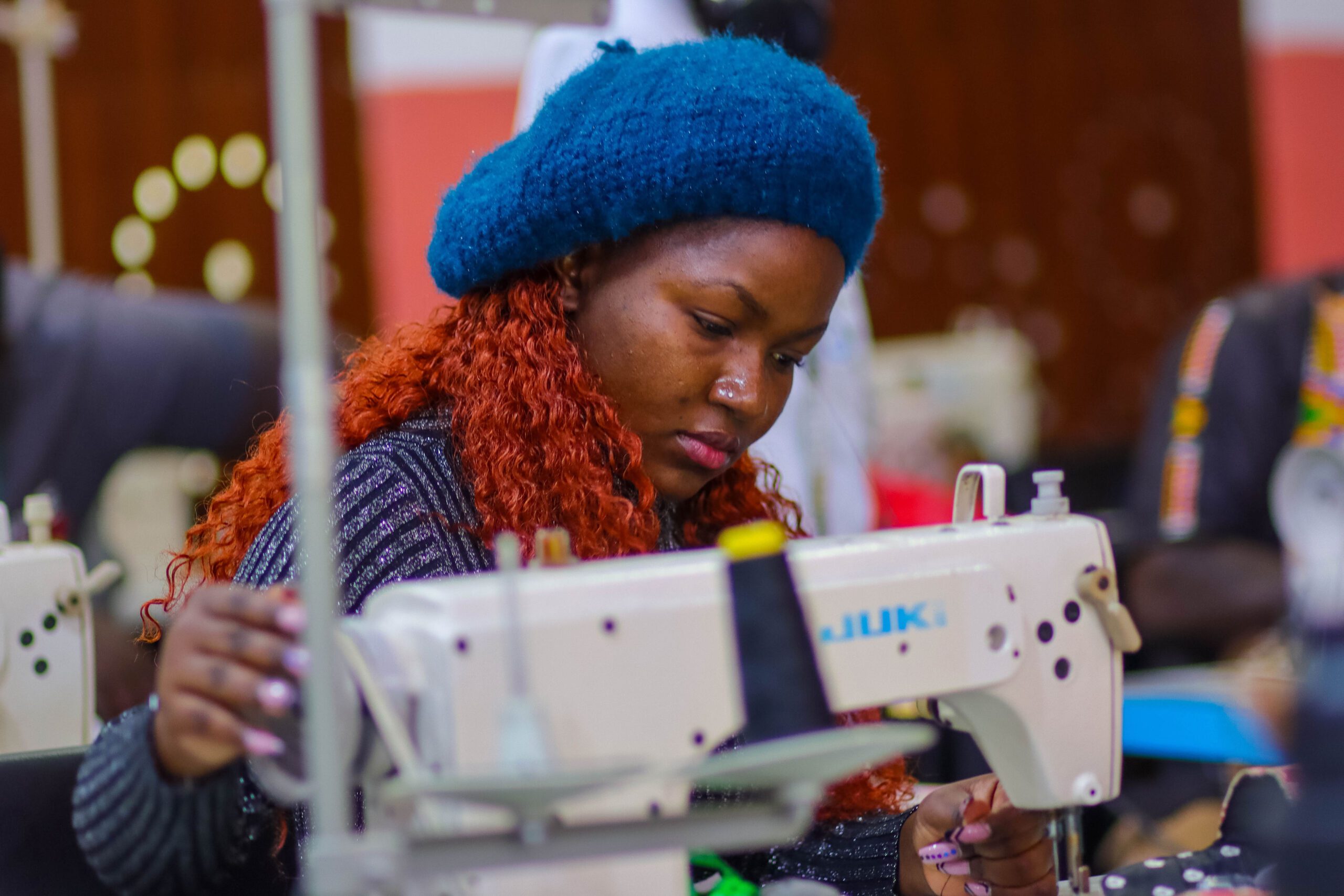
Based in Nairobi, this institution trains aspiring tailors and fashion designers with a hands‑on, practical curriculum that covers pattern drafting, garment construction, fitting, and machine operation — including electric, manual, and overlock machines for every learner.
- One Machine per Student — Practice Makes Mastery
Delight guarantees one machine per student, ensuring each learner gets enough time to train and experiment. Having direct access to equipment accelerates learning and builds confidence in handling machines of various types — from basic stitchers to overlocks.
- Practical Training and Real Machines
Classroom lessons are paired with actual machines. Students practice with tools that mimic professional tailoring environments, so they graduate ready to work in shops, start their own tailoring businesses, or serve as skilled operators.
- Developing Technicians Too
Delight also offers sewing machine mechanic courses — training students to install, maintain, and repair both domestic and industrial sewing machines. This knowledge empowers tailors to keep their tools in peak condition — a crucial skill that reduces downtime and supports long‑term success in tailoring and garment production.
- Focus on Professional Preparedness
Beyond machine operation, students receive entrepreneurial training, pattern drafting, textiles education, and design skills — preparing them not just to sew, but to build careers in fashion and tailoring.
- The Future Is in Your Hands (and Under Your Needle)
Choosing the right machines for tailoring isn’t just about features or specs. It’s about purpose. It’s about understanding what you want to create and which tools empower you to do it with confidence and precision.
Whether you’re a beginner experimenting with stitches, a student dreaming of opening a boutique, or an entrepreneur planning a tailoring workshop, this decision shapes your craft and your career.
And the best way to make that choice? Learn with experts, practice on real machines, and grow in an environment where your skills are nurtured and your potential is realized.
That’s the mission at Delight Technical College — a training ground where tomorrow’s tailors learn today’s tools, tomorrow’s designers experiment with every machine that matters, and tomorrow’s technicians keep the industry running.
Find the Machine That Will Shape Your Future
Whether you’re choosing your first machine or multiple machines for a professional setup, the right knowledge and guidance make all the difference.
Explore tailoring and sewing programs at Delight Technical College — where you’ll learn not just how to choose the right machine, but how to master it.
Enroll today, get hands‑on with real equipment, and let your future in fashion begin with the perfect stitch.