
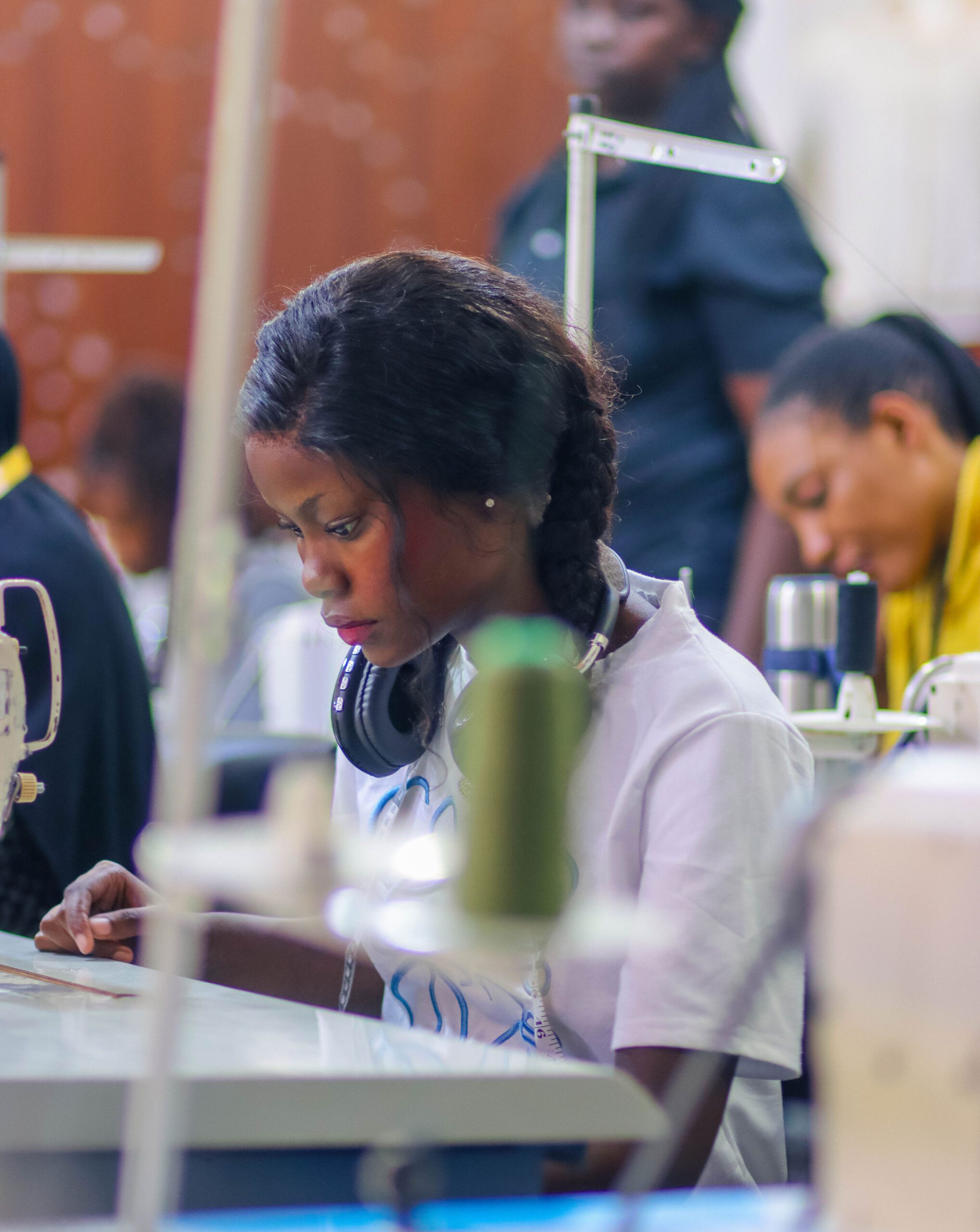
One Loop, Endless Possibilities: Master Knitting & Crocheting at Delight Technical College
One Loop, Endless Possibilities
Picture this: a single thread winding through fingers, looping over a hook or needle, slowly forming patterns that transform into something tangible — a sweater, a scarf, a piece of art. There’s a quiet magic in it, a rhythm that calms the mind while creating something beautiful. This is the world of knitting, a craft as old as communities themselves and as relevant today as ever.
But just as important is its close cousin, crocheting. Often confused with knitting, crocheting creates similar results but uses different techniques, tools, and approaches. Both are intricate crafts, yet each tells its own story.
In Africa, handcrafts like knitting and crocheting carry history, identity, and opportunity — both as cultural heritage and as modern creative enterprises. And this is where Delight Technical College comes in: teaching students not only the techniques but also the creative, technical, and entrepreneurial skills to thrive in fiber arts.
Let’s unravel the loops, explore the differences, and see how students can make these skills part of a career in fashion and design.
- Knitting: The Art of Loops
- What Knitting Is
Knitting is a method of creating fabric by interlocking loops of yarn using two or more needles. The yarn is drawn through previous loops to create a continuous textile. This simple principle gives rise to an incredible variety of textures, patterns, and garments.
Knitting can be:
- Hand knitting – done with traditional needles and yarn.
- Machine knitting – done with industrial or home knitting machines to produce garments faster.
The result is usually stretchy, flexible fabric, which is why knitting is perfect for sweaters, socks, hats, and scarves. (craftsy.com)
- History and Cultural Roots
Knitting dates back hundreds of years, with evidence of its existence in Egypt in the 11th century. In Africa, knitting was introduced through trade and colonial influence, but local artisans transformed it using vivid yarns, traditional motifs, and patterns inspired by indigenous textiles. Today, knitted items in Africa blend tradition with global trends, offering both utility and artistry.
Knitting has also historically served as:
- Practical clothing creation for warmth.
- Creative expression, where patterns and textures reflect cultural identity.
- Community and learning, often passed down from generation to generation. (africanfashiontour.com)
- Knitting Techniques
The most common knitting techniques include:
- Garter Stitch – simple, ridged pattern.
- Stockinette Stitch – smooth, stretchy, classic fabric.
- Ribbing – alternating knit and purl stitches for stretch and texture.
- Cable Knitting – creating twisting patterns for decorative effects. (craftsy.com)
Knitting allows for complex shaping, such as increasing or decreasing stitches to create fitted garments. Its fabric flexibility makes it ideal for wearables that need to stretch and move with the body.
- Crocheting: A Close Cousin
- What Crocheting Is
Crocheting uses a single hook to loop yarn into interlocking stitches, creating fabric one stitch at a time. Unlike knitting, which relies on multiple active stitches on needles, crochet maintains only one live loop at a time. This fundamental difference affects texture, thickness, and elasticity.
Crocheted fabric tends to be thicker and less stretchy than knitted fabric, making it ideal for items like blankets, lacework, hats, and decorative garments. (craftsy.com)
- History and Cultural Roots
Crocheting is believed to have developed in 19th century Europe, though some traditions predate this. In Africa, crocheting arrived alongside other fiber arts, blending with local artistry to produce vibrant, patterned textiles. Communities used crochet for practical purposes — hats, mittens, mats — and for ceremonial or decorative items.
Crochet often emphasizes motifs and patterns, creating delicate designs that contrast with knitting’s smoother textures. (africanfashiontour.com)
- Crocheting Techniques
Common crochet stitches include:
- Chain stitch – foundation row.
- Single crochet – tight, dense fabric.
- Double crochet – taller stitch, airy fabric.
- Granny squares and motifs – used for patchwork projects.
Crochet excels in creating three-dimensional shapes, textures, and decorative patterns, which are harder to achieve with knitting.
III. Knitting vs Crocheting: Key Differences
While both crafts involve yarn and loops, they differ in significant ways:
| Feature | Knitting | Crocheting |
| Tools | Two or more needles | Single hook |
| Fabric | Flexible, stretchy, lighter | Thicker, less stretchy, more textured |
| Technique | Multiple active stitches at a time | One active stitch at a time |
| Speed | Can be faster for large projects | Often slower but better for motifs |
| Best For | Garments that stretch (sweaters, socks) | Decorative items, blankets, lacework |
| Ease of Learning | Moderate | Slightly easier for beginners |
This distinction allows artisans to choose the right method based on fabric needs, garment function, and design goals.
- Why Learning Both Matters
In contemporary African fashion and global fiber arts:
- Knitting provides flexibility, wearable garments, and modern design possibilities.
- Crocheting allows creative expression, decorative artistry, and niche markets.
Learning both equips students to blend techniques, create hybrid designs, and innovate in fashion and crafts. For example:
- A knitted sweater with crocheted lace edges.
- Crocheted hats with knitted trims.
- Mixed media accessories that appeal to modern consumers.
These skills are increasingly valued in boutiques, e-commerce, exhibitions, and local markets.
- Delight Technical College: Mastering the Loops
This is where Delight Technical College in Nairobi steps in as a hub for creativity and skill. At Delight, students can:
- Learn fundamentals of knitting and crocheting, including patterns, tension, and materials. (delight.ac.ke)
- Gain practical experience with diverse yarns, needles, and hooks.
- Blend skills with fashion design, tailoring, and garment construction, preparing for professional opportunities.
- Explore entrepreneurship by creating marketable hand-made products, from scarves to home décor.
Delight ensures learners not only practice the craft but understand its history, cultural significance, and commercial potential, making students ready for both traditional and modern textile markets.
- Hands-On Learning
Students at Delight receive personalized guidance, one-on-one practice, and access to state-of-the-art materials. This ensures mastery of techniques and the confidence to create quality, professional pieces.
- Bridging Tradition and Innovation
Delight encourages students to integrate African heritage into modern design. For example:
- Knitting African-inspired patterns
- Crocheting motifs inspired by indigenous textiles
- Using sustainable yarns for ethical fashion
This approach connects the past, present, and future of African craft.
- Opportunities Beyond Learning
Graduates from Delight can:
- Launch their own knitting and crochet businesses
- Work in fashion houses or artisan cooperatives
- Create custom orders for clients locally and internationally
This makes knitting and crocheting not just a hobby but a viable career path. (delight.ac.ke)
- The Craft, the Community, the Career
Knitting and crocheting are more than techniques — they are communities of learners, creators, and innovators. They teach:
- Patience and precision
- Creativity and problem-solving
- Business and marketing skills
At Delight Technical College, students join a community of makers, connecting with peers, mentors, and industry professionals who share a passion for fiber arts.
VII. Conclusion: Choose Your Loops, Shape Your Future
Whether you are drawn to the stretchy elegance of knitting or the decorative versatility of crocheting, these crafts offer endless opportunities for personal expression, cultural storytelling, and career growth.
Delight Technical College empowers learners to:
- Master both knitting and crocheting
- Connect these skills with fashion and design
- Build marketable products or launch businesses
- Innovate while preserving African craft traditions
Crafting Your Future Today
Do you want to turn yarn into wearable art?
Do you want to create products that tell stories, celebrate culture, and inspire the world?
Enroll at Delight Technical College and learn knitting, crocheting, and textiles from expert instructors.
Master the loops, craft your designs, and stitch your story into the legacy of African fashion and crafts.