
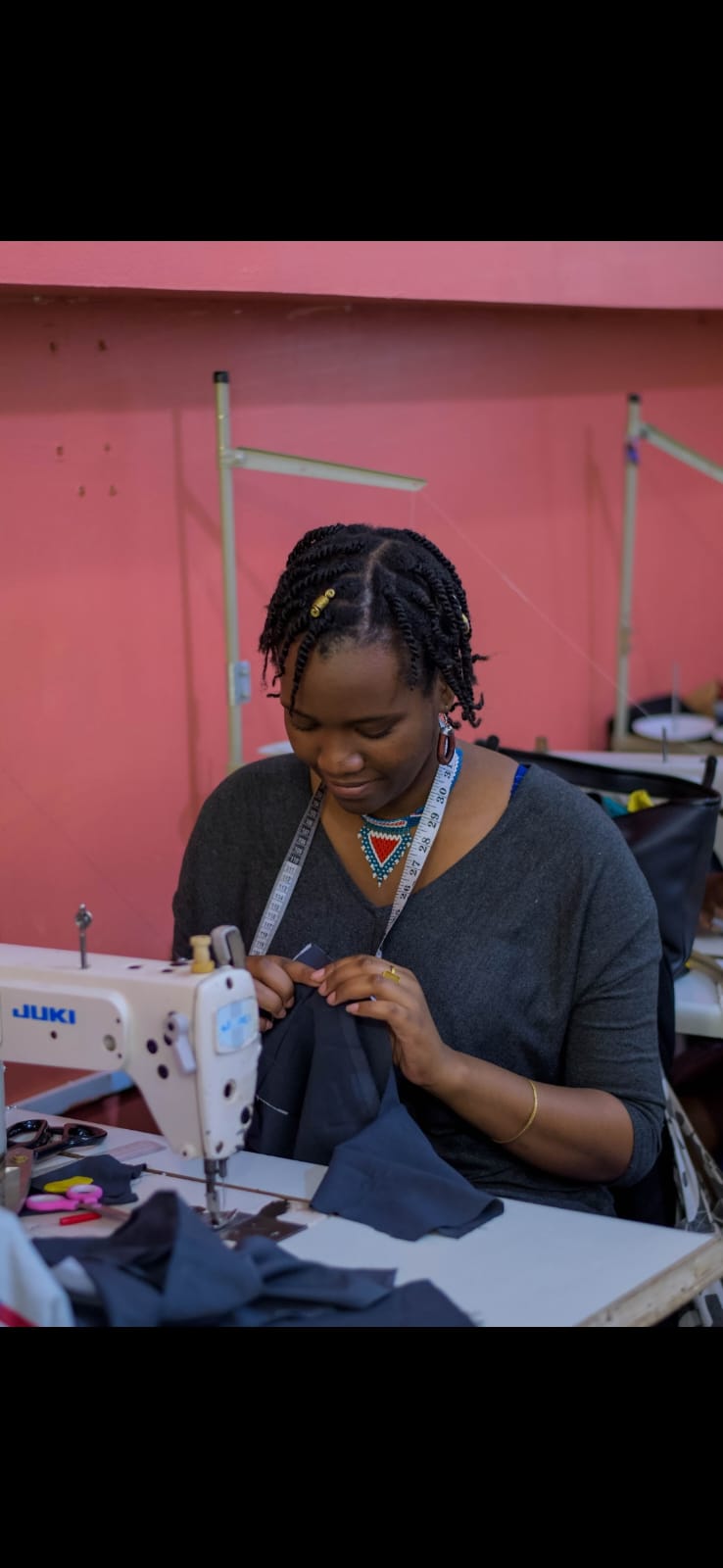
How to Start a Fashion House in Kenya: A Complete Guide to Building a Sustainable Brand
Introduction: Every Fashion House Starts With a Quiet Moment
Most fashion houses don’t begin on runways or billboards. They begin in silence.
A designer sits in a small room in Nairobi, sketchbook open, fabric draped over a chair. There’s no applause. No investors yet. Just a vision — and a question that keeps returning: What if this could become something bigger?
Kenya’s fashion industry is full of such moments. Behind every successful label is a story of courage, trial, learning, and persistence. Starting a fashion house in Kenya is not just about loving clothes. It is about understanding craft, business, culture, and strategy — and knowing how to grow from a single design into a recognizable brand.
This article is a comprehensive guide to how to start a fashion house in Kenya — the steps, the risks, the rewards, the technology involved, and the mindset required to scale. Most importantly, it shows how professional training at Delight School of Fashion and Design can turn raw talent into a sustainable fashion business.
Understanding What a Fashion House Really Is
Before sewing the first garment, it’s important to understand what a fashion house truly represents.
A fashion house is not just:
- A tailoring shop
- A clothing brand
- A designer with Instagram followers
A fashion house is a creative and business institution. It combines:
- Design identity
- Production systems
- Brand storytelling
- Customer experience
- Long-term vision
Whether small or large, a fashion house is built to last, not just to sell.
The Kenyan Fashion Landscape: Why Now Is the Right Time
Kenya’s fashion industry is growing rapidly.
Why Kenya Is Ideal for Starting a Fashion House
- A young, fashion-conscious population
- Growing middle class
- Strong demand for custom and ready-to-wear clothing
- Rise of African fashion globally
- Access to local and regional markets
- Digital platforms lowering entry barriers
From weddings and corporate wear to streetwear and couture, Kenyans value style with meaning. This creates space for designers who understand both culture and quality.
Step One: Define Your Fashion House Identity
Every successful fashion house starts with clarity.
Ask Yourself:
- Who am I designing for?
- What problem am I solving?
- What makes my designs different?
- What emotions should my brand evoke?
Your identity may be rooted in:
- African heritage
- Sustainability
- Luxury tailoring
- Womenswear, menswear, or both
- Ready-to-wear or couture
Without a clear identity, your fashion house will struggle to stand out.
Step Two: Learn the Craft — Properly
Talent is powerful. Skill is essential.
Many fashion businesses in Kenya fail not because of lack of creativity, but because of poor construction, finishing, and fit.
Core Skills Every Fashion House Founder Must Master:
- Pattern drafting
- Garment construction
- Fabric knowledge
- Fit and sizing
- Finishing techniques
This is where structured education becomes critical.
Why Training Matters
Fashion is both art and engineering. Without technical foundations, scaling becomes impossible.
At Delight School of Fashion and Design, students are trained to:
- Construct garments professionally
- Understand African and global textiles
- Translate sketches into wearable designs
- Meet industry standards
This foundation separates hobbyists from professionals
Step Three: Choose Your Business Model
A fashion house can operate in several ways.
Common Fashion House Models in Kenya:
- Bespoke and Custom Design
- High margins
- Limited scale
- Relationship-based
- Ready-to-Wear (RTW)
- Scalable
- Requires consistency
- Strong branding needed
- Bridal and Occasion Wear
- Seasonal but profitable
- High skill requirement
- Streetwear and Casual Brands
- Youth-driven
- Heavy digital marketing
Your choice affects pricing, production, staffing, and growth strategy.
Step Four: Register and Legalize Your Fashion House
Professionalism begins with legality.
Key Legal Steps in Kenya:
- Business name registration
- KRA PIN
- Business permits
- Trademark registration (recommended)
Registering your fashion house:
- Builds trust
- Protects your brand
- Enables partnerships
- Allows business growth
Step Five: Build a Production System
A fashion house is only as strong as its production.
Production Options:
- In-house atelier
- Outsourced tailoring
- Hybrid model
You’ll need:
- Sewing machines (industrial and domestic)
- Cutting tables
- Pressing equipment
- Storage systems
Training at institutions like Delight ensures designers understand production efficiency, not just creativity.
Step Six: Understand the Technology Behind Modern Fashion Houses
Technology is no longer optional.
Design Technology:
- Digital pattern drafting
- 3D garment visualization
- Fashion illustration software
Business & Marketing Technology:
- Social media branding
- E-commerce platforms
- Digital lookbooks
- Online client consultations
Production Technology:
- Industrial machinery
- Fabric testing tools
- Sustainable production methods
Modern fashion houses blend handcrafted skill with digital innovation.
Step Seven: Pricing, Costs, and Profitability
One of the biggest challenges for Kenyan designers is pricing.
Costs to Consider:
- Fabric
- Labor
- Rent
- Marketing
- Packaging
- Utilities
Pricing must reflect:
- Skill level
- Brand positioning
- Target market
Without business knowledge, designers underprice themselves — and burn out.
This is why fashion education must include entrepreneurship, something emphasized at Delight School of Fashion and Design.
Step Eight: Branding and Storytelling
People don’t just buy clothes — they buy stories.
Your fashion house needs:
- A compelling brand story
- Consistent visual identity
- Clear messaging
Kenyan consumers connect deeply with:
- Cultural narratives
- Authenticity
- Purpose-driven brands
A strong brand allows your fashion house to command value beyond the garment.
Step Nine: Marketing Your Fashion House in Kenya
Marketing is where many fashion houses rise or fall.
Effective Marketing Channels:
- Instagram and TikTok
- Fashion shows and pop-ups
- Collaborations with creatives
- Word-of-mouth referrals
- Editorial features
Consistency and quality matter more than viral moments.
Step Ten: Scaling Your Fashion House
Scaling is intentional growth.
Ways to Scale:
- Move from custom to ready-to-wear
- Expand into regional markets
- Build a production team
- Develop signature collections
- Partner with retailers
Scaling requires systems — not just talent.
Risks of Starting a Fashion House in Kenya
Every business has risks.
Common Risks:
- Limited startup capital
- Fabric supply challenges
- Design imitation
- Slow client payments
- Market competition
The solution is knowledge, planning, and mentorship.
Rewards of Building a Fashion House
Despite the challenges, the rewards are significant.
Rewards Include:
- Creative fulfillment
- Financial independence
- Cultural impact
- Global recognition
- Job creation
Fashion houses shape culture. They tell stories that last beyond trends.
Why Delight School of Fashion and Design Is the Smart Starting Point
A fashion house is built on foundations — and foundations come from education.
Delight Offers:
- Practical, hands-on training
- African and global fashion perspectives
- Business and entrepreneurship skills
- Exposure to industry standards
- Mentorship and guidance
Graduates don’t just design — they build brands.
The Future of Fashion Houses in Kenya
Kenya’s fashion future is:
- African-centered
- Digitally driven
- Sustainable
- Globally competitive
The next major African fashion house could start in a classroom today.
Start Where Great Designers Start
If you’ve ever imagined seeing your label on garments worn with pride…
If you dream of building something that outlives trends…
If you want to turn creativity into a career…
Then don’t start alone.
Enroll at Delight School of Fashion and Design and gain the skills, confidence, and industry knowledge needed to build a successful fashion house in Kenya.
Every great fashion house starts with education.
Your story can start today.