
How to Make Runway Fashion & Build a Career | Delight Technical College
Where Fabric Meets Fate
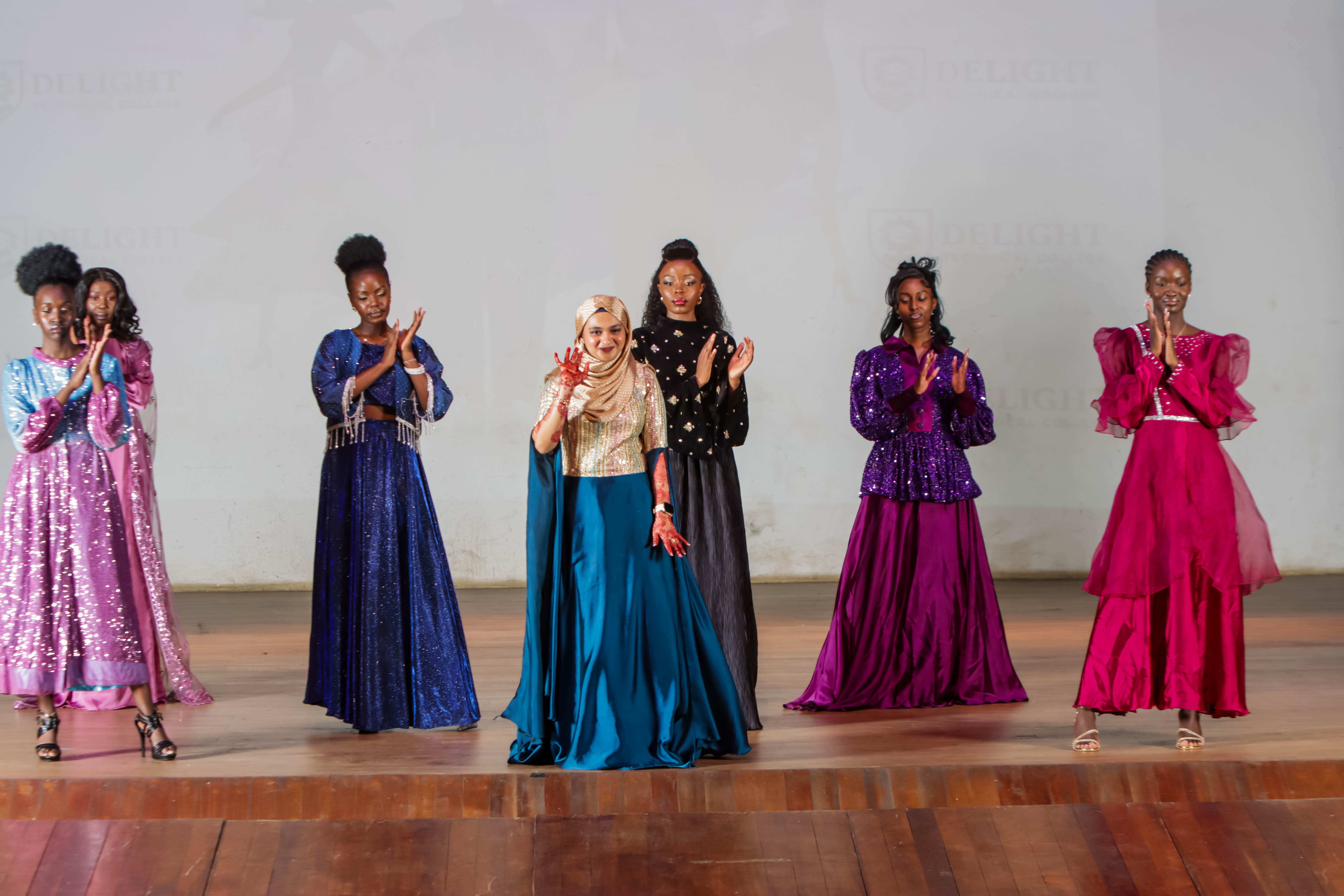
The lights dim. Music swells through the venue. Cameras rise. A model steps onto the runway wearing a garment that did not exist a few months ago — an idea that once lived only in a sketchbook, now commanding attention from buyers, stylists, photographers, and fashion editors.
In that moment, the designer’s name may not be announced out loud, but their work speaks clearly.
This is the power of runway fashion.
Runway clothing is not just about beauty or drama. It is about vision, storytelling, craftsmanship, and career transformation. For many of the world’s most successful designers — from Paris to Lagos, Milan to Nairobi — the runway was not just a stage. It was a launchpad.
In Kenya today, as the fashion industry grows locally and connects more deeply with global markets, runway-ready design has become one of the most important skills an aspiring fashion professional can master.
This article explores how to make clothes for the runway, why runway fashion matters, and how it can elevate a fashion career in Kenya and beyond. Most importantly, it shows how Delight Technical College, through its School of Fashion and Design and its industry-centered fashion events, provides the training, exposure, and real-world experience needed to turn creative talent into a thriving fashion career.
Understanding Runway Fashion: More Than Just Clothes
What Is Runway Fashion?
Runway fashion refers to garments specifically designed to be presented during fashion shows. These clothes are not created primarily for everyday wear. Instead, they are designed to:
- Communicate a creative concept
- Represent a designer’s identity and aesthetic
- Showcase technical skill and innovation
- Capture attention from media, buyers, and fashion institutions
Unlike commercial clothing, runway pieces are allowed — even expected — to be bold, dramatic, experimental, and expressive.
Why the Runway Matters in Fashion
The runway is where designers:
- Introduce new collections
- Build brand identity
- Attract industry recognition
- Gain credibility and visibility
- Access local and international markets
In Kenya, runway platforms have become critical spaces where emerging designers are discovered, collaborations are formed, and careers take shape.
For students and young designers, understanding how to design for the runway is no longer optional — it is essential.
The Foundation: How Runway Clothes Are Conceptualized
- Inspiration and Storytelling
Every runway collection begins with a story.
This story may be inspired by:
- African heritage and culture
- Social issues
- Nature and environment
- Spirituality and identity
- Architecture, music, or art
- Personal experiences
Runway fashion is visual storytelling. Each garment is a chapter. The entire collection is a narrative.
At Delight Technical College, students in the School of Fashion and Design are trained to think conceptually. They are encouraged to research, reflect, and develop collections that communicate meaning — not just aesthetics.
This ability to turn ideas into visual narratives is what separates hobbyists from professional designers.
- Research and Trend Analysis
Before fabric is cut or patterns are drafted, runway designers study:
- Global fashion trends
- Fabric innovations
- Color forecasting
- Silhouette evolution
- Cultural movements
- Consumer behavior
For Kenyan designers aiming at both local and international markets, understanding global trends while maintaining cultural authenticity is crucial.
Delight Technical College equips students with industry-relevant research skills, helping them stay current while developing a distinctive African design voice.
Design Development: Turning Vision into Wearable Art
- Sketching and Technical Drawings
Runway garments begin on paper.
Designers create:
- Fashion illustrations
- Technical drawings
- Fabric swatches and mood boards
These sketches guide the entire production process.
Students at Delight’s School of Fashion and Design are trained in:
- Fashion illustration
- Garment construction planning
- Pattern interpretation
- Visual presentation for professional portfolios
This structured approach ensures that creativity is supported by technical accuracy — a requirement for runway success.
- Fabric Selection: Choosing the Right Materials
Fabric choice defines how a runway garment moves, feels, and photographs.
Runway designers consider:
- Texture and drape
- Weight and structure
- Sustainability
- Cultural relevance
- Durability under lights and movement
In Kenya, designers have access to rich textile traditions as well as modern imported fabrics. Knowing how to combine these responsibly and creatively is a competitive advantage.
Delight Technical College exposes students to a wide range of fabrics and teaches them how to select materials that align with both design vision and production reality.
Construction: Where Skill Meets Precision
- Pattern Making and Garment Construction
Runway garments demand precision.
Designers must master:
- Pattern drafting
- Draping techniques
- Tailoring
- Fitting and alterations
- Finishing details
Poor construction can ruin even the most beautiful design.
At Delight, practical training is central. Students spend significant time in workshops, learning how to:
- Construct complex garments
- Work with different silhouettes
- Handle couture-level detailing
- Prepare garments for live presentation
This hands-on approach ensures graduates are industry-ready, not just conceptually skilled.
- Fittings and Refinement
Runway garments are refined through multiple fittings.
Designers adjust:
- Fit and proportions
- Movement and comfort
- Visual impact under lighting
- Cohesion within the collection
This process teaches patience, attention to detail, and problem-solving — all essential skills for professional designers.
Delight’s fashion programs emphasize iterative learning, helping students understand that excellence is built through revision and refinement.
Presentation: Preparing Clothes for the Runway
- Styling and Coordination
A runway garment does not stand alone.
Designers must consider:
- Accessories
- Footwear
- Hair and makeup
- Model selection
- Music and choreography
Runway success is collaborative.
Through fashion showcases and institutional events, Delight Technical College exposes students to real runway environments, where they learn how styling and coordination elevate design impact.
- Showcasing Through Fashion Events
Fashion events are where runway designs meet the world.
Delight Technical College actively integrates fashion showcases into its academic structure. These events:
- Simulate real industry fashion shows
- Allow students to present collections publicly
- Connect learners with photographers, stylists, and audiences
- Build confidence and professional presence
Such exposure is invaluable. Many designers struggle to access runway platforms after graduation. Delight ensures students experience this before they enter the industry, giving them a head start.
Why Runway Design Is Important for Fashion Careers
- Visibility and Recognition
Runway shows attract:
- Media attention
- Buyers
- Fashion institutions
- Industry professionals
A single successful runway presentation can:
- Launch a brand
- Secure collaborations
- Open international opportunities
For Kenyan designers, runway exposure is a powerful tool for entering both local and global fashion conversations.
- Portfolio Development
Runway collections strengthen portfolios.
They demonstrate:
- Creative depth
- Technical ability
- Conceptual thinking
- Professional execution
Graduates from Delight Technical College leave with documented runway experience, making their portfolios more competitive in the job market.
- Global Market Access
The global fashion industry increasingly values:
- Authentic cultural narratives
- Sustainable practices
- Emerging markets
- Diverse voices
Kenyan designers who understand runway presentation can position themselves internationally — through fashion weeks, digital showcases, and global collaborations.
Delight’s training prepares students to think beyond borders while remaining grounded in African identity.
The Kenyan Fashion Industry: Opportunity and Growth
Kenya’s fashion industry is evolving rapidly.
Key developments include:
- Increased fashion events and showcases
- Growing appreciation for local designers
- Expansion of fashion education
- Digital platforms enabling global reach
Runway-ready designers are at the center of this growth.
Institutions like Delight Technical College play a critical role in shaping the next generation of fashion professionals who are technically skilled, creatively confident, and globally aware.
How Delight Technical College Makes the Difference
The School of Fashion and Design
Delight’s School of Fashion and Design offers:
- Structured fashion programs
- Industry-aligned curriculum
- Practical garment construction training
- Fashion illustration and design development
- Exposure to real-world fashion events
The school does not just teach students how to make clothes — it teaches them how to build fashion careers.
Fashion Events as Learning Platforms
Delight integrates fashion events into its training approach, allowing students to:
- Present runway collections
- Experience production timelines
- Work under pressure
- Collaborate across disciplines
- Receive public and professional feedback
These experiences mirror the realities of the fashion industry, ensuring graduates are prepared for professional challenges.
Mentorship and Career Pathways
Through structured learning and exposure, Delight helps students:
- Identify their design niche
- Build confidence and discipline
- Develop entrepreneurial thinking
- Transition smoothly into the industry
This holistic approach makes the institution a strong foundation for long-term success.
Runway Fashion as a Career Catalyst
For aspiring designers, runway fashion is not just an academic exercise.
It is:
- A statement of identity
- A test of skill
- A bridge between education and industry
- A doorway to global opportunity
In Kenya, where creativity, culture, and innovation intersect, runway design is one of the most powerful ways to stand out.
Step Into the Spotlight
Every great fashion career begins with a decision — the decision to learn, to practice, and to step into spaces that challenge and elevate talent.
If you dream of:
- Designing for the runway
- Showcasing collections with confidence
- Building a fashion career in Kenya and beyond
- Learning in an environment that values creativity, discipline, and exposure
Then Delight Technical College’s School of Fashion and Design offers the foundation you need.
Through hands-on training, real fashion events, and industry-focused education, Delight transforms raw talent into runway-ready professionals.
The runway is waiting.
The spotlight is real.
Your journey can begin at Delight.