
How to Make Haute Couture Clothes & Build Global Fashion Careers
How to Make Clothes for Haute Couture and Build a Global Fashion Career
When Dreams Become Handcrafted Reality
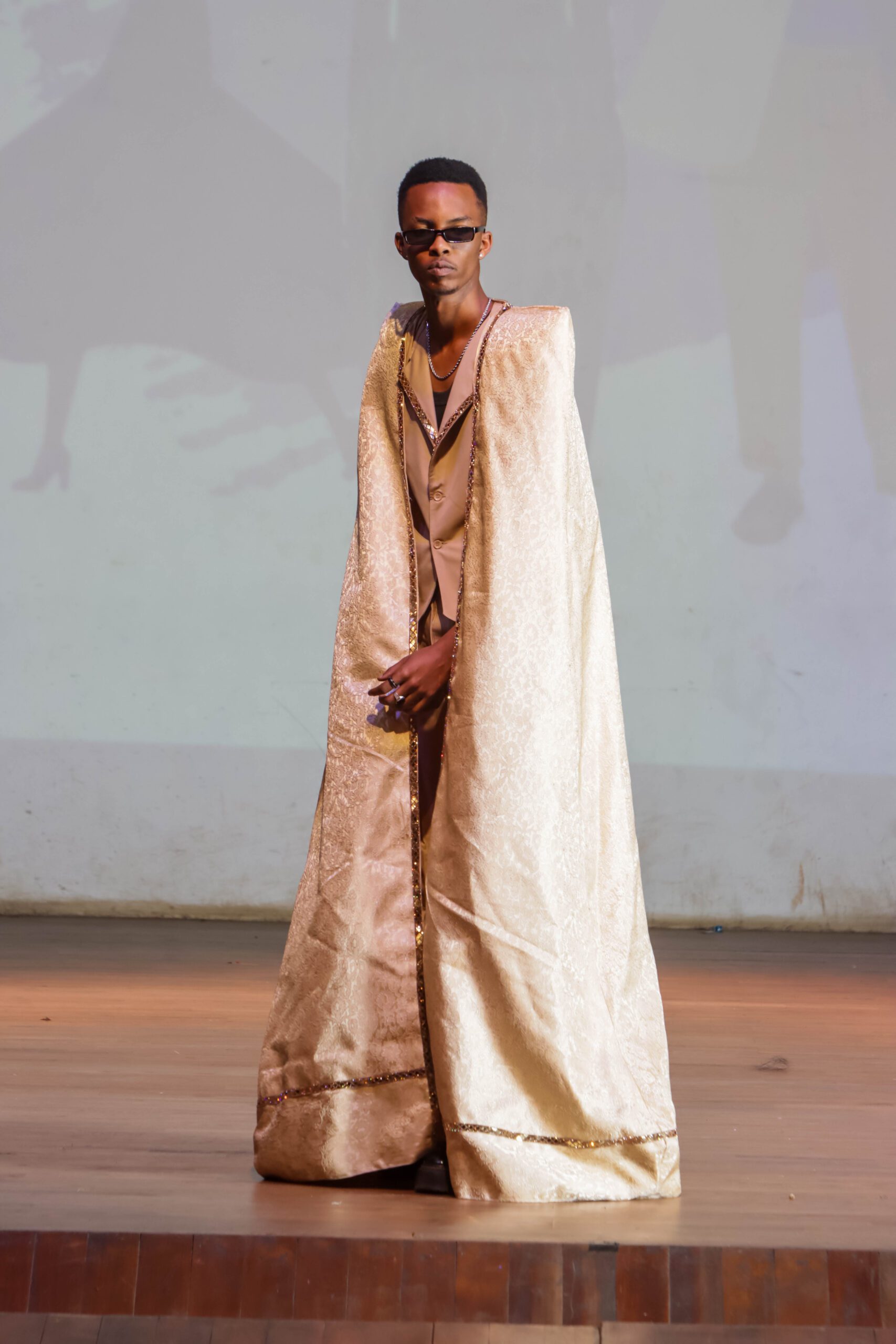
The lights are low. The audience waits in anticipation. Each footstep on the runway is calculated, deliberate. And there it is — a garment so exquisite, so meticulously crafted, that it commands attention before the model even completes a single step. Every stitch tells a story. Every fold and embellishment showcases hours of craftsmanship, technical skill, and creativity.
This is haute couture. And making haute couture garments is not just about creating beautiful clothes — it is about creating wearable art that can define careers, launch brands, and connect designers to global markets.
For aspiring designers in Kenya, understanding how to make clothes for haute couture opens doors to opportunities previously thought only accessible in Paris, Milan, or New York. And with institutions like Delight Technical College, students can gain the technical skills, practical experience, and industry exposure needed to create garments that shine on both local and international runways.
This article will explore how to make clothes for haute couture, why these skills are crucial for a fashion career, and how Delight Technical College’s School of Fashion & Design prepares students for success in the local and global fashion industry.
Understanding Haute Couture: The Foundation of Luxury Fashion
- What Makes a Garment Haute Couture?
Haute couture is defined by exclusivity, craftsmanship, and customization:
- Custom-Fitted: Every garment is tailored for a specific client’s measurements.
- Handcrafted Excellence: From stitching to embroidery, almost every element is done by hand.
- Luxury Materials: Silks, velvets, tulle, lace, and other premium fabrics.
- Artistic Expression: Haute couture garments are as much about design storytelling as they are about wearability.
Unlike ready-to-wear clothing, haute couture is not mass-produced. Each garment is a unique statement of skill, creativity, and luxury.
- Why Haute Couture Matters in Fashion Careers
Creating haute couture garments is more than an exercise in luxury; it is a career-defining skill:
- Technical Mastery: Sewing, pattern-making, draping, and embroidery at the highest level.
- Professional Credibility: Employers and clients recognize designers who can execute couture-level work.
- Global Opportunities: Haute couture skills allow designers to work internationally or collaborate with elite fashion houses.
- Entrepreneurial Advantage: Designers can offer bespoke garments or establish luxury fashion brands in Kenya or abroad.
For Kenyan students, mastering haute couture connects local creativity with global fashion markets, and institutions like Delight Technical College are critical in facilitating this pathway.
The Haute Couture Creation Process: Step by Step
Creating haute couture garments requires discipline, technical skill, and artistry. Below is a breakdown of the process.
Step 1: Conceptualization and Inspiration
Every haute couture collection starts with a story or inspiration. Designers explore:
- Art, architecture, and music
- Cultural heritage and traditions
- Nature and environment
- Personal experiences and social commentary
Mood boards, sketches, and concept illustrations help visualize ideas. At Delight Technical College, students learn how to develop cohesive design concepts, blending creativity with cultural relevance. This conceptual phase ensures garments have narrative depth, a hallmark of haute couture.
Step 2: Fabric and Material Selection
Luxury fabrics define haute couture. Designers must consider:
- Texture, drape, and weight: Each fabric behaves differently and affects movement on the runway.
- Sustainability: Ethical sourcing is increasingly important in global fashion.
- Compatibility with techniques: Some fabrics are better suited for hand embroidery, pleating, or draping.
Delight Technical College provides students with exposure to high-quality fabrics, teaching them how to match materials to design vision and technical feasibility.
Step 3: Pattern Making and Draping
Precision is critical:
- Pattern Making: Designers draft patterns that match the client’s body measurements.
- Draping: Fabrics are arranged on mannequins to perfect silhouette, flow, and structure.
- Iterative Refinement: Multiple fittings ensure the garment fits perfectly while remaining comfortable and visually stunning.
Students at Delight learn both traditional and advanced pattern-making techniques, ensuring they can produce couture-level garments with precision.
Step 4: Garment Construction
Haute couture requires meticulous craftsmanship:
- Hand-sewing seams and finishes
- Creating structured or layered silhouettes
- Integrating supportive understructures, like boning or corsetry
- Attaching linings, fastenings, and finishes with perfection
At Delight, students receive hands-on construction training, simulating professional atelier conditions where attention to detail is non-negotiable.
Step 5: Embellishment and Decoration
What sets haute couture apart is the level of decoration and artistry:
- Hand embroidery, beading, and sequins
- Appliqué, lacework, and fabric manipulation
- 3D floral designs, pleats, ruffles, and draping details
Students at Delight are taught to integrate embellishments thoughtfully, balancing aesthetic impact with garment structure.
Step 6: Fittings and Final Adjustments
Haute couture garments require precision fit:
- Multiple fittings refine proportion, comfort, and silhouette
- Adjustments ensure garments move naturally and look flawless on the runway
- This iterative process develops critical problem-solving skills
Delight emphasizes iterative learning, teaching students that excellence comes from refinement, patience, and practice.
Step 7: Runway Preparation and Presentation
The final step is showcasing the garment:
- Styling: Coordinating accessories, footwear, and hair/makeup
- Choreography: Ensuring models move gracefully to highlight garment features
- Lighting and Photography: Enhancing textures, colors, and embellishments
Through institutional fashion shows, Delight students gain hands-on runway experience, preparing them for real industry environments and global opportunities.
The Importance of Haute Couture Skills for Kenyan Designers
- Visibility and Recognition
Runway-ready couture garments capture attention from:
- Media and fashion editors
- Buyers and investors
- Fashion institutions and international designers
A successful showcase can launch a designer’s career, attracting collaborations and client commissions.
- Portfolio Development
Creating haute couture garments strengthens a designer’s portfolio:
- Demonstrates technical mastery
- Shows creativity and narrative depth
- Provides tangible evidence of skill for potential employers or clients
Delight students graduate with high-quality portfolios featuring runway-ready designs, giving them a competitive edge in both local and international markets.
- Global Market Access
With haute couture skills, Kenyan designers can:
- Engage in international fashion weeks
- Collaborate with global fashion houses
- Attract clients worldwide through bespoke services
Delight’s training equips designers to blend Kenyan creativity with global fashion standards, ensuring relevance and competitiveness.
Delight Technical College: Nurturing Haute Couture Talent
The School of Fashion & Design
Delight offers comprehensive programs that:
- Teach fashion illustration, design development, and conceptualization
- Provide hands-on training in pattern making, draping, and garment construction
- Introduce haute couture techniques such as hand embellishment and embroidery
- Guide students in portfolio creation and professional presentation
Students are not only learning skills—they are building careers.
Fashion Events as Real-World Learning Platforms
Delight integrates fashion events into academic training:
- Students present collections on stage
- Gain experience in styling, choreography, and live presentation
- Connect with photographers, stylists, and industry professionals
These experiences mirror professional haute couture presentations, giving students confidence and exposure.
Mentorship and Career Pathways
Delight supports students in:
- Finding their design niche
- Building strong professional networks
- Developing entrepreneurial skills
- Transitioning into careers in high-end fashion locally and globally
This holistic approach ensures graduates are industry-ready, equipped for both Kenyan and international fashion markets.
Why Every Aspiring Designer Should Master Haute Couture
- Develops technical excellence and attention to detail
- Builds a distinctive personal brand
- Opens doors to high-end career opportunities
- Enhances creativity, storytelling, and design innovation
- Prepares designers to compete globally
Haute couture is not just a skill—it is an investment in craft, credibility, and career longevity.
Craft Your Haute Couture Future at Delight
Haute couture is more than an aspiration — it is career-defining, globally relevant, and artistically transformative.
At Delight Technical College, aspiring designers gain:
- Expert training in couture garment creation
- Runway experience through fashion shows and events
- Mentorship, portfolio guidance, and career support
- Exposure to local and global market standards
If your dream is to create couture garments that tell stories, command attention, and define your fashion career, then your journey begins at Delight Technical College’s School of Fashion & Design.
The runway is waiting. Your designs deserve the spotlight.
Step into the world of haute couture, master the art, and let your creativity shine from Kenya to the global stage.