
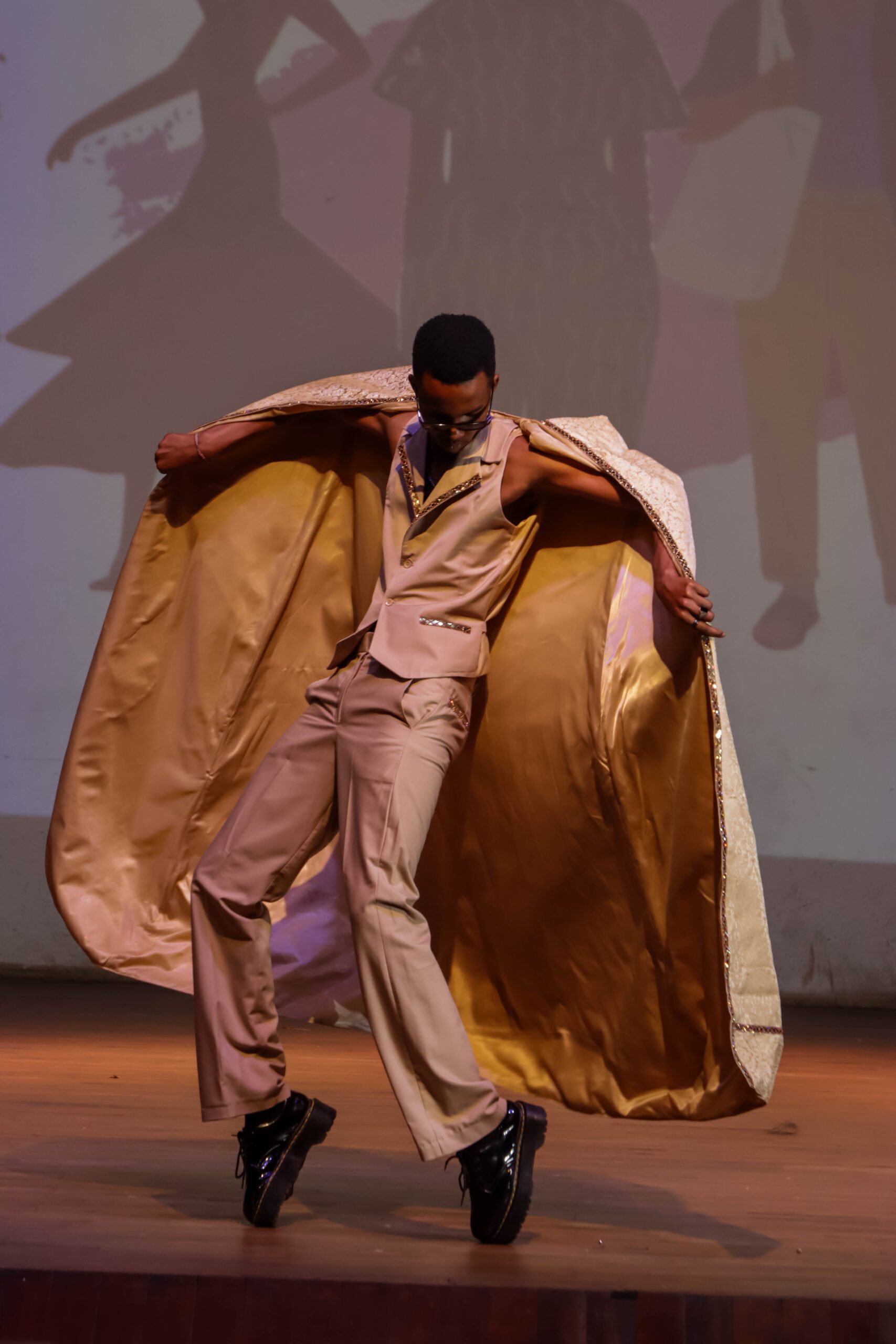
How to Make a Suit: Beginner Sewing Guide | Delight Technical College
The Garment That Separates Learning from Mastery
There are garments you learn to make, and then there are garments that define you as a fashion professional. The suit belongs firmly in the second category.
A well-made suit commands presence. It communicates confidence, discipline, and intention without a single word being spoken. Whether worn in a boardroom, at a wedding, in church, or on a formal stage, a suit carries weight. And behind that weight is skill.
At Delight Technical College, students in the School of Fashion and Design understand early on that learning how to make a suit is not about rushing to the final look. It is about mastering structure, precision, and patience. A suit is where foundational skills come together — measurement, pattern understanding, fabric knowledge, and finishing — all working in harmony.
This article explores how to make a suit in a narrative, easy-to-follow way. It avoids overwhelming technical detail while giving enough insight to understand the full journey from fabric selection to final fitting. Along the way, we connect this advanced garment to the professional fashion training offered at Delight Technical College, where students are prepared for real-world tailoring and design careers.
Why the Suit Is a Milestone in Fashion and Tailoring Training
Unlike casual garments, a suit is built on structure. Every line must be intentional. Every seam must serve a purpose. Small mistakes are not easily hidden.
At Delight Technical College, suits are taught later in training because they require a strong understanding of fundamentals. Learning to make a suit helps students develop:
- Advanced measurement accuracy
- Deep understanding of garment structure
- Precision sewing and assembly
- Professional finishing standards
- Confidence in complex construction
Mastering suits signals readiness for tailoring, formalwear production, and high-end fashion work.
Understanding What a Suit Is
A suit is a coordinated set of garments, traditionally consisting of:
- A jacket or blazer
- Matching trousers
- Sometimes a waistcoat
What defines a suit is not just matching fabric, but uniform construction, balance, and finish.
At Delight Technical College, students learn that suits are systems, not single garments. The jacket and trousers must work together in proportion, fit, and movement.
Step One: Choosing the Right Fabric for a Suit
Fabric selection is one of the most important decisions in suit-making. The wrong fabric can undermine even the best construction.
Beginner suit-makers are encouraged to work with fabrics that are:
- Medium weight
- Structured but not stiff
- Easy to press and shape
Common suit fabrics include suiting wool blends, twill, and high-quality polyester blends.
Students at Delight Technical College are trained to assess fabric durability, drape, and suitability for structured garments. They learn that a suit must hold its form while allowing comfort and movement.
Step Two: Taking Precise Measurements
Suit-making demands a higher level of measurement accuracy than most garments.
Key suit measurements include:
- Chest
- Waist
- Hip
- Shoulder width
- Jacket length
- Sleeve length
- Trouser length and rise
At Delight Technical College, students are taught that suits are unforgiving. Precision at the measurement stage prevents costly errors later.
Step Three: Understanding Suit Patterns
Suit patterns are more complex than those for everyday garments. A basic suit pattern includes:
- Jacket front and back panels
- Sleeves
- Lapels and facings
- Collar pieces
- Trouser front and back panels
- Waistband components
Students learn how each pattern piece contributes to structure, fit, and balance. At Delight Technical College, pattern reading is taught progressively to ensure clarity and confidence.
Step Four: Preparing and Cutting the Fabric
Cutting suit fabric is a deliberate and careful process. Accuracy here is essential.
Proper preparation includes:
- Laying fabric correctly on the grain
- Matching pattern alignment
- Marking construction points clearly
- Cutting with precision tools
Students in the School of Fashion and Design are taught that mistakes at this stage are difficult to correct later. Careful cutting protects both fabric and effort.
Step Five: Constructing the Suit Jacket
The jacket is the most complex part of a suit. It defines the suit’s character and silhouette.
While methods vary, jacket construction generally includes:
- Joining front and back panels
- Shaping the chest and waist
- Attaching sleeves
- Constructing lapels and collar
- Adding internal structure
At Delight Technical College, students learn to approach jacket construction with patience. Each step builds upon the previous one, reinforcing discipline and attention to detail.
Step Six: Constructing the Trousers
Suit trousers follow principles similar to tailored trousers but must match the jacket perfectly in style and proportion.
Construction typically includes:
- Joining leg panels
- Creating the centre seam
- Attaching the waistband
- Hemming and finishing
Students are taught to ensure consistency between the jacket and trousers, maintaining balance across the entire suit.
Step Seven: Fitting, Pressing, and Finishing
A suit is defined as much by its finishing as by its construction.
Professional finishing includes:
- Careful fitting adjustments
- Proper pressing and shaping
- Clean seam finishes
- Balanced hems and sleeves
At Delight Technical College, students learn that fitting is a conversation between the garment and the body. Small refinements make a significant difference.
What Learning to Make a Suit Teaches You
Beyond technical skills, making a suit teaches:
- Patience and discipline
- Advanced problem-solving
- Professional standards
- Confidence in complex garments
Students who master suits often move into tailoring, formalwear design, costume production, or fashion entrepreneurship.
Professional Fashion Training at Delight Technical College
The School of Fashion and Design at Delight Technical College provides structured, hands-on training that prepares students for advanced garment construction.
Students benefit from:
- Progressive learning from basics to advanced garments
- Experienced fashion and tailoring instructors
- Industry-aligned curriculum
- Recognized certifications
- A supportive, skill-focused environment
From skirts and shirts to suits, Delight equips students with the knowledge and confidence to work at professional standards.
From Skill to Signature Craft
Every tailor remembers the first suit they made. It may not have been perfect, but it marked a turning point — the moment learning became mastery.
At Delight Technical College, students are guided through that turning point with patience, structure, and expert instruction.
The suit you learn to make today could become your signature skill tomorrow.
If you admire the power of a well-made suit and want to understand how it is crafted, now is the time to take the next step.
Join the School of Fashion and Design at Delight Technical College and gain the advanced skills, professional discipline, and industry-ready training needed to turn fabric into finely tailored garments.
Because true fashion mastery is built stitch by stitch — and the suit is where it all comes together.