How to Make a Fashion Collection & Elevate Your Career
Every Collection Begins with a Dream
It starts with an idea — a color, a texture, or a cultural motif that speaks to the designer’s vision. Slowly, sketches emerge, fabrics are sourced, and silhouettes are perfected. Months later, the idea materializes as a cohesive fashion collection ready for the runway, ready to tell a story, and ready to transform a designer’s career.
Creating a fashion collection is more than sewing garments. It is strategic planning, artistic storytelling, technical precision, and market awareness. For aspiring designers in Kenya, building a collection opens doors to professional recognition, portfolio development, and international opportunities.
With institutions like Delight Technical College, students gain the skills, mentorship, and exposure to turn ideas into runway-ready collections. This article will explore how to make a fashion collection, why it matters for your career, and how Delight can help you succeed locally and globally.
Understanding What a Fashion Collection Is
- Definition of a Fashion Collection
A fashion collection is a cohesive set of garments and accessories designed around a central theme, story, or aesthetic. Key characteristics include:
- Consistency: Fabrics, colors, and silhouettes are harmonized.
- Narrative: Each garment contributes to a story or concept.
- Market Awareness: Collections are designed with target audiences in mind.
- Seasonal Relevance: Most collections align with fashion seasons (Spring/Summer, Autumn/Winter) or event-specific launches.
Unlike individual pieces, a collection demonstrates a designer’s creative breadth, technical skill, and brand vision.
- Importance of Fashion Collections in a Designer’s Career
Fashion collections are critical because they:
- Showcase Talent: A complete collection highlights skill, creativity, and professionalism.
- Build Brand Identity: Collections help establish a unique design voice and market positioning.
- Attract Industry Attention: Buyers, stylists, media, and fashion institutions notice cohesive collections more than individual garments.
- Open Career Opportunities: Successful collections can lead to runway invitations, client commissions, and international collaborations.
In Kenya, fashion collections are increasingly recognized in events like Kenya Fashion Week, giving designers a platform to gain local and global visibility.
Step-by-Step Guide: How to Make a Fashion Collection
Creating a collection involves a blend of artistry, research, planning, and execution. Here’s a detailed guide:
Step 1: Research and Inspiration
Every collection starts with research:
- Cultural and Historical References: Explore Kenyan heritage, African art, or global fashion trends.
- Current Trends: Analyze colors, silhouettes, fabrics, and themes dominating fashion markets.
- Market Insights: Consider target audiences and what resonates with them.
- Mood Boards and Sketches: Translate ideas into visual representations.
At Delight Technical College, students are trained to research extensively and develop concept boards, ensuring collections are thoughtful, relevant, and visually coherent.
Step 2: Defining Your Theme and Concept
A strong concept ensures cohesion. Designers should ask:
- What story or emotion does the collection convey?
- What color palettes, textures, and fabrics will reflect this concept?
- How will each piece relate to the overall narrative?
Delight encourages students to integrate cultural motifs, personal stories, or global fashion influences to create collections with depth and originality.
Step 3: Sketching and Design Development
Sketching transforms ideas into tangible designs:
- Fashion Illustrations: Capture silhouette, fabric, and detailing.
- Technical Drawings: Specify construction details for production.
- Fabric Swatches and Color Palettes: Ensure visual harmony across the collection.
Students at Delight learn to create professional sketches and technical drawings, preparing them for industry standards and portfolio presentations.
Step 4: Fabric Selection and Sourcing
Fabrics define the collection’s texture, flow, and visual impact:
- Consider weight, drape, and tactile quality.
- Choose fabrics compatible with design techniques (pleating, embroidery, tailoring).
- Incorporate sustainable or local fabrics to create distinctive and ethically conscious collections.
Delight provides exposure to a wide variety of fabrics and teaches students how to make strategic fabric choices that enhance their creative vision.
Step 5: Garment Construction
Once designs are finalized, construction begins:
- Pattern Making: Create accurate patterns for each design.
- Prototyping: Build samples or muslins to refine fit and proportions.
- Sewing and Tailoring: Assemble garments with precision and quality finishing.
- Hand Embellishments: Incorporate couture-level details if applicable.
Students at Delight gain hands-on practice, ensuring they can produce runway-ready garments with professional standards.
Step 6: Styling and Coordination
Styling brings the collection together:
- Accessories, shoes, and hair/makeup complement the theme.
- Visual cohesion enhances storytelling on the runway or portfolio.
- Styling choices influence the audience’s perception of the collection.
Delight trains students in full collection styling, preparing them for runway shows and photo shoots.
Step 7: Fittings and Adjustments
Cohesion and comfort are refined through repeated fittings:
- Ensure each garment fits flawlessly.
- Balance aesthetics with practicality and movement.
- Make adjustments to align pieces with the overarching theme.
Delight emphasizes iterative refinement, teaching students that precision is key to professional-level collections.
Step 8: Presentation and Runway Shows
The final step is showcasing the collection:
- Fashion shows provide a platform for industry exposure.
- Runway presentation teaches timing, choreography, and professional etiquette.
- Audience feedback helps refine future collections and career strategies.
Delight integrates fashion showcases into its academic programs, giving students practical runway experience that mirrors industry expectations.
How Making Collections Builds a Career
- Portfolio Strength
A cohesive collection is a powerful portfolio asset:
- Demonstrates versatility and creativity
- Shows mastery of construction and styling
- Provides tangible proof of professional capability
Graduates from Delight leave with portfolios showcasing completed collections, giving them a competitive edge in the fashion industry.
- Industry Visibility
Collections attract attention from:
- Fashion editors and media
- Buyers and clients
- Industry mentors and collaborators
Participation in events like Delight’s fashion shows or Kenya Fashion Week can launch a designer’s career locally and internationally.
- Global Market Relevance
Collections help designers compete globally:
- Express African identity in internationally appealing designs
- Engage in fashion weeks, online marketplaces, or bespoke client services
- Create opportunities for collaboration with international designers
Delight’s programs equip students with skills and exposure to reach beyond the local market, blending Kenyan creativity with global fashion standards.
Delight Technical College: Your Partner in Building Fashion Collections
Delight provides structured programs that cover:
- Concept development and research
- Fashion illustration and technical design
- Pattern making and garment construction
- Couture and ready-to-wear techniques
- Styling and runway presentation
Students learn from concept to runway, preparing them to create full collections for professional contexts.
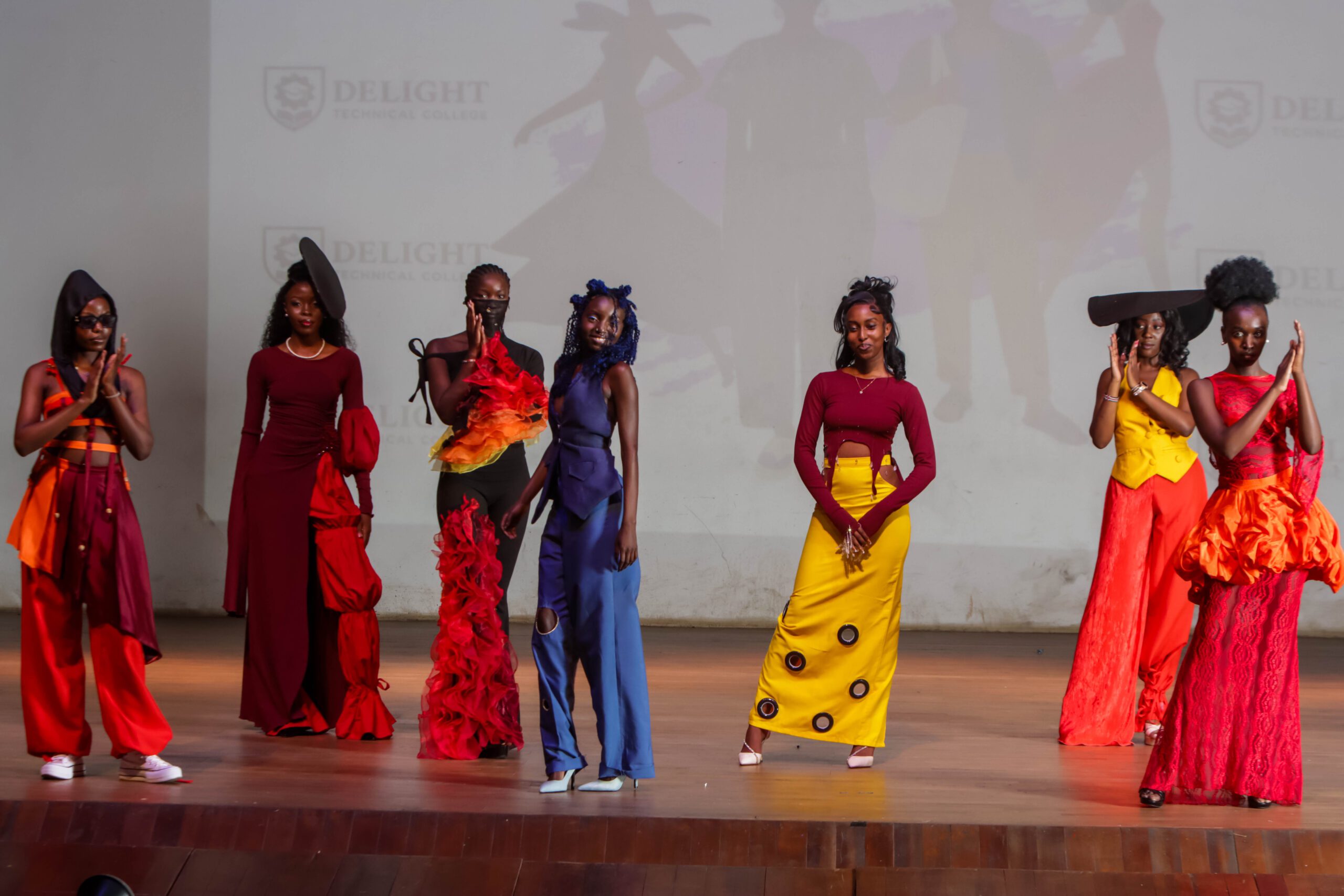
Fashion Shows and Events
Delight hosts fashion showcases where students:
- Present collections to real audiences
- Work with stylists, photographers, and models
- Gain industry recognition and feedback
These experiences mirror global fashion standards, giving students confidence and practical understanding of professional fashion cycles.
Career Pathways
Graduates who can create cohesive collections have multiple opportunities:
- Launching their own fashion brand
- Working with established fashion houses
- Participating in local and international fashion weeks
- Offering bespoke services or couture design
Delight provides mentorship and exposure to help students transition from learning to professional success.
Why Every Designer Should Learn to Make Collections
- Develops creative storytelling and technical mastery
- Builds a distinguishable brand and professional portfolio
- Attracts industry recognition and client opportunities
- Provides experience in local and global markets
- Prepares designers to compete professionally and ethically
In short, mastering collections is essential for career growth and longevity in fashion.
Turn Your Vision Into a Collection at Delight
Creating a fashion collection is not just about designing garments — it’s about telling stories, defining your brand, and launching a career.
At Delight Technical College, aspiring designers gain:
- Expert guidance in designing and constructing collections
- Hands-on runway experience through fashion showcases
- Mentorship in portfolio building and professional presentation
- Exposure to both local and international fashion standards
If you dream of crafting collections that inspire, captivate, and propel your career, your journey begins at Delight Technical College’s School of Fashion & Design.
Step into the world of fashion, create collections that tell your story, and let your work shine on Kenyan and global runways.