
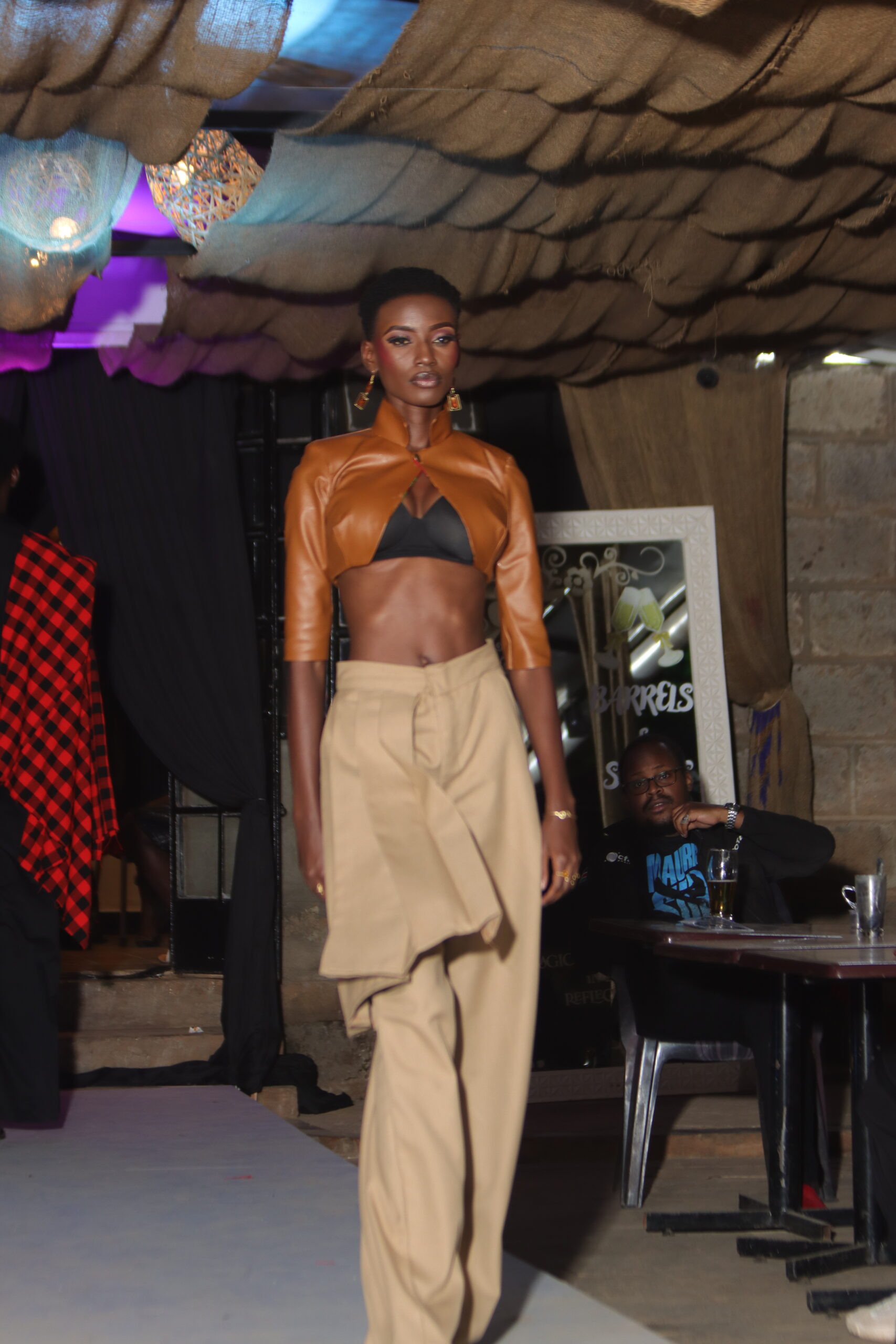
How to Make a Blouse: Beginner Sewing Guide | Delight Technical College
A Quiet Morning, a Blank Table, and a Single Piece of Fabric
There is a quiet kind of magic that happens when a piece of fabric is laid flat on a table. It is unassuming, ordinary even. To anyone else, it is just cloth. But to a designer, a tailor, or a student just beginning their fashion journey, it is possibility.
At Delight Technical College, many fashion students remember their first blouse not because it was perfect, but because it was the first. The first time measurements made sense. The first time the sewing machine felt less intimidating. The first time fabric stopped being fabric and started becoming a garment.
A blouse is often one of the earliest garments taught in fashion and design training. Not because it is simple, but because it quietly teaches almost everything that matters: accuracy, patience, creativity, and discipline. Learning how to make a blouse is not just about stitching pieces together — it is about learning how to think like a fashion professional.
This article is designed to guide you through how to make a blouse in a way that is easy to understand, narrative‑driven, and beginner‑friendly. It will not overwhelm you with technical jargon, but it will give you enough clarity to understand the process from start to finish. Along the way, we will connect this timeless skill to the training offered at Delight Technical College’s School of Fashion and Design, where students turn foundational garments like blouses into the starting point of successful fashion careers.
Why the Blouse Matters in Fashion and Design
Before diving into how to make a blouse, it helps to understand why the blouse is such an important garment in fashion education.
Across cultures, climates, and generations, the blouse has remained relevant. It can be formal or casual, modest or bold, structured or flowing. It adapts to trends while still holding its classic identity. Because of this versatility, the blouse becomes an ideal teaching garment in fashion schools.
At Delight Technical College, fashion and design students often begin with garments like skirts, blouses, and simple dresses. The blouse, in particular, teaches:
- Understanding body measurements
- Fabric behavior and drape
- Pattern interpretation
- Basic construction techniques
- Neat finishing and presentation
Mastering a blouse builds confidence. Once a student understands how to construct one well, more complex garments stop feeling impossible.
Understanding What a Blouse Is (and Isn’t)
A blouse is a women’s upper garment, typically worn from the waist up. While the word may sound straightforward, blouses come in countless styles:
- Fitted blouses
- Loose or flowing blouses
- Button‑down blouses
- Peplum blouses
- Sleeveless blouses
- Blouses with collars, cuffs, or decorative details
For beginners, the goal is not to master every variation at once. Instead, learning how to make a basic blouse creates a foundation that can later be adapted into more advanced designs.
Fashion students at Delight Technical College learn that fashion is cumulative. Each garment builds on the last. The blouse is a stepping stone, not a destination.
Step One: Choosing the Right Fabric
Every good blouse starts with the right fabric. This is where many beginners make their first mistakes — not because they are careless, but because fabric knowledge takes time to develop.
For a beginner blouse, it is best to choose fabrics that are:
- Easy to handle
- Not too slippery
- Not too stiff
- Forgiving of small mistakes
Common beginner‑friendly fabrics include cotton, cotton blends, and lightweight linen. These fabrics hold their shape well and respond predictably under a sewing machine.
At Delight Technical College, students are trained to feel fabric, not just look at it. They learn how weight, texture, and weave affect how a blouse will sit on the body.
Choosing the right fabric is not just a technical decision — it is a design decision.
Step Two: Taking Accurate Measurements
Measurements are the silent backbone of any well‑fitting blouse. Without them, even the most beautiful fabric and neat stitching will not save the garment.
Key measurements usually include:
- Bust
- Waist
- Shoulder width
- Blouse length
- Sleeve length (if sleeves are included)
The goal is accuracy, not speed. Fashion students at Delight Technical College are taught early on that rushing measurements leads to wasted fabric and frustration.
This step also teaches respect for the human body. Every body is different, and fashion design is about working with those differences, not against them.
Step Three: Understanding the Pattern (Without Fear)
Patterns often intimidate beginners. They look technical, full of lines, symbols, and instructions. But at their core, patterns are simply guides.
For a beginner blouse, patterns are usually straightforward. They represent:
- The front piece
- The back piece
- Sleeves (if applicable)
- Facings or collars
At Delight Technical College, students are taught how to read patterns slowly and logically. They learn that patterns are not rules — they are tools.
Understanding patterns teaches problem‑solving, spatial thinking, and garment visualization — all essential skills for a fashion designer.
Step Four: Cutting the Fabric with Purpose
Cutting fabric is a moment of commitment. Once fabric is cut, there is no undo button.
This step requires:
- Proper layout of pattern pieces
- Attention to fabric grain
- Sharp cutting tools
- Patience
Fashion students learn early that cutting is not about speed. It is about intention. A clean cut sets the tone for the entire blouse.
At Delight Technical College, instructors emphasize that professional garments are made long before the sewing machine is turned on.
Step Five: Assembling the Blouse Step by Step
This is where the blouse begins to take shape. Assembly usually follows a logical order:
- Joining shoulder seams
- Attaching sleeves or armholes
- Sewing side seams
- Creating the neckline
- Finishing hems
For beginners, the focus is not perfection — it is understanding sequence. Knowing what comes next is as important as knowing how to sew.
At Delight Technical College, students are guided through this process repeatedly, allowing muscle memory and confidence to develop naturally.
Step Six: Neat Finishing Makes the Difference
A blouse can look complete and still be unfinished. Neat finishing is what separates homemade from professional.
This includes:
- Clean seams
- Proper hemming
- Well‑finished necklines
- Secure stitching
Students in the School of Fashion and Design at Delight Technical College are taught that finishing is a sign of respect — for the garment, the wearer, and the craft.
Learning Beyond the Blouse: What This Skill Unlocks
Learning how to make a blouse is not just about one garment. It opens doors to:
- Dressmaking
- Fashion entrepreneurship
- Custom tailoring
- Fashion illustration and pattern making
- Ready‑to‑wear production
Many students who start with a simple blouse at Delight Technical College go on to design full collections, work in fashion houses, or start their own brands.
The blouse becomes the beginning of a larger story.
Why Learn Fashion and Design at Delight Technical College
Delight Technical College’s School of Fashion and Design offers more than just sewing skills. It offers structure, mentorship, and industry‑relevant training.
Students benefit from:
- Practical, hands‑on learning
- Experienced instructors
- Industry‑aligned curriculum
- Recognized certifications
- A supportive creative environment
Whether you are a beginner or someone looking to refine your skills, Delight provides the foundation needed to grow confidently in the fashion industry.
The Story You Can Start Today
Every skilled designer was once a beginner standing over a cutting table, unsure but curious. The blouse you learn to make today could be the garment that changes how you see yourself — not just as someone who sews, but as someone who creates.
At Delight Technical College, the School of Fashion and Design exists to nurture that transformation. From basic garments like blouses to advanced fashion design concepts, students are guided step by step toward professional excellence.
If you have ever admired a well‑made blouse and thought, “I wish I could do that,” this is your sign.
Explore the School of Fashion and Design at Delight Technical College. Learn the skills, gain the confidence, and begin your journey from fabric to fashion.
Because every great fashion story starts with a single stitch.