Diploma in Digital Journalism in Kenya (2026 Guide)
Introduction: The Journalist Who Didn’t Wait for a Newsroom
At 21, Amina didn’t have a press card, a studio, or a newsroom desk.
What she had was a smartphone, curiosity, and a story to tell.
When floods affected her neighbourhood, she documented the crisis — filming interviews, posting updates, verifying facts, and publishing a short documentary online. Within days, her story had thousands of views and was shared by local media houses.
She wasn’t hired.
She wasn’t commissioned.
She was trained.
That training is what separates someone who posts content from someone who practices digital journalism professionally.
Across Kenya’s fast-moving media industry, traditional journalism alone is no longer enough. Today’s reporters must shoot video, edit audio, verify sources online, analyse data, and publish across multiple platforms — all while maintaining professional ethics.
That is why more students are enrolling in Diploma in Digital Journalism programs that combine storytelling, technology, and media production skills.
In this complete guide, you’ll learn:
- What a Diploma in Digital Journalism is
- Entry requirements and duration
- Skills you’ll gain
- Career opportunities
- Why accreditation matters
- Why many students are choosing Delight Technical College’s School of Media & AI for professional training
What Is a Diploma in Digital Journalism?
A Diploma in Digital Journalism is a professional training program that prepares students to create, edit, publish, and distribute news content across digital platforms.
Unlike traditional journalism programs that focused mainly on print or broadcast, modern digital journalism diplomas teach:
- Multimedia storytelling
- Online publishing tools
- Video production
- Podcasting
- Mobile journalism
- Social media reporting
- Media law and ethics
Training is both technical and editorial, ensuring graduates can work in real media environments.
Many journalism diploma programs are designed to balance theory and practical training so students develop both journalistic principles and technical production skills.
Duration of Digital Journalism Diploma Programs in Kenya
Most diploma-level journalism courses in Kenya take about 18–24 months, depending on institution and structure.
For example:
- A typical diploma journalism course can run 24 months with comprehensive training across media formats.
- Some diploma programs may be shorter (around 12–18 months) if structured as intensive professional programs.
This timeline ensures students gain:
- classroom knowledge
- practical production experience
- industry exposure
At Delight Technical College, the Diploma in Digital Journalism follows a structured professional pathway aligned with national training standards and industry expectations.
Entry Requirements for Diploma in Digital Journalism
In Kenya, diploma journalism programs typically require:
- KCSE mean grade C– (minus) or equivalent qualification
Certificate-level programs may accept:
- KCSE grade D (plain) or equivalent
Artisan-level training may accept:
- KCPE or any KCSE grade
These flexible entry pathways make journalism training accessible to learners from different academic backgrounds.
At Delight Technical College, admissions follow nationally recognized qualification standards, ensuring students are placed in programs suited to their academic level.
What You Learn in a Digital Journalism Diploma
A professional diploma program trains students across multiple disciplines so they graduate as fully equipped media professionals.
Core Journalism Skills
Students learn:
- News writing and reporting
- Interview techniques
- Investigative journalism
- Research methods
- Feature writing
- Editing and proofreading
These subjects form the backbone of professional reporting.
Digital Production Skills
Modern journalists must produce multimedia content. Training includes:
- Photography for journalism
- Video shooting and editing
- Podcast production
- Mobile reporting
- Online publishing tools
Programs often include modules specifically focused on digital content production and mobile journalism.
Technical Media Skills
Digital journalism students also learn:
- Studio operations
- Broadcast production
- Media technology systems
- Digital storytelling platforms
These skills prepare graduates for multimedia newsrooms.
Professional & Ethical Training
Strong journalism programs also teach:
- Media law
- Ethics
- Media and society
- Communication skills
These ensure graduates understand responsibility, credibility, and professional standards.
Why Digital Journalism Is One of Kenya’s Fastest-Growing Careers
Kenya’s media industry is undergoing rapid transformation.
Traditional newspapers, TV stations, and radio broadcasters are evolving into digital platforms. Today, news is consumed through:
- websites
- social media
- podcasts
- live streams
- newsletters
- mobile apps
This shift means media organizations need professionals who can produce content across multiple platforms simultaneously.
Employers now prioritize candidates who can:
- write articles
- shoot video
- edit audio
- design graphics
- publish online
A digital journalism diploma equips students with this multi-skill advantage, making them highly employable.
Career Opportunities After Graduation
Graduates of digital journalism diploma programs can work in a wide range of industries, including:
Media Industry Careers
- Reporter
- News editor
- Digital producer
- TV presenter
- Radio journalist
- Multimedia journalist
Digital Media Careers
- Content creator
- Social media manager
- Podcast producer
- Online editor
- Digital strategist
Corporate & Communication Roles
- PR officer
- Communications assistant
- Corporate storyteller
- Brand journalist
Journalism training prepares students for diverse communication careers, including broadcast, digital journalism, advertising, and media management.
Why Accreditation Matters When Choosing a Journalism School
Not all training institutions offer recognized qualifications.
In Kenya, credible colleges should be accredited by national regulatory and examination bodies such as:
- TVETA (Technical and Vocational Education and Training Authority)
- TVET-CDACC (Curriculum Development, Assessment and Certification Council)
- NITA (National Industrial Training Authority)
Accreditation ensures:
- your qualification is nationally recognized
- employers trust your training
- you can progress academically
- your certification is legitimate
Choosing an accredited institution protects your future career opportunities.
Why Many Students Choose Delight Technical College for Digital Journalism
For students seeking a professional, practical, and career-focused journalism education, Delight Technical College – School of Media & AI stands out.
Here’s why.
- National Accreditation & Recognition
Delight Technical College is approved by the Ministry of Education and registered under TVETA.
This means:
- programs meet national education standards
- certifications are recognized across Kenya
- employers trust graduates
- Industry-Focused Curriculum
Courses are designed to match real media industry needs, not outdated theory.
Students learn using modern tools, equipment, and real production projects — ensuring they graduate ready to work immediately.
- Practical Training Approach
Unlike purely academic programs, training emphasizes:
- studio practice
- real assignments
- production projects
- field reporting
This hands-on method helps students build real portfolios before graduation.
- Flexible Study Options
Students can choose schedules that fit their lifestyle:
- Day classes
- Evening classes
- Weekend classes
This flexibility is ideal for:
- working professionals
- freelancers
- entrepreneurs
- career switchers
- Affordable Tuition Structure
At Delight Technical College:
- Media & AI diploma, certificate, and artisan courses cost about KSh 35,000 per term
This makes professional media training accessible compared to many institutions.
- Progressive Learning Pathways
Students can advance step-by-step:
Artisan → Certificate → Diploma → Career
This structure allows learners to grow gradually while gaining skills and experience.
- Real Industry Exposure
Students benefit from:
- internship opportunities
- industry mentorship
- networking exposure
Practical experience is essential because employers often prioritize hands-on ability alongside academic qualifications.
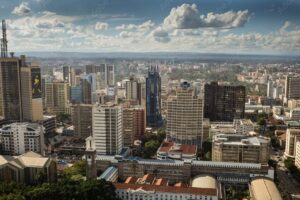
- Central Nairobi Location
The campus is located in Nairobi CBD:
Delight Technical College
Muindi Mbingu Street
Opposite Jevanjee Gardens
This prime location makes it easy to access transport, media houses, and production environments.
- Supportive Learning Environment
Students also benefit from:
- career guidance
- mentorship programs
- creative clubs
- collaborative projects
- entrepreneurship training
This ensures graduates don’t just find jobs — they can create their own opportunities.
Facilities That Support Journalism Training
Modern journalism requires modern tools.
Students training at a professional media college should have access to:
- computer labs
- editing software
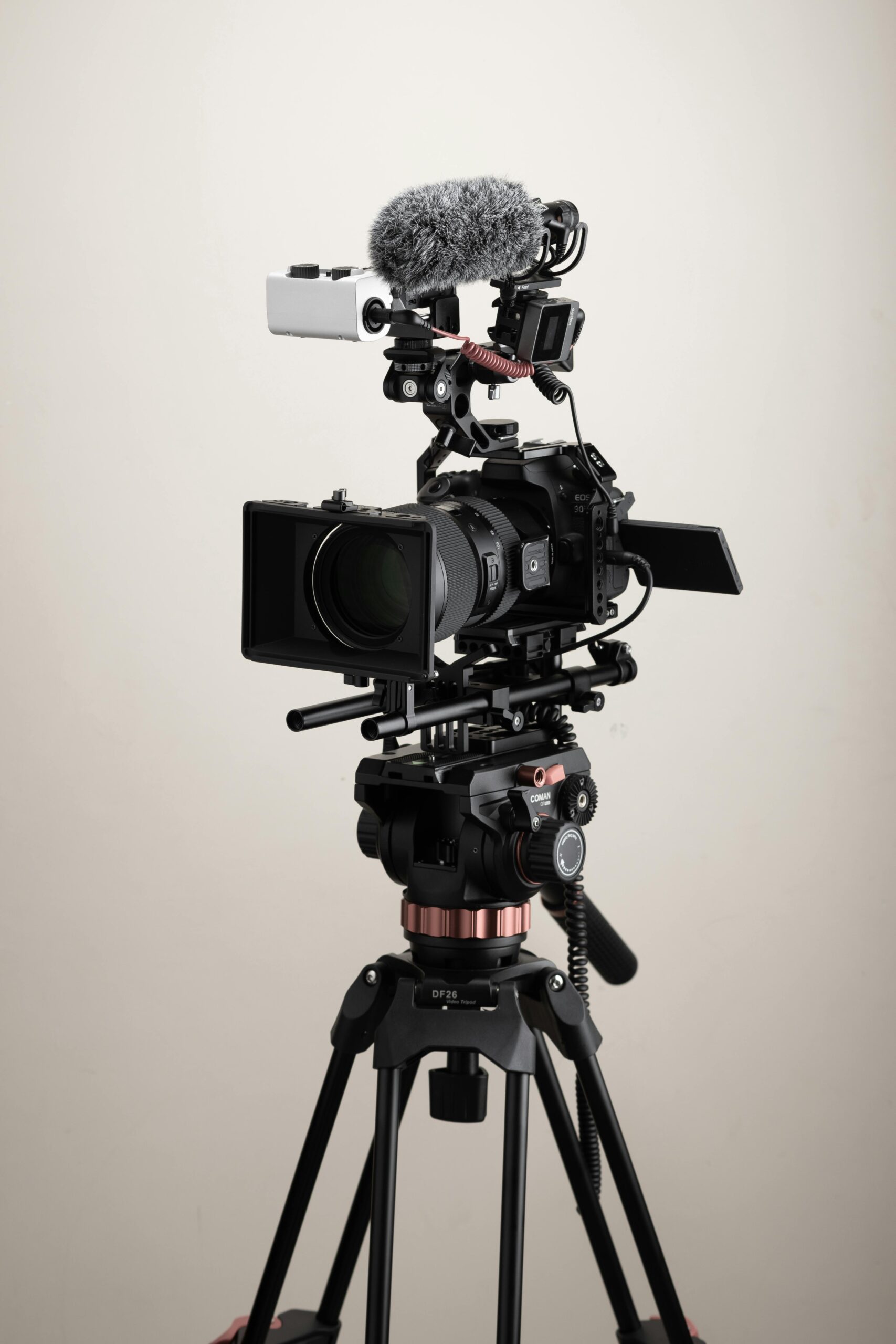
- cameras
- studio equipment
- internet connectivity
Hands-on access to multimedia tools is essential for building real journalism skills.
Delight Technical College integrates practical facilities into learning so students practice while studying.
Skills Employers Look for in Digital Journalism Graduates
Media employers today are looking for multi-skilled professionals.
Top skills include:
- storytelling ability
- technical production skills
- critical thinking
- research ability
- ethical judgment
- adaptability
Diploma training develops these competencies so graduates are ready for fast-paced media environments.
Who Should Study Digital Journalism?
A Diploma in Digital Journalism is ideal for:
- aspiring reporters
- content creators
- vloggers
- bloggers
- filmmakers
- podcasters
- media entrepreneurs
- social media managers
You don’t need prior experience — just curiosity, creativity, and willingness to learn.
The Future of Journalism in Kenya
The next generation of journalists will not work in traditional newsrooms alone.
They will work:
- remotely
- freelance
- online
- across platforms
- across borders
Digital journalism is not just a career.
It’s a skill set for the modern world.
Those who train early gain a competitive advantage.
How to Apply — Delight Technical College
Campus: Muindi Mbingu Street, Opposite Jevanjee Gardens, Nairobi
Call / WhatsApp: +254 722 533 771 / +254 724 566 088
Website: www.delight.ac.ke
Email: info@delight.ac.ke
Application Requirements
- Copy of KCPE/KCSE certificate or result slip
- Copy of National ID
- Copy of birth certificate (if applicable)
- Two passport photos
Final Thoughts: The Smartest Step Toward a Media Career
The media industry no longer waits for graduates to “learn on the job.”
It hires people who already know how to:
- tell stories
- operate equipment
- publish content
- engage audiences
That level of readiness comes from professional training.
A Diploma in Digital Journalism is more than a qualification.
It’s a launchpad into one of the most exciting, fast-growing creative industries in the world.
For students who want practical training, recognized certification, flexible schedules, and real career preparation, Delight Technical College’s School of Media & AI offers a direct path from classroom to newsroom.
If your goal is to become a journalist who doesn’t just follow stories but creates them — this is where your journey begins.