
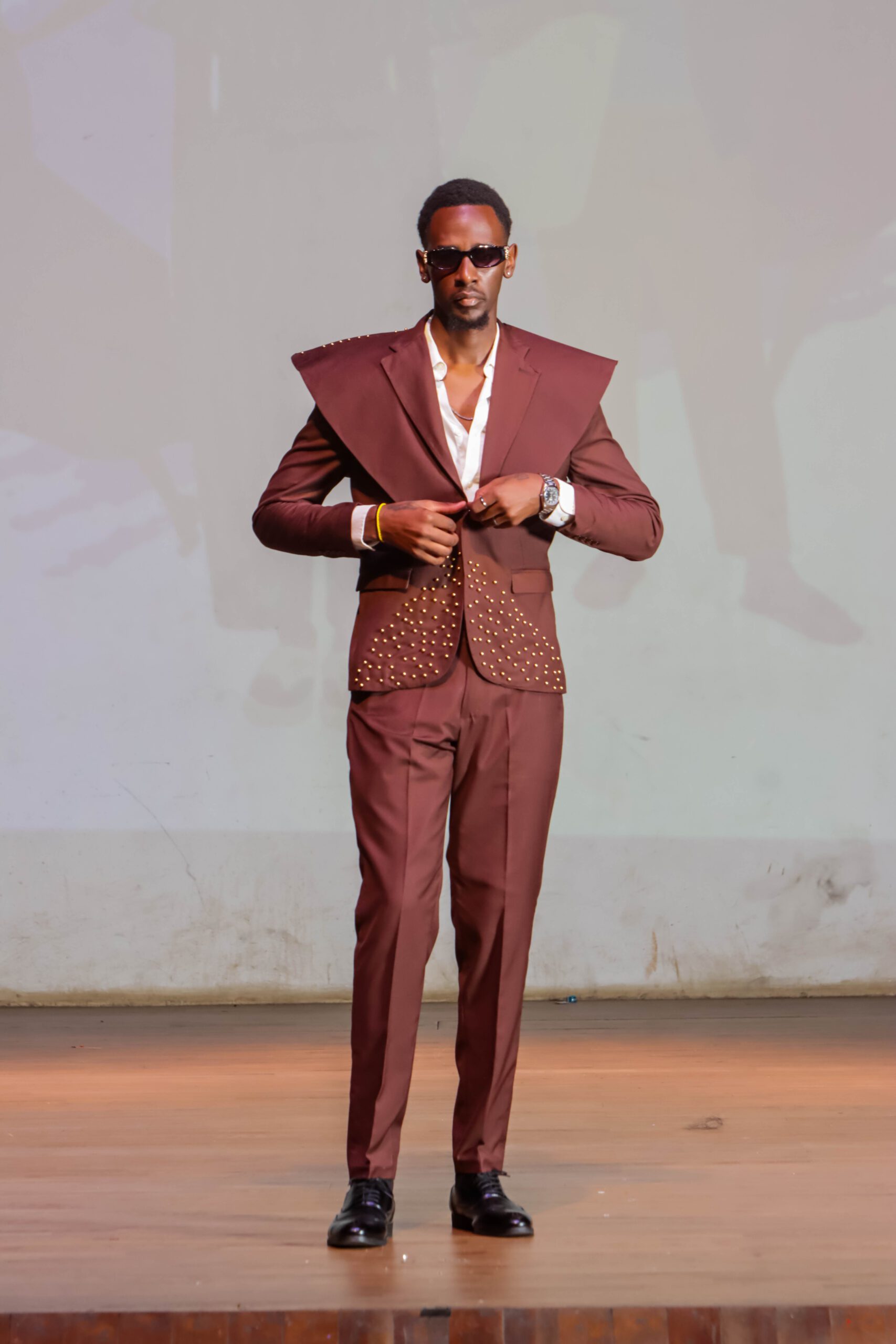
Difference Between Fast Fashion and Slow Fashion
Two Speeds One Industry: Understanding the Difference Between Fast Fashion and Slow Fashion
A Dress That Lasts One Season — and Another That Tells a Lifetime Story
On a busy Nairobi street, a shopper steps into a store filled with bright lights and racks packed tightly with trendy clothes. New arrivals everywhere. Prices so low they feel irresistible. She buys a dress on impulse, wears it twice, and by the third wash, the seams twist and the fabric fades.
Across town, another garment is being made slowly. A designer sketches, chooses fabric carefully, cuts with intention, and sews with patience. The dress costs more. It takes longer to make. But years later, it still fits beautifully — and still tells a story.
These two garments represent the two dominant philosophies shaping the modern fashion industry: fast fashion and slow fashion.
Understanding the difference between them is no longer optional for fashion students, designers, or consumers. It defines the future of fashion — and it is a conversation deeply embedded in modern fashion education at institutions like Delight Technical College.
What Is Fast Fashion?
Fast fashion is built on speed, volume, and trend replication.
The Rise of Fast Fashion
Fast fashion emerged in the late 20th century as global supply chains expanded and consumer demand for affordable, trendy clothing increased. Brands learned how to take runway designs and reproduce them quickly for mass markets.
The goal was simple:
- Produce clothing fast
- Sell it cheap
- Replace it often
This model transformed fashion into a cycle of constant consumption.
Key Characteristics of Fast Fashion
Fast fashion is defined by:
- Rapid production cycles
- Low-cost materials
- Trend-driven designs
- Mass manufacturing
- Short garment lifespan
Clothing is designed to be worn briefly, then replaced when the next trend arrives.
What Is Slow Fashion?
Slow fashion is a response — and a resistance — to fast fashion.
The Philosophy of Slow Fashion
Slow fashion emphasizes quality over quantity, craft over speed, and ethics over excess. It values the people, processes, and resources behind every garment.
Slow fashion asks a different question:
“How should clothing be made — and why?”
Rather than chasing trends, slow fashion focuses on timeless design, durability, and meaning.
Key Characteristics of Slow Fashion
Slow fashion is defined by:
- Thoughtful design
- High-quality materials
- Skilled craftsmanship
- Ethical labor practices
- Longer garment lifespan
Each piece is made to last — physically and emotionally.
roduction Speed: Rapid vs Intentional
Fast Fashion Production
Fast fashion brands may release new collections every few weeks. Garments are produced in massive quantities, often under intense pressure to meet deadlines.
Speed is prioritized over precision.
Slow Fashion Production
Slow fashion takes time. Designers allow room for:
- Proper pattern drafting
- Careful fabric selection
- Skilled sewing and finishing
Time is treated as part of the value of the garment.
At Delight Technical College, students are taught that rushing production often sacrifices quality — a lesson central to slow fashion principles.
Quality and Craftsmanship
Fast Fashion Quality
Fast fashion garments often:
- Use inexpensive fabrics
- Have weak seams
- Lack proper finishing
- Lose shape quickly
The goal is affordability, not longevity.
Slow Fashion Quality
Slow fashion garments:
- Use durable, high-quality fabrics
- Feature strong construction
- Include careful finishing
- Improve with wear
Craftsmanship is the heart of slow fashion — and a core focus in fashion training.
Environmental Impact: Waste vs Responsibility
Environmental Cost of Fast Fashion
Fast fashion contributes significantly to:
- Textile waste
- Water pollution
- Carbon emissions
- Overuse of natural resources
Millions of garments are discarded each year, many ending up in landfills across Africa and other regions.
Environmental Approach of Slow Fashion
Slow fashion aims to:
- Reduce waste
- Use sustainable materials
- Encourage reuse and repair
- Promote responsible consumption
Sustainability is not a trend — it is a responsibility increasingly emphasized in modern fashion education.
Labor and Ethics
Labor Practices in Fast Fashion
Fast fashion often relies on:
- Low-wage labor
- Unsafe working conditions
- Minimal worker protections
The true cost of cheap clothing is often paid by unseen hands.
Labor Practices in Slow Fashion
Slow fashion prioritizes:
- Fair wages
- Safe working environments
- Respect for skilled artisans
Garments are valued not just for how they look — but for how they are made.
Design Philosophy: Trends vs Timelessness
Fast Fashion Design
Designs are:
- Trend-focused
- Short-lived
- Easily replaceable
Creativity often takes a back seat to replication.
Slow Fashion Design
Designs are:
- Timeless
- Purposeful
- Rooted in identity and culture
Designers are encouraged to think deeply about form, function, and meaning — a mindset cultivated at Delight Technical College.
Cost: Cheap Now, Expensive Later
The Hidden Cost of Fast Fashion
While fast fashion garments are cheap upfront, they often:
- Wear out quickly
- Need frequent replacement
- Create long-term environmental costs
Cheap clothing is rarely cheap in the long run.
The Value of Slow Fashion
Slow fashion may cost more initially, but:
- Garments last longer
- Quality remains consistent
- Emotional attachment reduces waste
Value is measured over time, not at checkout.
The Role of Fast and Slow Fashion in Today’s Industry
Fast fashion dominates global markets, but slow fashion is shaping the future.
Consumers are becoming more conscious. Designers are rethinking processes. Fashion schools are updating curricula to reflect ethical and sustainable practices.
Designers who understand both systems are better equipped to:
- Make informed creative choices
- Build responsible fashion brands
- Compete in global markets
Slow Fashion and the African Fashion Narrative
Africa has always understood slow fashion — long before the term existed.
Traditional African garments were:
- Handcrafted
- Durable
- Culturally meaningful
- Passed down through generations
Modern African designers are now reclaiming this heritage, blending traditional craftsmanship with contemporary design.
At Delight Technical College, students are encouraged to draw from African fashion values while preparing for the global industry.
Learning Ethical Fashion at Delight Technical College
At Delight Technical College’s School of Fashion and Design, students learn more than how to sew.
They learn:
- Garment construction with longevity in mind
- Fabric selection for sustainability
- Ethical production practices
- Fashion history and responsibility
- Business decisions that balance profit and purpose
This education prepares students not just to follow the industry — but to shape it.
Delight trains designers who understand that fashion choices have consequences.
Why Understanding Fast vs Slow Fashion Shapes Careers
Fashion professionals who understand this difference can:
- Design responsibly
- Educate consumers
- Build sustainable brands
- Adapt to industry change
The future of fashion belongs to designers who think beyond trends and toward impact.
Choose the Speed of Your Future
Fashion moves fast — but your values don’t have to.
You can choose to create garments that disappear after a season…
Or pieces that endure, inspire, and respect the world they come from.
If you want to design with intention…
If you want to master fashion that balances creativity, ethics, and skill…
If you want to be part of the future — not just the cycle…
Enroll at Delight Technical College’s School of Fashion and Design.
Learn the difference.
Master the craft.
Design fashion that doesn’t just move fast — it moves forward.
Because the most powerful trend in fashion today
is choosing to create with purpose.