
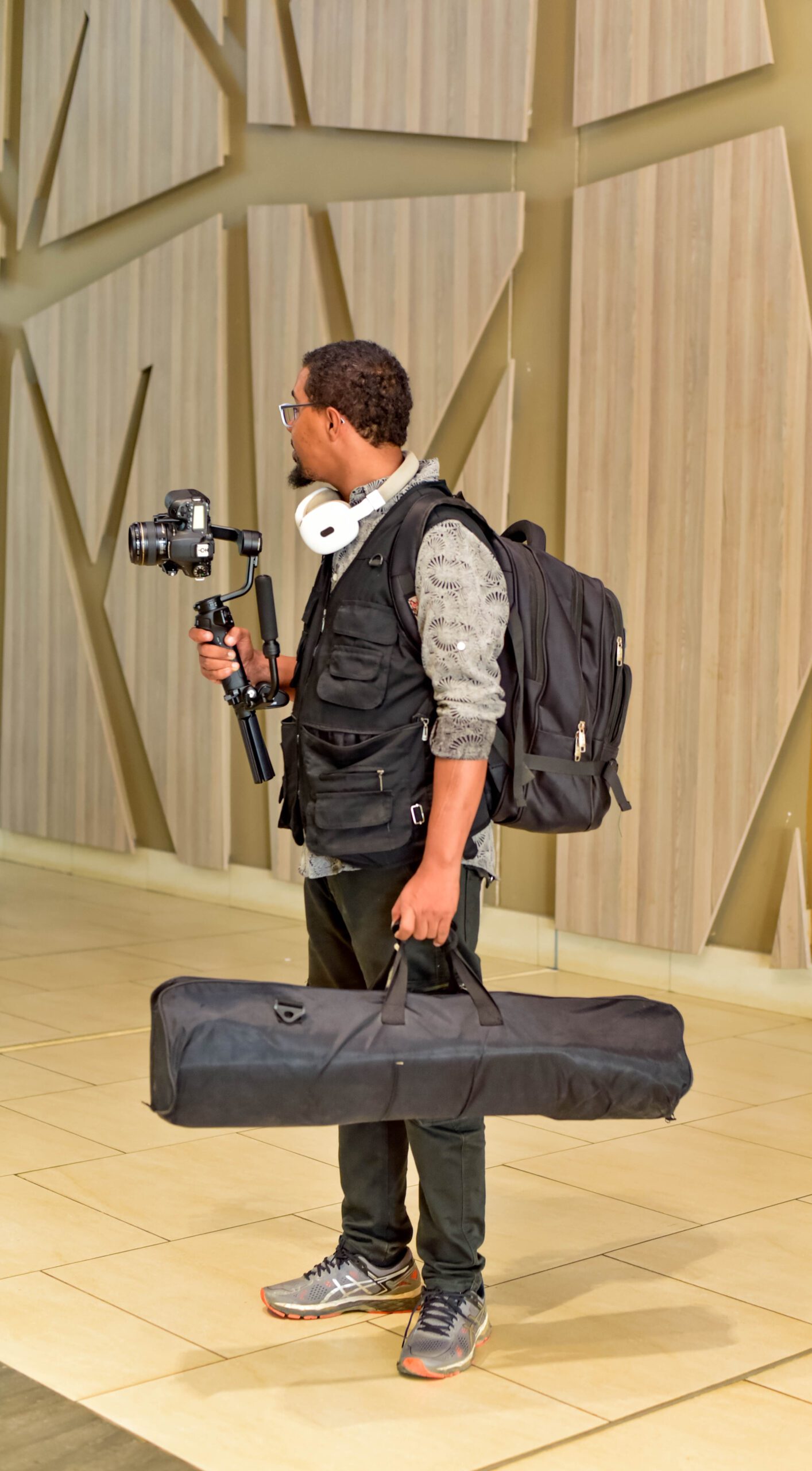
Best Camera for Film | Delight Technical College
How to Pick the Best Camera for Your Film
Why Camera Choice Is a Storytelling Decision — and How Delight Technical College Trains Filmmakers to Choose with Purpose
The Film Looked Expensive — Until It Didn’t
The opening shot was breathtaking.
Crisp visuals. Beautiful lighting. Confident framing.
But halfway through the film, something changed.
The image softened inconsistently. Colors shifted between scenes. Low-light shots became noisy. The cinematic illusion cracked — not because the story was weak, but because the camera choice did not support the story across the entire production.
This is one of the most common mistakes emerging filmmakers make.
They ask:
- What is the best camera?
Instead of: - What is the right camera for this film?
At Delight Technical College, students in the School of Media and AI are taught early that a camera is not just a recording device. It is a storytelling instrument — one that shapes mood, realism, emotion, and audience perception.
This article explores how to pick the best camera for your film, not based on hype or price, but on story needs, production realities, and future-ready workflows. It also shows how Delight Technical College prepares students to make camera decisions that are intentional, professional, and industry-relevant.
Why Camera Choice Matters More Than Ever
In today’s film industry, cameras are more accessible than ever — yet visual inconsistency is everywhere.
That paradox exists because choice without understanding creates confusion.
Modern filmmakers must consider:
- Story genre and tone
- Lighting conditions
- Budget constraints
- Crew size
- Post-production workflow
- AI-enhanced processes
At Delight Technical College, camera selection is taught as part of a holistic production pipeline, not as a standalone technical decision
The Camera as a Storytelling Tool
Every camera interprets reality differently.
Camera choice influences:
- Depth of field
- Color science
- Dynamic range
- Low-light performance
- Motion rendering
A documentary demands honesty and adaptability.
A drama demands emotional depth.
An action film demands speed and clarity.
An animation or hybrid film demands precision and integration.
The School of Media and AI trains students to match camera characteristics to narrative intention.
Understanding Your Film Before Choosing a Camera
Before touching specifications, filmmakers must understand their story.
At Delight Technical College, students are taught to ask:
- What emotion should the audience feel?
- Is the story intimate or epic?
- Is realism or stylization the goal?
- Will the film rely on natural light or controlled lighting?
- Is mobility or stability more important?
Camera choice flows naturally once these questions are answered.
Sensor Size and Its Narrative Impact
Sensor size affects:
- Image depth
- Field of view
- Low-light performance
Larger sensors create shallow depth and cinematic separation. Smaller sensors offer flexibility and affordability.
Students at Delight Technical College learn to treat sensor size not as a status symbol, but as a creative variable.
Resolution: More Than Just Numbers
High resolution does not automatically mean better storytelling.
Resolution affects:
- Storage requirements
- Editing performance
- Distribution formats
- AI-assisted upscaling and enhancement
The School of Media and AI teaches students how to choose resolutions that balance quality, workflow efficiency, and future-proofing.
Dynamic Range and Visual Emotion
Dynamic range determines how well a camera handles highlights and shadows.
Films with:
- Emotional subtlety
- Natural lighting
- Dramatic contrast
Benefit from cameras with wider dynamic range.
Delight Technical College emphasizes dynamic range as a storytelling asset, not just a technical feature.
Color Science and Story Tone
Color defines mood.
Different cameras interpret color differently:
- Some emphasize warmth
- Others lean neutral or clinical
At Delight Technical College, students learn to test and evaluate color science based on story tone and cultural context — especially important when telling African stories for global audiences.
Low-Light Performance and Real-World Filmmaking
Many student and independent productions rely on available light.
Low-light performance affects:
- Image noise
- Detail retention
- Production flexibility
The School of Media and AI trains students to choose cameras that align with real-world production constraints, not ideal studio conditions.
Lens Compatibility and Creative Freedom
A camera is only as flexible as its lens ecosystem.
Lens choice affects:
- Perspective
- Texture
- Visual identity
Delight Technical College ensures students understand how lens compatibility impacts long-term creative growth and production scalability.
Camera Ergonomics and Crew Size
A camera must fit the team.
Large crews can manage complex rigs. Small crews need simplicity.
Students learn to evaluate:
- Camera weight
- Battery life
- Menu systems
- Rigging requirements
These considerations are critical in student films, documentaries, and independent productions.
Workflow and Post-Production Integration
A camera does not exist in isolation.
Its footage must move through:
- Editing software
- Sound design
- Color grading
- VFX
- AI enhancement tools
Delight Technical College trains students to choose cameras that integrate smoothly into modern post-production and AI-assisted pipelines.
AI and the Modern Camera Decision
AI is reshaping camera workflows.
Modern cameras and software support:
- AI-assisted autofocus
- Automated exposure
- Intelligent noise reduction
- AI-driven color matching
The School of Media and AI teaches students how to leverage these tools responsibly — enhancing efficiency without losing creative control.
Budget, Value, and Long-Term Thinking
The most expensive camera is not always the best choice.
Smart filmmakers consider:
- Total production cost
- Accessories and lenses
- Maintenance
- Learning curve
Delight Technical College emphasizes sustainable decision-making, preparing students for real-world constraints.
Cameras in Animation and Hybrid Productions
For animation, motion capture, and hybrid films, cameras must integrate with digital workflows.
Students at Delight Technical College learn how camera data supports:
- Reference capture
- Compositing
- AI-assisted animation pipelines
African Filmmaking and Camera Choice
African filmmakers often work in:
- Diverse lighting conditions
- Fast-moving environments
- Resource-conscious productions
Choosing the right camera ensures stories are captured with authenticity and professionalism.
Delight Technical College prepares students to tell African stories that meet global technical standards.
Common Camera Selection Mistakes
Without training, filmmakers often:
- Choose cameras based on trends
- Ignore workflow compatibility
- Underestimate storage needs
- Overestimate crew capacity
Delight Technical College trains students to avoid these costly errors through guided, hands-on learning.
Camera Choice as a Professional Skill
Knowing how to pick the right camera signals:
- Technical competence
- Creative clarity
- Industry readiness
This skill is transferable across film, television, advertising, and digital media careers.
Teaching Beyond Gear: Building Decision-Makers
Delight Technical College does not train gear collectors.
It trains decision-makers.
Students learn:
- Why choices matter
- How tools serve stories
- How technology evolves
This mindset prepares graduates for long-term success.
The Best Camera Is the One That Serves the Story
Not the newest.
Not the most expensive.
Not the most talked about.
The best camera is the one that disappears into the story, allowing the audience to feel rather than notice.
Learn to Choose With Confidence
If you want to create films that look professional, feel intentional, and stand the test of time, learning how to choose the right camera is essential.
At Delight Technical College, the School of Media and AI equips students with the knowledge, technical fluency, and critical thinking skills needed to make confident production decisions in a rapidly evolving industry.
Whether your future lies in:
- Cinematography
- Directing
- Editing
- Animation
- AI-assisted filmmaking
Your journey begins with understanding your tools.
Enroll at Delight Technical College — and learn how to choose technology that elevates your storytelling.